


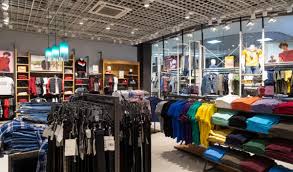
Anand, a mid-sized city in central Gujarat better known for its cooperative economy and education hubs, is emerging as a new frontier for organised fashion retail. The launch of two international denim-led apparel outlets in the city marks a broader shift underway in India’s consumption landscape, where Tier Two cities are increasingly shaping the next phase of urban retail growth.
The newly opened stores, located on one of Anand’s busiest commercial corridors, bring global casualwear brands into a market traditionally dominated by regional retailers and family-run outlets. Industry observers say this move reflects rising disposable incomes, greater brand awareness and changing lifestyle aspirations among younger households in non-metro cities. Retail analysts point out that Anand’s evolution mirrors a wider trend across Gujarat’s secondary cities, where improved road connectivity, compact urban form and steady migration from surrounding towns are strengthening local high streets. Unlike large metros, these cities offer lower real estate costs and more predictable footfall patterns, making them attractive for retailers seeking sustainable expansion rather than rapid scale. The two mono-brand outlets offer denim and casual apparel for both men and women and are designed around an integrated online offline retail model. This approach allows shoppers to browse in-store while accessing digital catalogues, inventory tracking and assisted ordering features increasingly expected by consumers even outside major urban centres. According to retail consultants, such hybrid formats are becoming essential as smaller cities leapfrog directly into tech-enabled consumption.
From an urban development perspective, the arrival of organised fashion retail also has implications beyond shopping. High-street activation tends to generate local employment, increase evening footfall and encourage complementary businesses such as cafés and personal services. Urban planners note that when managed well, this kind of commercial densification can strengthen walkable city centres and reduce pressure on peripheral malls and car-dependent retail clusters. Gujarat’s policy environment has also played a role. Stable power supply, simplified business approvals and improving last-mile logistics have reduced operational friction for retailers entering smaller cities. As a result, cities like Anand are no longer treated as experimental markets but as integral nodes in long-term expansion strategies. However, experts caution that sustained success will depend on how responsibly retail growth is managed. Store design, waste management practices and supply-chain efficiency will increasingly come under scrutiny as cities balance economic vibrancy with climate resilience. Consumers, particularly younger buyers, are also showing growing interest in durability and ethical sourcing, even in value-driven markets.
For Anand, the entry of international apparel brands signals a new phase in its urban story one where consumption, employment and public space intersect more visibly. As more organised retailers test the city’s potential, the challenge will be to ensure that growth remains inclusive, locally anchored and aligned with the city’s evolving social and environmental priorities.
Also Read: Bank of Baroda Backs Hyderabad Property Show 2026
Anand Retail Expansion Signals Tier Two Fashion Shift
