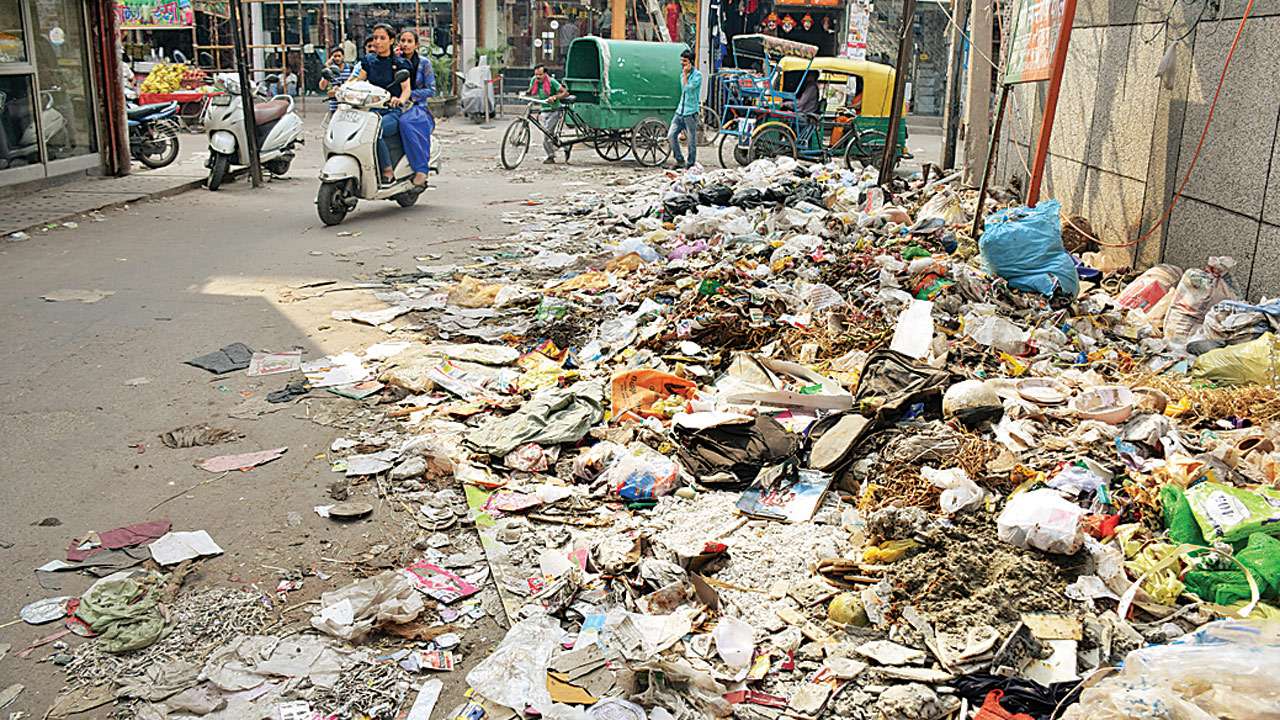
Amritsar Roads Clogged as Construction Waste Collection Plan Falls Apart
Despite the launch of a recycling plant for construction and demolition (C&D) waste in early 2024, heaps of debris continue to choke key city roads, raising concerns over the effectiveness of municipal enforcement. The city’s promise of cleaner public spaces lies unfulfilled as residents and commuters face growing hazards due to unattended piles of bricks, cement, and rubble. Civic officials had announced weekly debris pickups and penalties for violators, but the ground reality shows little change, undermining the goals of sustainable and liveable urban development.
Although the Amritsar Municipal Corporation had initially implemented strict measures to curb illegal dumping of construction debris, enforcement has slackened over time. The Jhabbal Road C&D waste plant—meant to turn collected material into reusable items like kerbstones—continues to operate, but roadside waste collection has significantly declined. Municipal officials had earlier mandated that building completion certificates be withheld from violators and that challans be issued for any construction material left in public spaces. However, this disciplinary approach now appears largely dormant, with enforcement practically missing across several key zones. According to local accounts, the lack of consistent monitoring has emboldened builders to leave rubble and waste outside their construction sites without consequence. Residents say that civic staff and tippers once collected waste every Saturday, but these operations have become rare.
The accumulated waste not only clogs vital arteries of the city but also poses safety risks for motorists and pedestrians, especially during rainy conditions. Many fear that without prompt action, the city’s push for environmental sustainability and improved urban hygiene will remain a distant goal. Even in areas where the plant was expected to bring about significant change, large volumes of building waste continue to obstruct daily life. Commuters navigating stretches like Mall Road and Lawrence Road report frequent traffic bottlenecks caused by illegally dumped materials. The sight of broken tiles, cement blocks, and dust heaps has become common, eroding the visual appeal of neighbourhoods and causing growing frustration among city dwellers. This situation raises urgent questions about the operational will and resources of civic authorities to deliver on their own waste management promises.
Urban planners and sustainability advocates highlight the urgent need for a systematic overhaul of C&D waste regulation in Amritsar. While recycling infrastructure is in place, weak institutional enforcement and lack of public accountability have rendered the effort ineffective. Ensuring weekly debris collection, issuing fines, and adopting digital reporting mechanisms for violations could revive the programme’s intent. Without a proactive municipal approach, Amritsar risks not only civic disorder but also the reversal of its eco-friendly urban goals.