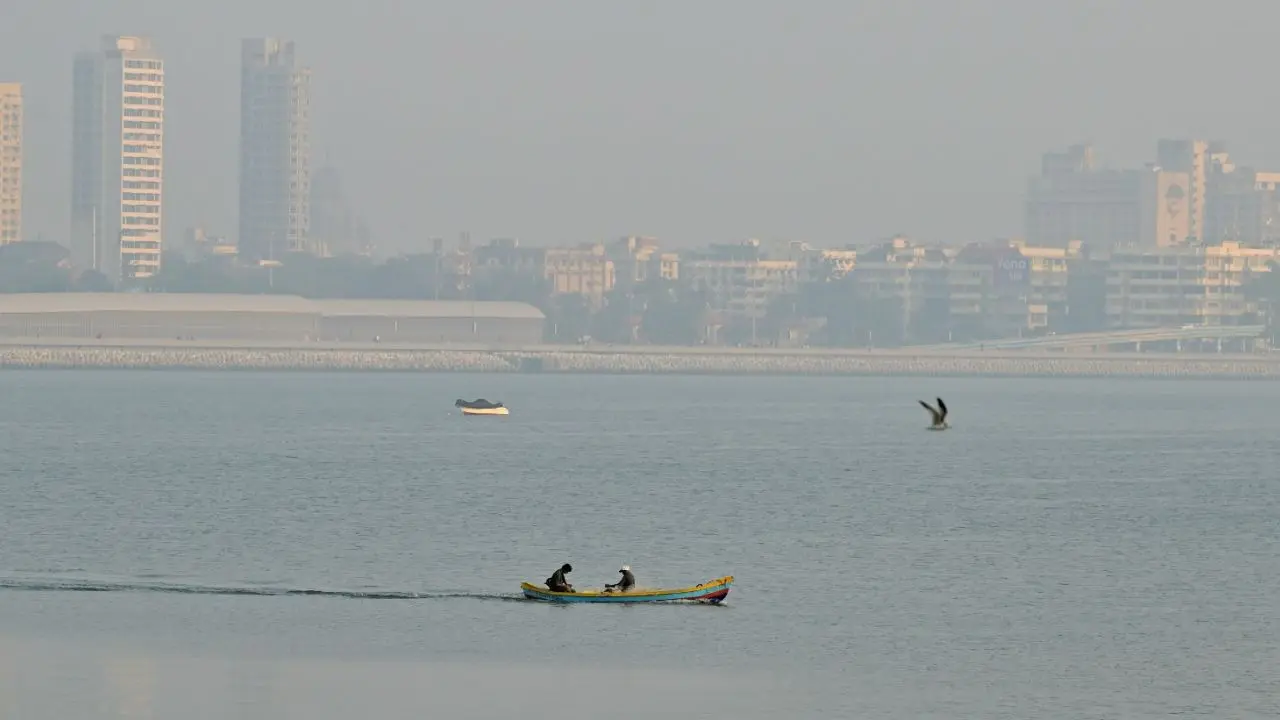
After touching an early-summer high earlier this week, temperatures in Amravati have dropped sharply following a spell of cloud cover and regional weather disturbances, signalling an unusually cooler February compared to last year. The fluctuation highlights increasing climate variability across Vidarbha and its implications for public health and local agriculture.
Data from the regional meteorological observatory indicate that daytime temperatures, which had climbed to 35.2°C on February 23, retreated by nearly three degrees within 24 hours. Just two days earlier, the maximum temperature had hovered around 32°C before rising abruptly.Meteorologists attribute the change to atmospheric instability across Vidarbha and neighbouring Marathwada. Over the past three days, parts of eastern Maharashtra, including Nagpur, Chandrapur and Yavatmal, witnessed unseasonal rain and isolated hailstorms. Similar conditions were reported across several districts in Marathwada, pointing to a broader weather system influencing the region.
Experts suggest that cloud formation and moisture incursion temporarily suppressed daytime heating in Amravati. However, forecasts indicate that intermittent rainfall or further variability may persist over the next one to two days.Residents are experiencing contrasting conditions within a single day — warm afternoons requiring cooling appliances, followed by cooler nights prompting the use of blankets. Such sharp diurnal variation, doctors warn, can aggravate respiratory infections, seasonal flu and other temperature-sensitive illnesses.Healthcare practitioners in the district have advised citizens, particularly children and the elderly, to take precautions against sudden weather shifts. Maintaining hydration during warm hours and avoiding exposure to cold night air are among the key recommendations.
Beyond immediate discomfort, climate analysts say these fluctuations reflect a broader pattern of erratic transitional seasons. February, traditionally considered a stable late-winter month in Vidarbha, is increasingly marked by abrupt heat spikes and unexpected rainfall events. This unpredictability complicates crop planning, especially for farmers preparing for pre-summer harvesting cycles.Urban planners also note that such variability underscores the importance of climate-responsive infrastructure. Cities like Amravati, where built-up areas are expanding, face intensified heat during clear-sky periods due to the urban heat island effect. Conversely, sudden rainfall can strain drainage systems if preparedness is inadequate.
While this year’s February is currently trending cooler compared to the same period last year, experts caution that short-term dips do not offset long-term warming trends. Instead, they signal increasing volatility in regional weather behaviour.For now, residents are navigating a week of atmospheric swings. Meteorological officials continue to monitor developments, advising vigilance as Vidarbha transitions toward the pre-summer season — a period that is arriving earlier and behaving less predictably with each passing year.