


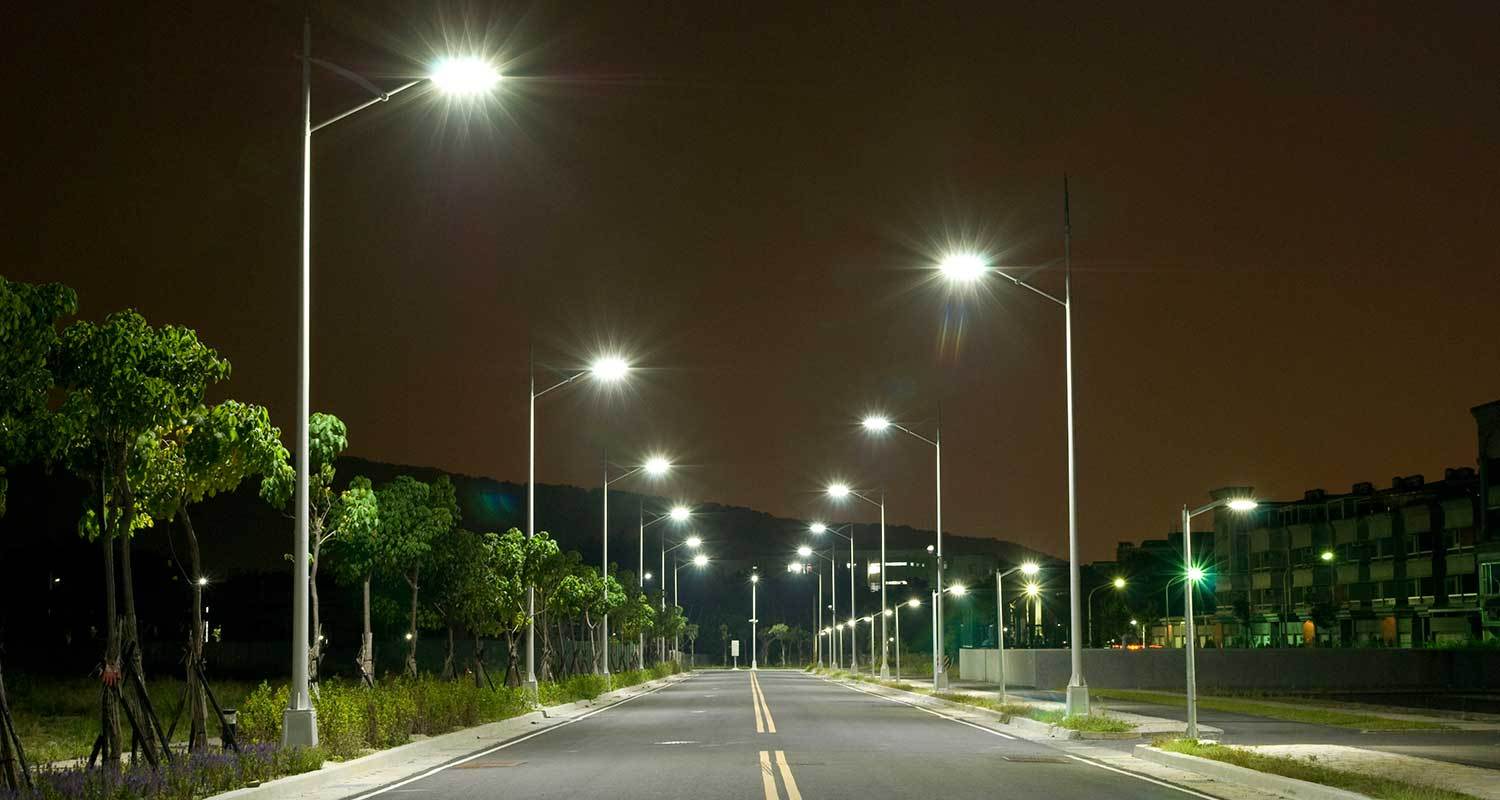
The Ahmedabad Municipal Corporation (AMC) has announced its decision to replace fully functional streetlights with new decorative ones, at an estimated cost of Rs 3.16 crore. This initiative aims to maintain “uniformity in design” along the stretch between Akhbarnagar and Prabodh Raval Bridge on the 132-Foot Ring Road in Vadaj.
The proposal, set to be presented before the AMC standing committee on Thursday, outlines the installation of new decorative street lights to match those on the recently opened 30-meter-wide road between the Ranip bus terminus and Gandhi Ashram. According to the AMC, the current streetlights on 132-Foot Ring Road do not complement the aesthetic of the new lights, necessitating this substantial expenditure.
An AMC street light department official, speaking on condition of anonymity, stated, “As the new lights do not match those on 132-Foot Ring Road, the new decorative lights will be installed here to maintain uniformity in design.” This reasoning, however, has attracted criticism from various quarters, including civic activists and residents.
Critics argue that uniformity cannot be realistically achieved, given that there are ten other roads connecting to this stretch of the ring road, each with differing streetlight designs. For instance, the RTO Circle and the new bridge parallel to Chimanbhai Bridge, which connects to Prabodh Rawal Bridge, will retain the old streetlight designs, further complicating any efforts towards a uniform aesthetic.
In the past decade, the AMC has transitioned approximately 1.3 lakh streetlights to energy-efficient LED lights, with around 50,000 new LED lights installed, bringing the city’s total to 2 lakh LED streetlights. Despite these advancements, frequent design changes and defunct lights on various roads have led to numerous citizen complaints.
Given the pressing need for better maintenance of existing infrastructure, many believe that the Rs 3.16 crore could be more judiciously spent. Sources within the AMC suggest that prioritising maintenance over cosmetic upgrades would better serve the public interest, especially given the ongoing issues with malfunctioning streetlights.
This development underscores a broader debate on municipal spending priorities, with calls for greater transparency and accountability in public expenditure. As the standing committee prepares to review the proposal, it remains to be seen whether aesthetic considerations will continue to outweigh practical and fiscal prudence in the city’s infrastructure planning.
