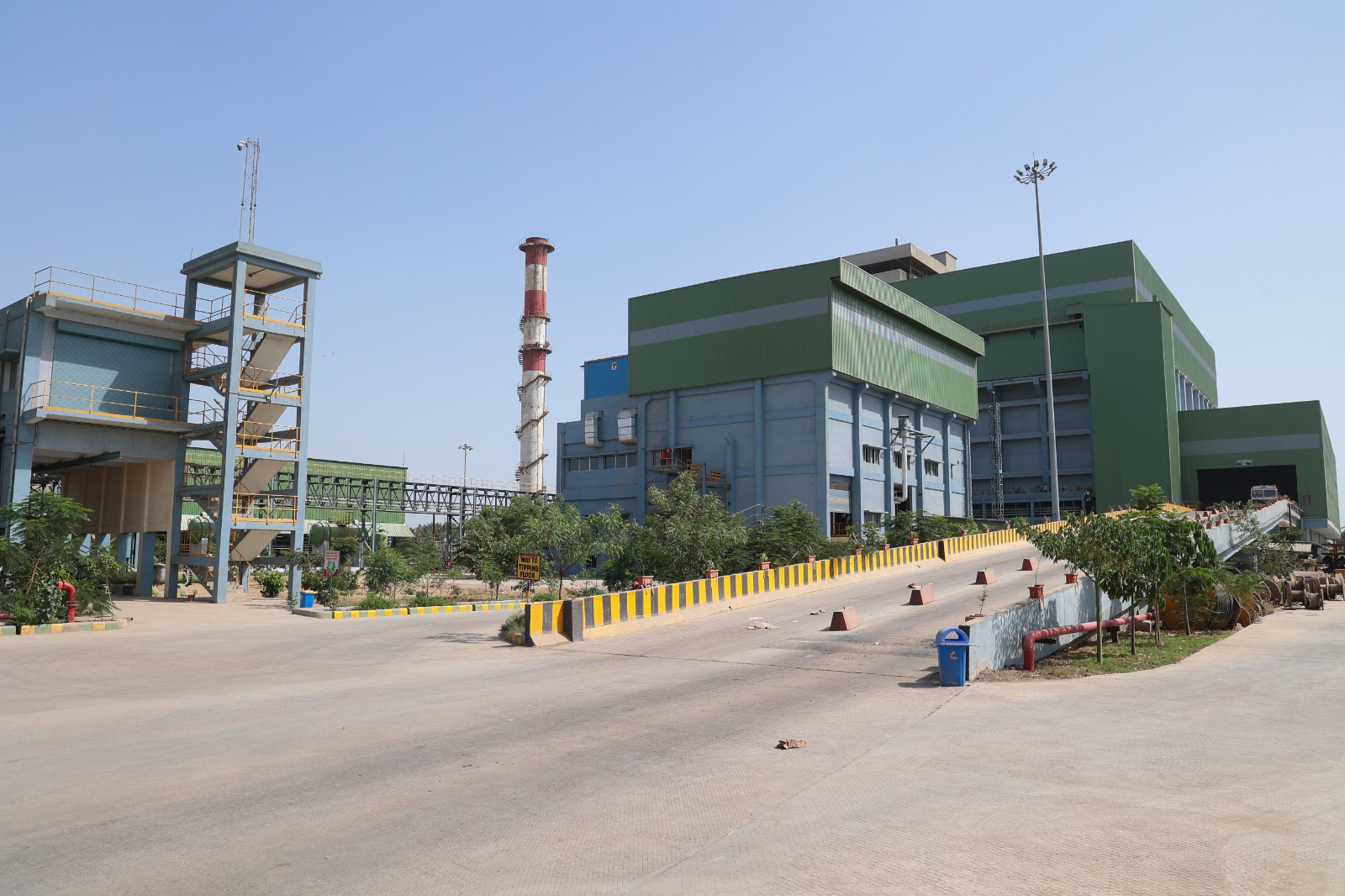
Ahmedabad is increasingly leveraging technology-driven solutions to enhance urban sustainability as the city prepares for the 2030 Commonwealth Games. A cornerstone of this effort is the Ahmedabad Municipal Corporation’s (AMC) Waste-to-Energy (WtE) plant, which has emerged as a key contributor to reducing municipal waste while generating clean energy for civic use.
Commissioned in October 2024 and operated by a dedicated urban waste management company, the facility has processed approximately 2.96 lakh tonnes of solid waste in its first 15 months of operation. By converting municipal refuse into electricity, the plant has alleviated pressure on landfills and helped maintain cleaner urban environments, reflecting AMC’s broader commitment to green infrastructure. During this period, the plant has generated over 1,234 lakh units of electricity, channelled toward municipal consumption, including street lighting, public facilities, and other civic operations. Officials highlight that the initiative has yielded substantial environmental benefits, including the avoidance of 713 lakh kilograms of coal consumption and a reduction of nearly 1.93 lakh tonnes of carbon dioxide emissions. Methane emissions equivalent to 10,641 tonnes have also been averted, underscoring the climate resilience impact of integrated waste-to-energy solutions.
Beyond energy generation, the facility supports water conservation by reusing treated effluent from the city’s sewage treatment network. This practice has saved approximately 786 million litres of fresh water, aligning with AMC’s sustainable urban resource management objectives. Urban planners and environmental experts note that such circular approaches, which repurpose urban waste streams for energy and water, are critical for rapidly growing cities facing increasing resource pressures. With the 2030 Commonwealth Games on the horizon, Ahmedabad anticipates a surge in waste generation across sports venues, accommodation hubs, and public spaces. City authorities emphasise that the WtE plant will play a pivotal role in ensuring rapid, scientific, and scalable waste management. The facility’s operational model also demonstrates how municipal infrastructure can be designed to provide multiple benefits, from energy security to reduced emissions, while supporting citizen well-being.
Analysts suggest that AMC’s approach positions Ahmedabad as a “green, smart and sustainable sports city,” showcasing the potential of urban waste-to-energy projects to integrate climate-conscious urban planning with large-scale event readiness. As other Indian cities explore similar interventions, the Ahmedabad model may inform national strategies for sustainable urban infrastructure, energy efficiency, and climate resilience ahead of major global sporting events.
AMC Converts Garbage into Electricity Through Plant