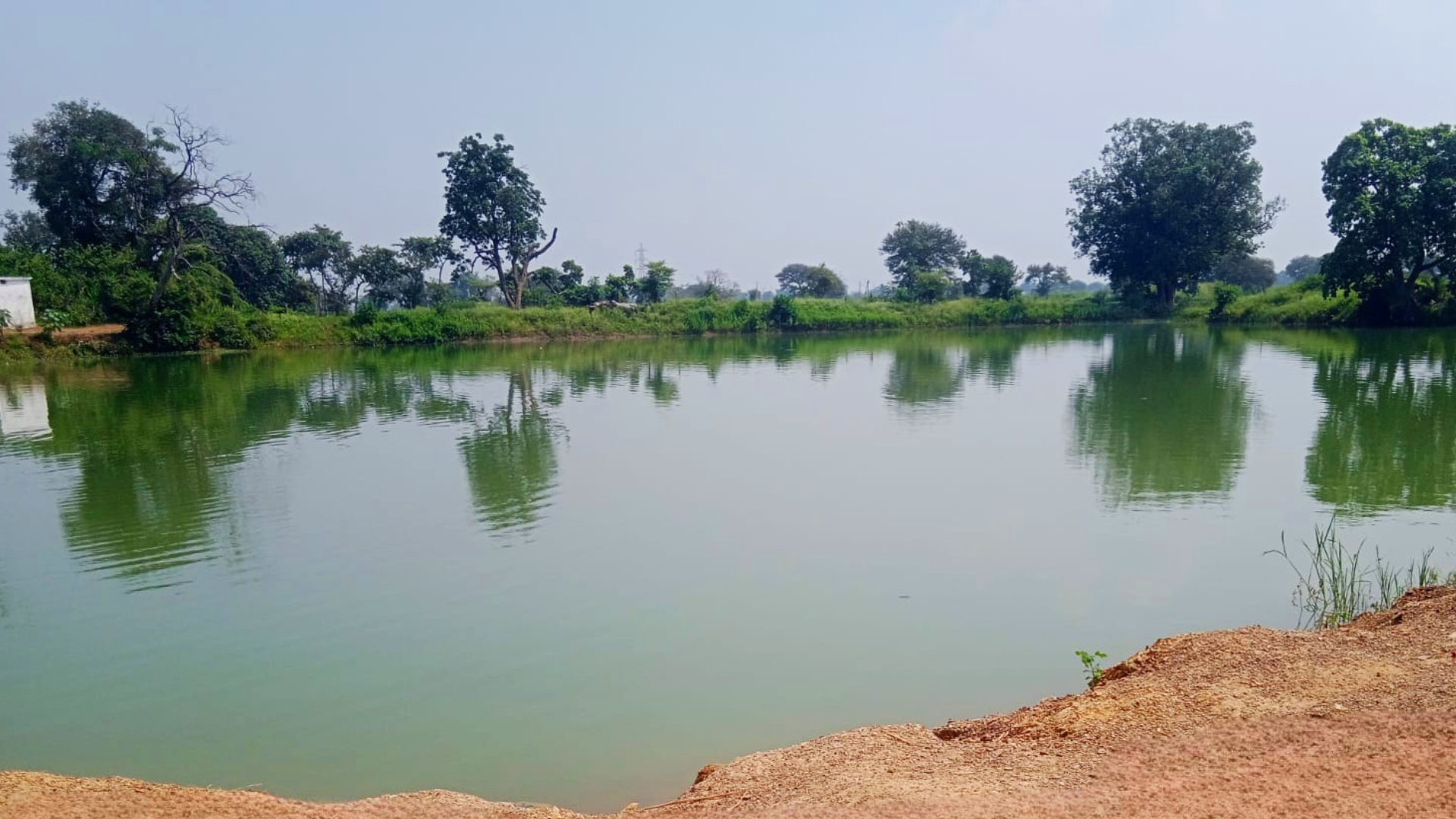
Ambuja Cements’ Bhatapara plant has embarked on a strategic initiative to deepen and rejuvenate community ponds in Maldi village, securing water access for the village and seven surrounding settlements. This move reflects a broader shift among industrial players towards integrating sustainable water management into their rural engagement strategies.
Villages in the Baloda Bazaar–Bhatapara region face chronic seasonal water shortages, with shallow ponds drying up during peak summer months. Residents and farmers rely heavily on monsoon rainfall and existing water bodies, which are increasingly insufficient for growing population and agricultural demands. Periodic dredging by local authorities has proven only a temporary fix, underscoring the need for durable interventions. Ambuja’s approach involves reshaping the ponds’ bottoms and sides to maximise storage capacity, enhance monsoon runoff capture, and reduce evaporation. This ensures water remains available throughout extended dry periods, directly supporting agricultural productivity and household needs. The Bhatapara project follows a successful model implemented in Magarway village, where similar pond rejuvenation enabled water retention for six to eight months.
An official from Ambuja Cements explained that local governance structures were actively involved in planning and execution. “Community consultation was essential to ensure that the intervention addresses both environmental and socio-economic needs,” they said. The participatory model not only improves resource management but also strengthens trust between the company and local residents. Beyond immediate water security, the initiative supports Ambuja’s operational sustainability. Reliable water sources mitigate community conflict and reduce potential disruptions to industrial operations. Enhanced groundwater recharge from deepened ponds benefits both local populations and the plant’s water requirements. Industry experts note that in water-stressed regions, companies adopting such strategies improve regulatory compliance and long-term business resilience.
The Maldi project is part of Ambuja Cements’ broader corporate water stewardship programme, extending sustainable practices across its plants nationwide. This model, which includes watershed management, eco-friendly infrastructure, and community engagement, provides a scalable template for other industrial units facing similar challenges. By aligning industrial growth with rural water security, Ambuja demonstrates that business operations can contribute meaningfully to regional sustainability. The initiative highlights the growing recognition that resource-intensive sectors must integrate ecological and social responsibility into core strategy. With water scarcity projected to intensify under climate pressures, community-centred interventions like Bhatapara’s pond rejuvenation are emerging as essential for both local resilience and corporate viability.
Ambuja Cements Bhatapara Rejuvenates Village Ponds Enhancing Rural Water Security Access