


Andhra Pradesh has embarked on a significant economic transformation, with the state cabinet recently approving investment proposals valued at an impressive ₹80,000 crore. This substantial financial commitment includes the green light for crucial metro rail projects in Vizag and Vijayawada, signalling a strategic pivot towards modern infrastructure and sustainable urbanisation. These initiatives are projected to generate approximately 1.5 lakh jobs, positioning Andhra Pradesh as an attractive destination for investors while fostering a more equitable and eco-friendly urban landscape.
The comprehensive investment push is designed to catalyse growth across various sectors, with a strong emphasis on developing an advanced electronic components manufacturing ecosystem. The approval of the Andhra Pradesh Electronic Components Manufacturing Policy 4.0 is a testament to the state’s ambition to become a hub for high-tech industries. Such development, when coupled with sustainable practices, can lead to the creation of zero net carbon industrial zones, attracting responsible businesses and skilled labour, thereby ensuring long-term economic viability without compromising environmental integrity.
Further bolstering its digital infrastructure, the cabinet has allocated significant land parcels for data centres in Vizag, with a substantial investment aimed at establishing the port city as a key data hub. This strategic move is poised to attract technology-based firms, enhancing the state’s capabilities in cloud computing, data storage, and digital services. The development of a robust digital backbone is crucial for smart city initiatives, enabling efficient resource management and fostering a gender-neutral environment through improved access to information and services.
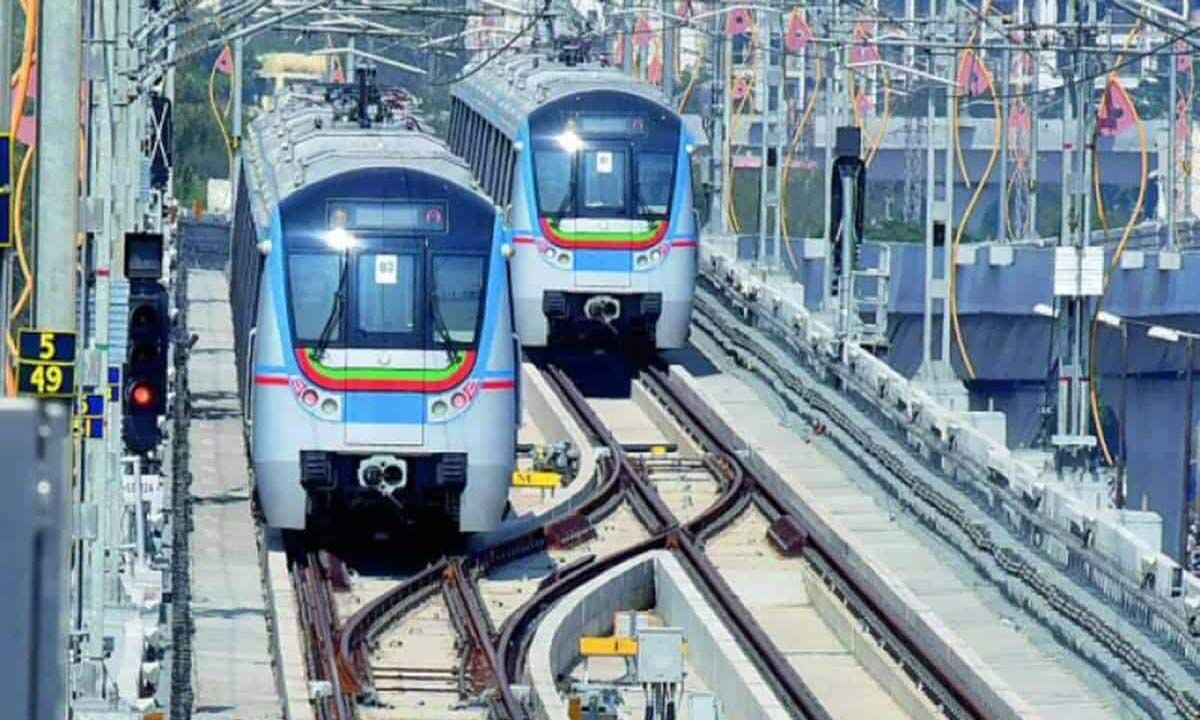
Crucially, the approval of metro rail projects in Vizag (estimated at ₹11,498 crore) and Vijayawada (estimated at ₹10,118 crore) marks a significant leap towards sustainable urban mobility. These projects, to be executed under a 50:50 government joint venture model, will reduce reliance on private vehicles, thereby lowering carbon emissions and alleviating traffic congestion. Investing in mass transit systems is a cornerstone of creating equitable cities, providing affordable and efficient transportation options for all residents, irrespective of their socio-economic standing.
Beyond these flagship projects, the cabinet also ratified key activities under the Andhra Pradesh Mineral Development Corporation’s bond issuance and approved an 800 MW pumped storage power project, signalling a commitment to energy security and sustainable resource management. Furthermore, the acceptance of the Green Hydrogen Valley Declaration underscores the state’s forward-thinking approach to clean energy. These multifaceted investments collectively paint a picture of Andhra Pradesh striving for a future where economic prosperity is intrinsically linked with environmental stewardship and social equity, setting a precedent for sustainable urban development in India.
Also Read :Pune Zilla Parishad Plans to Convert Junnar and Baramati Wadas into Heritage Homestays
