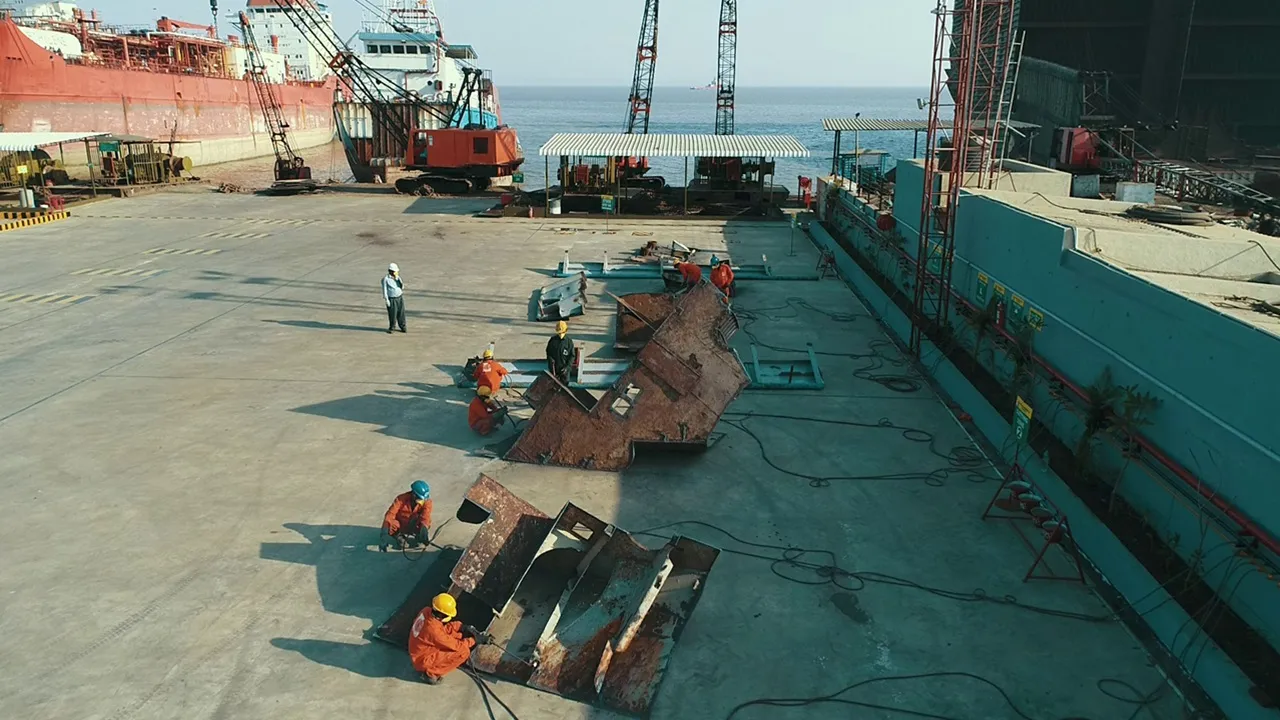
Alang Begins Green Ship Recycling Era Under Hong Kong Convention Rules
India has officially commenced implementation of the Hong Kong Convention (HKC) for ship recycling, with Alang — the country’s largest shipbreaking hub — leading the transformation. Just days after the international treaty came into force globally, over 115 yards in Alang have been declared HKC-compliant. This move signals a shift from volume-based dismantling to environmentally responsible, worker-safe, and globally aligned ship recycling standards that could redefine India’s role in the circular maritime economy.
Alang’s entry into the HKC regime marks a watershed moment for India’s ship recycling sector, which currently accounts for over 30% of global dismantling. Industry experts highlight that with HKC compliance now enforced, Indian yards can attract higher-value vessels for dismantling, thanks to strict adherence to worker safety, waste management, and environmental norms. Senior authorities at the launch event in Bhavnagar laid out an ambitious roadmap, with targets for 100% HKC compliance, digital certification systems, and enhanced training modules. A robust legal and regulatory framework is being put into place, ensuring greater transparency and accountability across all yards. Presentations from ship recycling associations and classification societies such as IRS, LR, and NKK outlined material recovery protocols, inspection tools, and monitoring methods now embedded into daily yard operations. As Alang shifts its focus from volume to value, it aims to emerge not just as the largest, but also the greenest ship recycling hub globally.
The adoption of HKC norms also promises substantial environmental gains, especially through reduced emissions associated with steel recovery. Stakeholders across the maritime and environmental sectors are now collaborating on a phased digitalisation of inspection and audit systems, enabling real-time monitoring and swift certification. Authorities have also committed to aggressive outreach, awareness drives, and ecosystem-wide enforcement to ensure compliance at every level. Strategic goals include minimising hazards during dismantling, ensuring safe waste segregation, and making India a trusted destination for green recycling. The momentum at Alang is being seen as a potential model for other global shipbreaking centres. In addition, policy experts are urging closer alignment of HKC principles with India’s national climate targets, pointing out how cleaner recycling processes can feed into circular economy goals. With continued institutional support, Alang is expected to anchor India’s long-term ambition of becoming the global hub for ethical, eco-friendly ship recycling.
Alang’s swift adoption of the Hong Kong Convention marks a critical turning point for India’s ship recycling future. Beyond compliance, it reflects a broader commitment to sustainable industrial practices, worker welfare, and environmental stewardship. Authorities are now pushing for 100% alignment, with digital inspections and greater accountability mechanisms at the core. As the maritime industry transitions to greener practices, India’s positioning as a global leader in ethical shipbreaking could bring long-term benefits — from reduced emissions to enhanced international trust. The Alang model may soon define how the world dismantles ships — safely, responsibly, and sustainably.