


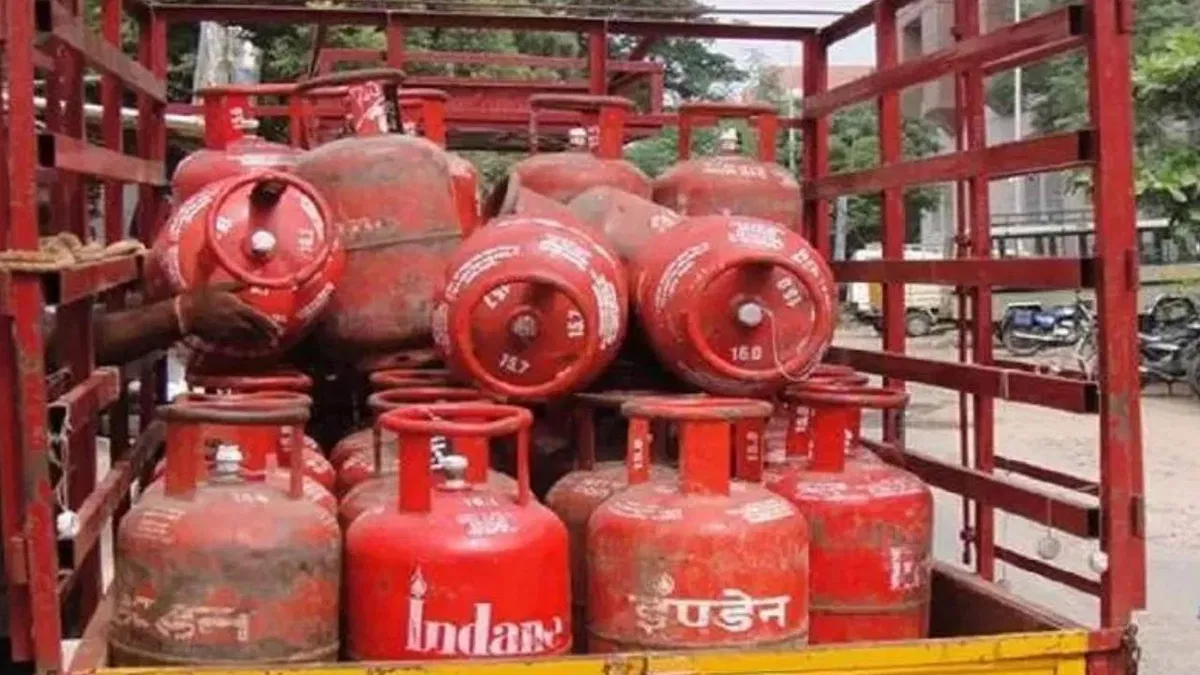
A powerful Akot LPG cylinder explosion in a residential neighbourhood of Akola district has renewed concerns about household energy safety in rapidly expanding towns across central India. The blast occurred at the home of a catering professional where multiple gas cylinders were reportedly stored, triggering a fire and structural damage that alarmed residents in the surrounding locality. Emergency services were alerted after neighbours heard a loud explosion followed by flames spreading inside the property. Firefighters and local police teams responded quickly to contain the blaze and prevent it from spreading to nearby homes in the densely built neighbourhood. Authorities said the explosion caused significant damage inside the house and led to injuries among occupants present at the time.
Preliminary investigations suggest that the Akot LPG cylinder explosion may have been triggered by a gas leak before ignition. Officials examining the site indicated that several cylinders were kept inside the residence due to the occupant’s catering operations, increasing the intensity of the blast once the gas ignited. Safety experts note that LPG remains one of the most widely used cooking fuels across Indian households and small businesses, including catering services that often store multiple cylinders for commercial use. However, improper storage, ageing valves, or leaks in regulators can create hazardous conditions, particularly in residential environments not designed for commercial-scale fuel storage. Urban planners and fire safety professionals say such incidents reveal a broader challenge facing fast-growing towns. As home-based enterprises expand within residential areas, the line between domestic and commercial activity becomes blurred. When businesses such as catering, food preparation, or small manufacturing operate from homes, fuel storage and fire risk can increase dramatically without corresponding upgrades in safety infrastructure. The Akot LPG cylinder explosion has therefore raised questions about how municipal authorities regulate the storage of combustible materials in residential zones. While licensing frameworks exist for commercial LPG use, enforcement often becomes difficult when operations are run informally from private homes.
Local administrators have begun reviewing safety compliance in the area and assessing whether storage norms were followed. Officials indicated that inspections of nearby establishments handling LPG cylinders may be conducted to ensure adherence to safety guidelines. Urban resilience specialists argue that cities and towns must adapt regulatory frameworks as economic activity increasingly shifts into mixed-use neighbourhoods. Clearer guidelines on safe cylinder storage, ventilation requirements, and fire preparedness could help reduce risks for both residents and workers. For communities living in tightly packed urban housing, the incident underscores the importance of awareness around gas handling practices and emergency response readiness. As authorities complete their investigation into the Akot LPG cylinder explosion, the focus is likely to shift toward strengthening safety checks and ensuring that urban households using LPG for commercial activity operate within secure and regulated conditions.
ALSO READ – Indore Property Guideline Value Revision May Raise Rates
Akot LPG Cylinder Explosion Sparks Housing Safety Debate
