Aizawl to Get Direct Rail Link to Kolkata, Boosting Trade and Tourism
Aizawl is on the cusp of a profound transformation as the city is set to gain direct rail connectivity with the rest of the country. This new railway link, an engineering feat spanning a challenging mountainous terrain, is not just a transport milestone but a pivotal step towards a more sustainable and equitable future for the entire region. The project is poised to drastically reduce reliance on carbon-intensive road freight, foster economic inclusivity, and unlock a new era of eco-friendly progress for Mizoram and its citizens.
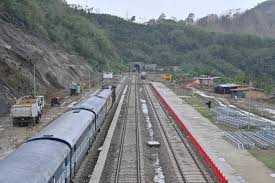
The Bairabi-Sairang railway line, a long-term strategic project, represents a monumental effort to bridge the geographical isolation of the North-eastern state. The completion of this 51.38-kilometre stretch, which includes 48 tunnels and over 140 bridges, has brought the state capital onto India’s national railway network. This monumental achievement is more than just a logistical solution; it is a critical component of a broader vision for regional development under the government’s Act East Policy. By providing a direct and efficient transport corridor, the rail line is set to become a catalyst for economic growth and social integration.
The environmental implications of this new artery are particularly significant. As a low-carbon mode of transport, the railway will significantly reduce the carbon footprint associated with road freight, which has long been the primary means of moving goods in the region. This shift aligns with the national agenda of achieving net-zero carbon emissions. In a testament to sustainable engineering, the project has incorporated modern, green technologies, including solar-powered systems and LED lighting for its many tunnels. These innovations not only reduce energy consumption but also set a new benchmark for eco-friendly infrastructure development in India’s challenging geographical landscapes.
The railway’s impact on social equity is equally compelling. The new connectivity is anticipated to lower the cost of essential commodities by providing a more economical and reliable alternative to road transport. This will directly benefit the daily lives of residents, particularly those in lower-income brackets. Furthermore, it will create new opportunities for local farmers and artisans to access wider markets, helping to reduce economic disparities and promote inclusive growth. By linking remote communities to larger economic centres, the rail line offers a tangible pathway to improved access to healthcare, education, and employment opportunities, empowering citizens and fostering a more balanced and equitable society.
While the project’s engineering marvels have captured the public’s imagination, its true legacy lies in its potential to transform lives and reshape the region’s economic and environmental destiny. It serves as a powerful reminder that sustainable development and economic progress are not mutually exclusive. The new rail line is a harbinger of change, offering a compelling narrative of human ingenuity and a commitment to building a future that is resilient, inclusive, and in harmony with nature. It is a symbol of a forward-thinking nation, investing in infrastructure that serves both the economy and the planet.