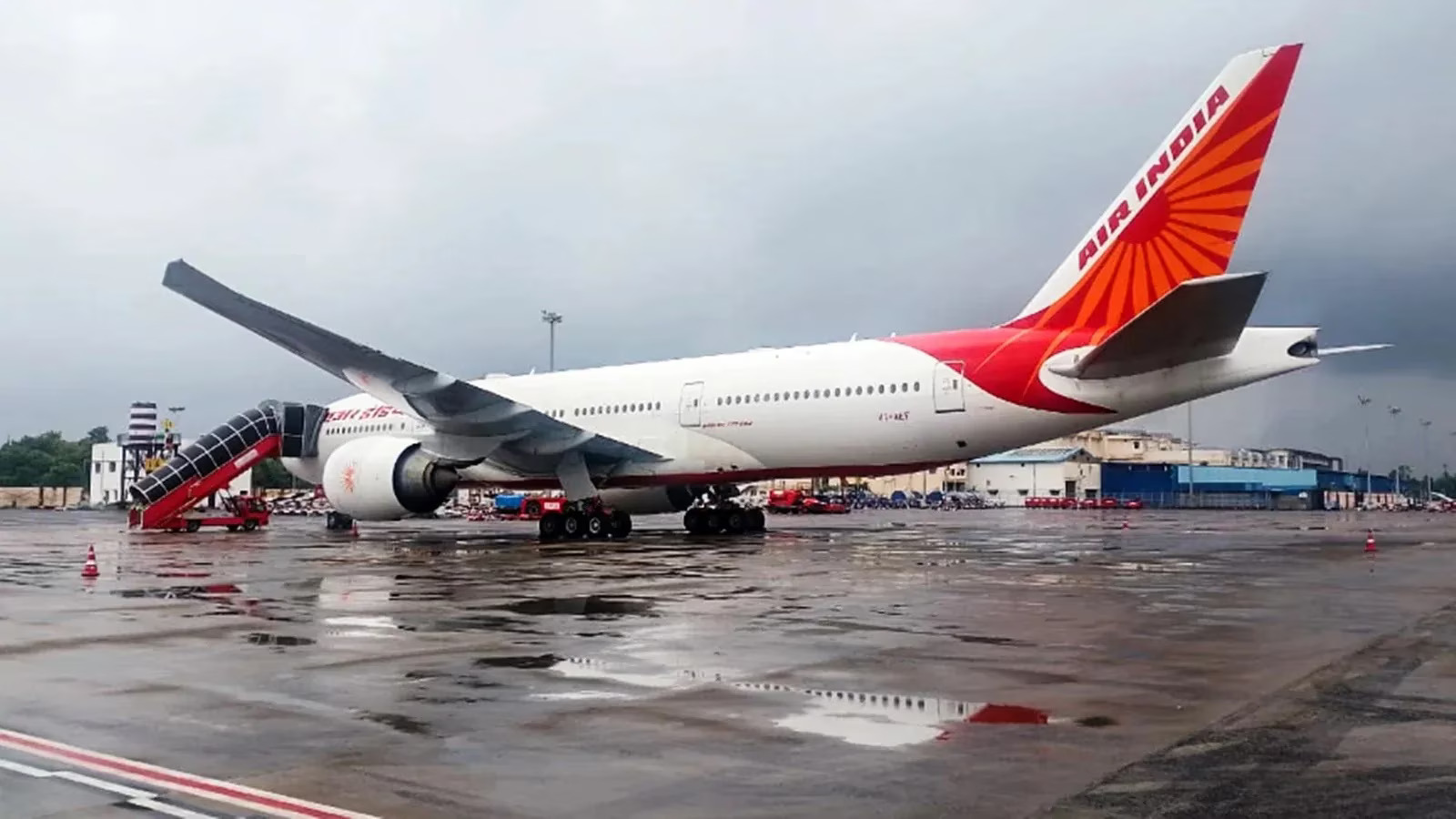
Air India to suspend Delhi-Washington flights from September 1
Delhi’s aviation sector is feeling the ripple effect of Air India’s ambitious fleet upgrade programme, as the carrier announced the temporary suspension of its non-stop flights to Washington, D.C. from September 1. This strategic move is a direct consequence of a planned reduction in aircraft availability, stemming from a massive retrofit initiative for its Boeing 787-8 fleet. The airline is prioritising a long-term vision of enhancing the passenger experience, a critical component of its post-privatisation transformation. This decision, however, highlights the complex operational and environmental challenges that airlines face when balancing modernisation with service continuity.
The core of the issue lies in the extensive retrofit programme, which has taken 26 of the airline’s wide-body Boeing 787-8 aircraft out of service in phases until at least late 2026. This multi-million-dollar investment is intended to completely overhaul the on-board experience with new seats, advanced in-flight entertainment systems, and revamped cabins. While a vital step towards aligning the airline with global standards and improving customer satisfaction, it has created a significant strain on the available fleet. The temporary scarcity of wide-body aircraft has compelled the airline to make tough choices about its long-haul network to maintain overall reliability.
Compounding this challenge is the sustained closure of Pakistani airspace, a geopolitical reality that has forced Indian carriers to reroute many long-haul flights. These detours result in significantly longer flight durations and increased fuel consumption, adding to operational complexity and costs. In a world increasingly focused on sustainability and zero net carbon initiatives, these extended flight paths are a stark reminder of how regional conflicts can have a tangible environmental and economic impact on a global scale. The airline’s decision to suspend a route rather than operate it inefficiently reflects a strategic effort to manage resources and minimise the environmental footprint of its long-haul network during this transitional period.
For passengers, the suspension is a disruption but not a dead end. Air India officials have confirmed that all affected passengers with bookings after September 1 will be contacted directly. They will be given the option of a full refund or rebooking on alternative flights. The airline has also outlined a plan to offer one-stop connections to Washington, D.C. through its partner airlines via other major U.S. hubs, ensuring continuity for those with essential travel needs. While the suspension is temporary, it serves as a powerful illustration of the logistical tightrope that a major international carrier must walk, navigating fleet modernisations, operational constraints, and geopolitical hurdles all while serving the travelling public.