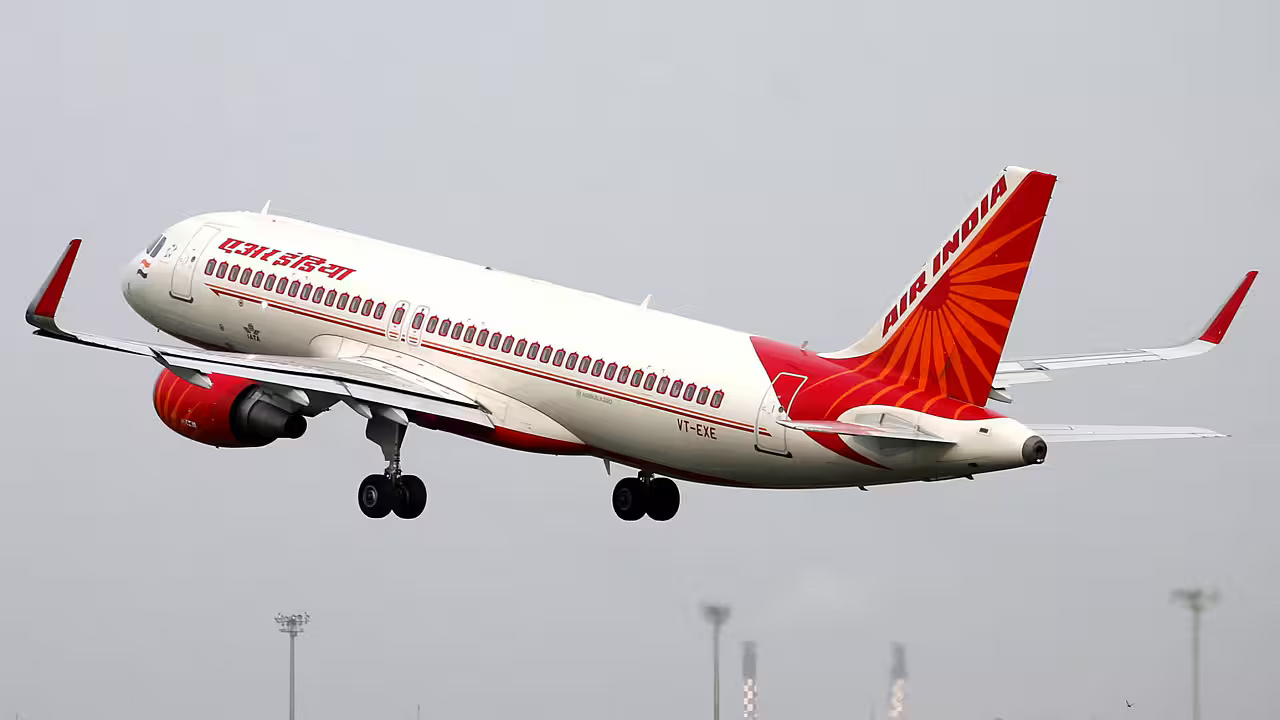
India is set to restore a major international air link with the announcement that direct services between Delhi and Shanghai will resume in February 2026, marking a significant step in rebuilding post-pandemic global connectivity. The move, cleared by national authorities, reopens a route that has been inactive for nearly six years and is expected to enhance mobility between two major Asian economic centres.
According to officials, the Ministry of External Affairs recently approved the reactivation of flight operations between the two countries, allowing Indian carriers to resume scheduled services. The development follows a gradual revival of bilateral aviation links, with private carriers already operating services connecting Indian cities to Guangzhou and Shanghai. Industry experts say the renewed access to mainland China reflects a broader effort to stabilise regional economic engagements, particularly in trade-led sectors. Air India plans to operate four weekly flights on the Delhi–Shanghai corridor from 1 February 2026. The service will use twin-aisle aircraft configured for both business and economy passengers, offering a non-stop option that significantly reduces travel time for business travellers, students, healthcare visitors, and cargo-linked operators. The airline also intends to reintroduce a Mumbai–Shanghai service later in 2026, signalling a phased scale-up aligned with international traffic demand.
A senior aviation sector official noted that the reopening of these routes would support India’s global competitiveness. “Direct flights between major metropolitan regions ease the movement of people, knowledge, and investment,” the official said, adding that improved air links also contribute to sustainable urban development when paired with efficient public transport networks that reduce last-mile emissions. The new route is expected to strengthen economic ties, particularly in technology, pharmaceuticals, and manufacturing trade. Analysts highlight that both countries host some of the world’s busiest urban corridors, and restoring connectivity can help cities build more inclusive and globally integrated economic ecosystems. Direct long-haul operations also encourage airlines to adopt newer, more fuel-efficient aircraft, supporting long-term decarbonisation targets for the aviation industry.
The proposed schedule includes midday departures from Delhi and late-evening returns from Shanghai, providing convenient onward connections. Government officials emphasise that traveller safety, operational efficiency, and compliance with international norms will remain priorities as the sector expands. While aviation remains a carbon-intensive industry, experts argue that restoring direct routes can reduce overall emissions by avoiding multi-stop itineraries. Urban mobility researchers also underline the need for airports in India’s major cities to incorporate low-carbon ground transport links as part of their broader sustainability transition.
As international connectivity continues to recover, the resumption of the Delhi–Shanghai route positions Indian cities to engage more deeply with global markets, reinforcing the role of efficient, sustainable travel infrastructure in shaping equitable urban futures.
Air India Restarts Delhi–China Flights In February 2026, Mumbai–Shanghai Services Later