


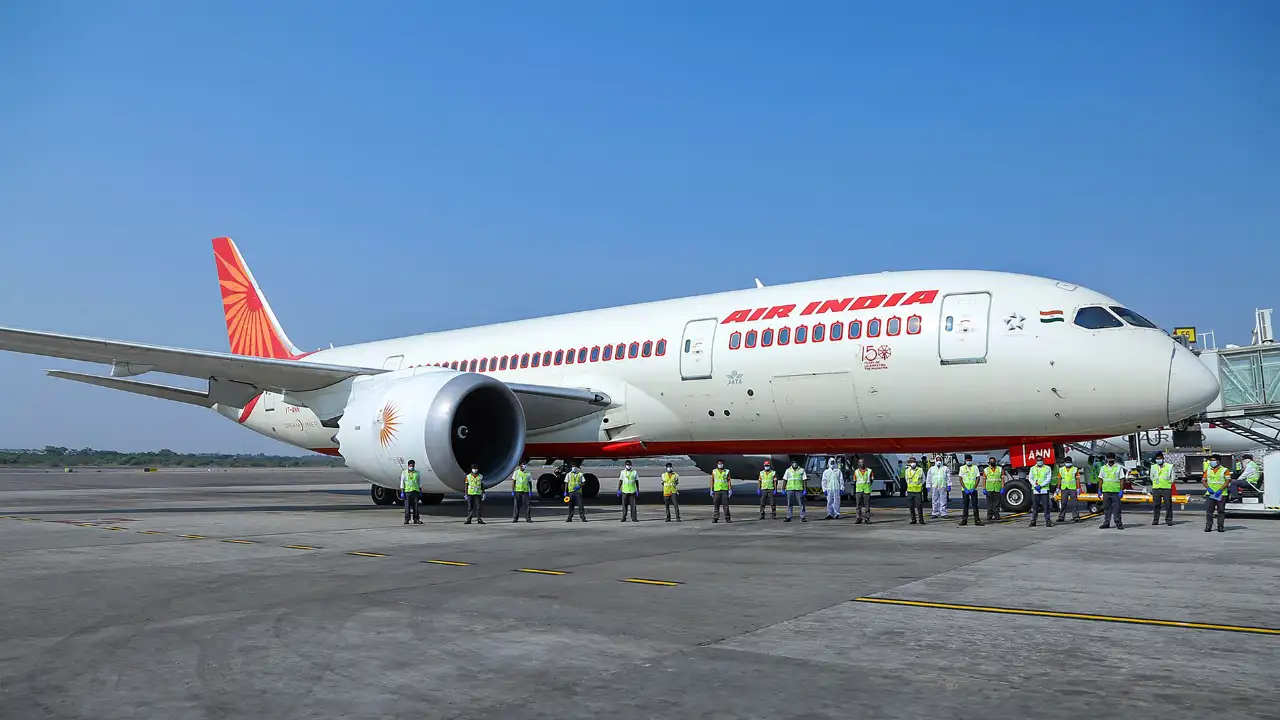
A Delhi–Indore flight made an emergency landing in the capital on Sunday morning after the cockpit crew received a fire indication in one of its engines, raising fresh questions about passenger safety and aircraft maintenance in India’s rapidly expanding aviation sector. The incident, though managed efficiently by the crew, underscores the growing need for tighter oversight as airlines push for higher operational efficiency.
According to airline officials, the Airbus A320 neo aircraft was airborne for over 30 minutes before the pilot opted to shut down the right engine following the fire alert. The aircraft returned safely to Delhi airport around 6.15 am with more than 90 passengers on board. Industry experts note that such alerts are rare but not unprecedented, particularly in fuel-efficient new-generation aircraft where safety protocols demand immediate precautionary action. The airline confirmed that the affected aircraft has been grounded for detailed technical inspection. Aviation engineers are expected to conduct a comprehensive analysis to determine whether the warning was triggered by an actual malfunction, a sensor error, or an isolated technical glitch. An official said, “The aircraft will undergo mandatory checks before being cleared for operations. Safety remains the top priority, and procedures were followed in line with international standards.”
The Directorate General of Civil Aviation (DGCA) has been apprised of the incident, and regulatory protocols require a thorough incident report. Aviation analysts believe that while the pilot’s decision reflected sound judgement, the episode highlights the importance of strengthening predictive maintenance systems in the Indian fleet, particularly as carriers increase utilisation of aircraft to meet demand. Passengers on board were evacuated calmly after the landing, and no injuries were reported. For many, the episode was a stark reminder of the fine balance between operational safety and commercial imperatives in an industry that is both highly regulated and under constant pressure to deliver cost-efficient services.
The emergency landing comes at a time when India’s aviation sector is experiencing a surge in passenger numbers, with carriers rapidly expanding networks and aircraft capacity. Experts stress that while such incidents are managed with professionalism, the larger question lies in ensuring that safety investments match the pace of growth. Industry observers argue that adopting advanced real-time monitoring systems, promoting eco-efficient aircraft maintenance, and aligning with global best practices can reduce risks while enhancing the safety and sustainability of air travel. As India aspires to become one of the world’s largest aviation markets, ensuring robust safety protocols will be as crucial as meeting the rising demand.
Also Read : NGT Orders DDA Clarification On Najafgarh Waterbody Encroachment Following Public Concerns
