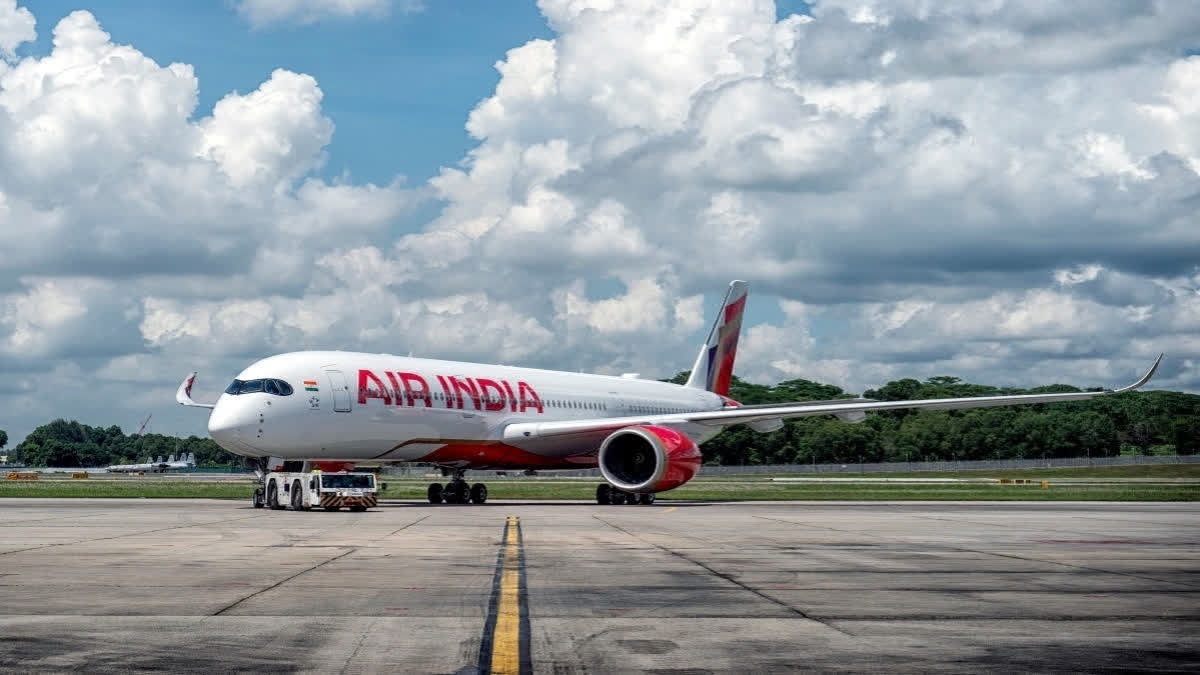
India’s national carrier has entered a decisive phase of organisational change as its owner begins the process of identifying new leadership for Air India, marking a strategic inflection point for aviation, tourism, and urban connectivity. The Air India CEO search comes as the current chief approaches the end of a fixed tenure, placing renewed focus on how airline leadership shapes mobility, economic access, and the performance of airport-linked urban systems.
The leadership transition is not limited to the full-service airline. The group’s low-cost subsidiary is also preparing for a change at the top later in the decade, signalling a coordinated reset across premium and budget segments. Aviation analysts say this timing reflects a shift from stabilisation to long-term optimisation following years of restructuring, fleet renewal, and network consolidation. For cities, airline leadership matters far beyond corporate governance. Air India remains a key anchor tenant at major airports such as Delhi and Mumbai, influencing international connectivity, slot utilisation, and hub competitiveness. Decisions taken by a new chief executive will shape route prioritisation, aircraft deployment, and partnerships with global carriers factors that determine how efficiently Indian cities connect to global markets.
Industry experts suggest the Air India CEO search is likely to favour candidates with experience in complex international networks and sustainability-led operations. As aviation faces mounting pressure to cut emissions, airline strategy is increasingly tied to fuel efficiency, fleet modernisation, and alignment with climate commitments made by airport operators and city governments. Leadership choices will therefore have downstream implications for India’s transition towards lower-carbon transport infrastructure.
Tourism and hospitality stakeholders are watching closely. Improved long-haul connectivity can influence visitor flows into heritage cities, coastal destinations, and emerging urban tourism clusters. At the domestic level, stronger alignment between full-service and low-cost operations could enhance multi-city travel, supporting regional economies that rely on aviation-led accessibility rather than rail or road alone. The budget airline arm plays a particularly important role in linking secondary cities to metro hubs. Urban planners note that affordable air connectivity has become an enabler of distributed growth, allowing smaller cities to attract investment, talent, and tourism without heavy industrial footprints. Leadership continuity and clarity will be critical to sustaining this role.
Since its return to private ownership, Air India has invested heavily in aircraft orders, digital systems, and service upgrades. However, operational reliability, schedule integrity, and network coherence remain key benchmarks against global peers. The Air India CEO search is therefore being viewed as an opportunity to embed governance structures that prioritise execution over expansion alone.As India’s airports scale capacity and cities compete for global relevance, airline leadership transitions carry civic significance. The next phase will test whether Air India can translate structural investment into consistent passenger outcomes while aligning with broader goals of resilient infrastructure, inclusive mobility, and sustainable urban growth.
Air India Leadership Change Reshapes Connectivity