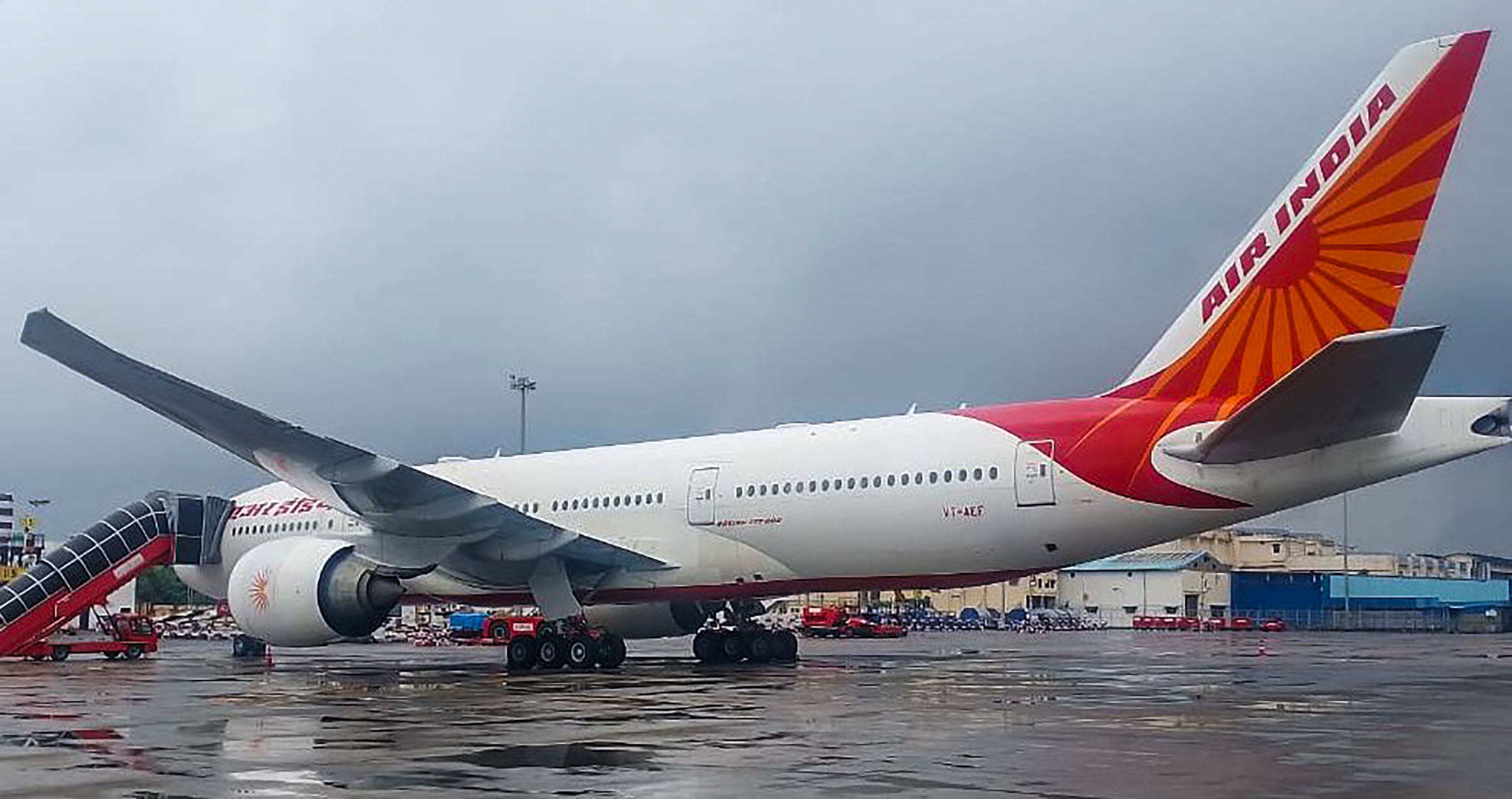
Air India Hong Kong flights power unit catches fire after landing at Delhi airport
An Air India flight, having completed its journey from Hong Kong, experienced an auxiliary power unit (APU) fire shortly after landing and docking at Delhi’s Indira Gandhi International Airport on Tuesday, July 22, 2025. While all passengers and crew disembarked safely, the incident has prompted immediate grounding of the aircraft for comprehensive investigation and has been duly reported to the aviation regulator, raising pertinent questions about operational integrity within the Indian aviation sector. This occurrence underscores the critical importance of stringent maintenance protocols and rapid emergency response systems to ensure passenger safety and uphold the industry’s commitment to reliability.
The fire, which occurred as passengers were beginning to disembark from Flight AI 315, was contained swiftly as the APU automatically shut down in accordance with the aircraft’s safety design. Although initial assessments indicate some damage to the aircraft, the primary focus remains on the well-being of those on board, who were successfully evacuated without injury. This incident, while resolved without casualties, serves as a vital reminder of the continuous need for vigilance and adherence to the highest operational standards in an industry pivotal to global connectivity and economic growth. The rapid and effective response by the ground crew and the automatic safety features of the aircraft prevented a potentially far more serious situation.
This episode comes at a time when the aviation industry is under heightened scrutiny regarding safety mechanisms, particularly in the wake of recent directives from India’s aviation regulator, the Directorate General of Civil Aviation (DGCA). Earlier this month, the DGCA mandated precautionary inspections on the fuel control switch (FCS) locking mechanisms across all Boeing 787 and Boeing 737 aircraft within the Indian fleet. Air India had already completed these checks, affirming no issues were identified within its aircraft. These proactive measures highlight a collective industry commitment to bolstering safety frameworks and mitigating potential risks across all operational facets, contributing to a more resilient and trustworthy air transport system.
The ongoing investigations into the Delhi incident will delve into the precise cause of the APU fire, examining technical specifications, maintenance records, and operational procedures. Such detailed probes are indispensable for identifying systemic vulnerabilities and implementing corrective actions that contribute to a safer aviation ecosystem. As urban centres like Delhi continue to expand, reliance on efficient and secure air travel becomes paramount. Ensuring that every flight operates within the strictest safety parameters is not merely a regulatory compliance; it is a fundamental pillar of public trust and integral to building sustainable, interconnected cities that prioritise the well-being of their inhabitants and the planet.
This event serves as a crucial case study for airlines and regulators worldwide, reinforcing the need for continuous technological advancements in aircraft safety systems and comprehensive training for ground and air personnel. The findings from this investigation will undoubtedly inform future policy decisions aimed at enhancing safety, reducing environmental impact, and fostering a more equitable and reliable air travel experience for all. Ultimately, robust safety protocols are fundamental to the vision of developing smart, eco-friendly urban environments where connectivity thrives responsibly and sustainably.