


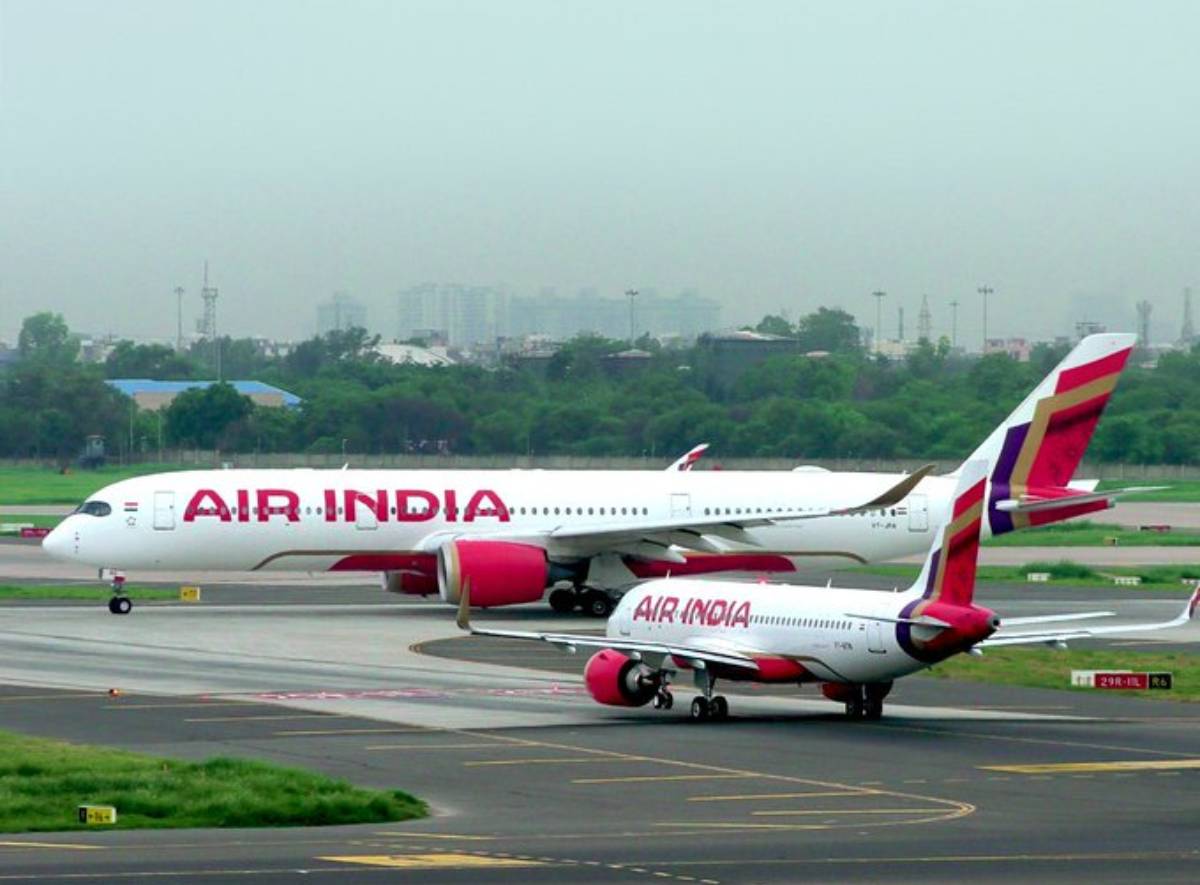
Air India’s Ahmedabad-London flight, AI 171, was cancelled on Thursday following a technical fault, leading to significant inconvenience for its 300 passengers. The flight, initially scheduled to depart at 1:30 pm, was set to depart from Ahmedabad’s international terminal, where passengers had arrived by 10 am in anticipation of the flight. Initially informed of a delay of two to three hours, passengers were left frustrated after no clear communication regarding a rescheduled departure time.
As the hours passed, discontent quickly turned to frustration when passengers were informed that the delay stemmed from a technical issue. Airline staff assured them that engineers were working to resolve the fault, but despite their efforts, the problem could not be rectified in time for Thursday’s flight. As a result, Air India announced that the flight would now depart the following day, Friday afternoon, which added to the passengers’ anxiety and dismay.
While the incident highlights the operational challenges faced by airlines, it also underscores the growing demand for more effective communication and transparency with passengers. Delays and cancellations are common in the aviation industry, but the lack of prompt and detailed information often exacerbates the emotional strain on affected travellers. In today’s fast-paced world, where travel schedules are tightly organised, the ability of airlines to provide real-time updates is crucial for maintaining customer satisfaction.
From a sustainability perspective, air travel is often criticised for its environmental footprint, particularly in light of rising awareness of climate change. However, the aviation sector continues to make strides in adopting more sustainable technologies and practices, such as reducing carbon emissions and increasing fuel efficiency. Despite this, technical issues like the one experienced on this flight can still disrupt operations, underscoring the importance of rigorous maintenance procedures. For airlines and the environment alike, ensuring that systems are both robust and sustainable is crucial to minimizing disruptions.
