


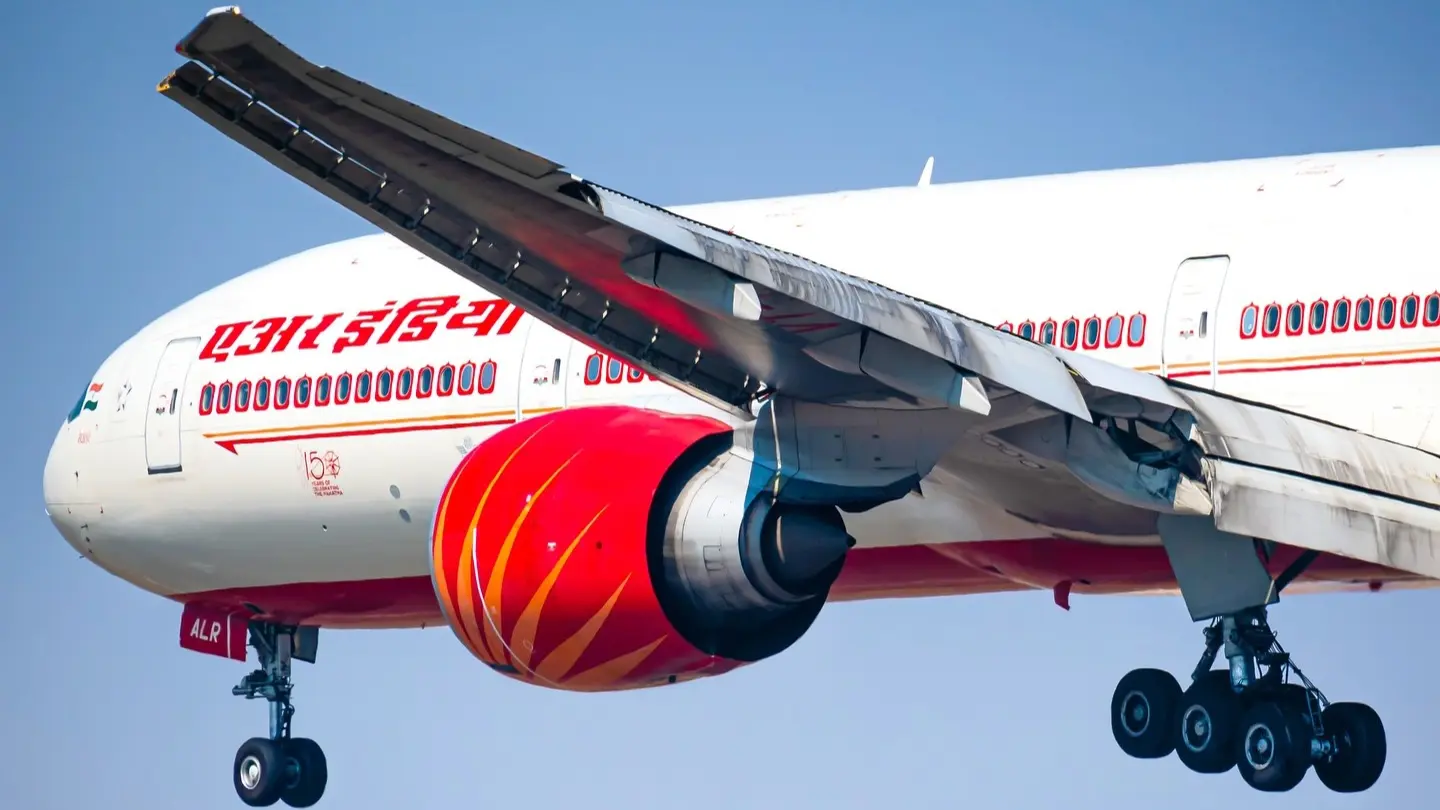
Air India is grappling with an estimated annual loss of approximately $600 million following Pakistan’s recent closure of its airspace to Indian carriers.
This move, a response to escalating tensions between the two nations, has significantly disrupted Air India’s operations, particularly its long-haul international flights. The airine has formally approached the Indian government, seeking financial compensation to offset the increased operational costs incurred due to the airspace restrictions. These costs encompass additional fuel expenses, extended flight durations, and the necessity for extra crew members on certain routes. Air India operates a substantial number of international flights that typically traverse Pakistani airspace, making it particularly vulnerable to such disruptions.
In response to the situation, India’s aviation regulator has granted Air India a temporary exemption to extend the maximum duty hours and rest periods for pilots and cabin crew operating long-haul flights, especially those to the United States. This measure, effective from April 30 for approximately two weeks, aims to mitigate operational disruptions caused by the airspace blockade. The exemption allows for an increase in the flight duty period by two hours, enabling up to 16 hours for flights under 12 hours and up to 24 hours for flights over 14 hours. Corresponding rest periods at layovers and home bases have also been extended. These adjustments are intended as a stop-gap while a more permanent solution is developed. The airspace closure has led to significant operational challenges for Air India. Flights from Delhi to U.S. destinations, such as New York and Chicago, now require refueling stops in cities like Vienna or Sharjah, adding up to four extra hours to travel times. This detour not only increases fuel consumption but also necessitates additional crew members and incurs higher ground handling charges. For instance, each refueling halt costs the airline approximately ₹50 lakh, and the need to position crew and engineers in Vienna has resulted in a loss of around ₹60 crore.
The impact extends beyond Air India. Other Indian carriers, including IndiGo and SpiceJet, have also been affected by the airspace restrictions, leading to increased operational costs and delays. The cumulative monthly operational impact on Indian airlines is estimated to exceed ₹306 crore, with longer flight durations and higher fuel consumption contributing to the financial strain. The situation underscores the vulnerability of the aviation industry to geopolitical tensions and the critical importance of maintaining open and secure airspace for international travel. As the crisis continues, airlines are exploring alternative routes and operational adjustments to mitigate the adverse effects on their operations. However, the long-term solution lies in diplomatic efforts to restore normalcy and ensure the free movement of air traffic between the two nations.
In conclusion, the closure of Pakistan’s airspace has inflicted substantial financial losses on Air India and other Indian carriers, highlighting the broader implications of geopolitical conflicts on global aviation. While temporary measures have been implemented to alleviate some operational challenges, a sustainable resolution requires concerted diplomatic engagement to reopen airspace and restore normal flight operations.
Also Read: Sairang Rail Trial Run Boosts Connectivity for Mizoram
