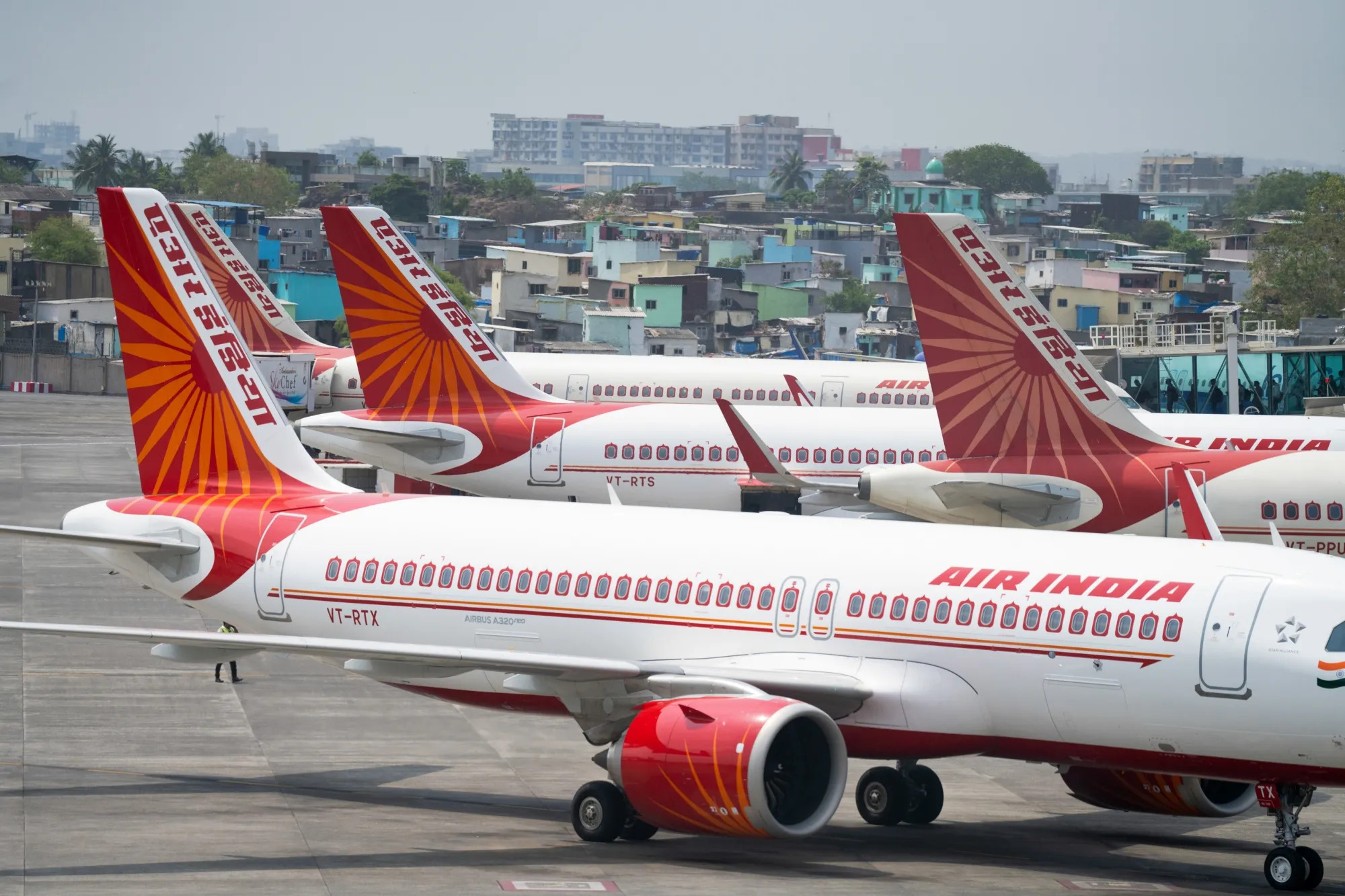
Air India Disaster Underscores Critical Need for Aviation Safety Reforms
Recent aviation incidents, including the Ahmedabad air crash, have sharply refocused attention on the critical need for comprehensive systemic reforms within India’s aviation sector. A growing lack of trust among aviation professionals regarding investigative robustness and findings underscores a deeper crisis of confidence in a system often perceived as excessively penalizing personnel rather than holding airlines and regulators to equitable scrutiny.
This environment jeopardizes psychological well-being among air crew and highlights the urgent imperative for a genuine “culture of safety” to permeate every layer of the aviation system for the benefit of all urban citizens. The intricate web of aviation safety involves multiple interconnected elements: aircraft design, airworthiness, maintenance, and the people who operate them, all primarily under the purview of airline operators. Concurrently, airport infrastructure, air traffic control systems, and their personnel are the responsibility of the Airports Authority of India (AAI) and aerodrome operators. The Directorate General of Civil Aviation (DGCA) exercises regulatory control over these entities, with the Ministry of Civil Aviation (MoCA) providing supervisory oversight.
However, current challenges suggest that safety layers, much like the “Swiss cheese model,” exhibit flaws that, when aligned, can lead to catastrophic outcomes, as seen in the 2018 Ghatkopar crash in Mumbai and recent events.A particularly alarming concern is the proliferation of vertical obstructions around major airports, notably in Mumbai’s airspace, which is described as among the most hazardous globally. Despite judicial interventions, thousands of vertical obstructions violate critical Inner Horizontal Surface (IHS) criteria, rising significantly over the past decade. This alarming trend suggests regulatory opacity and potential misrepresentation by key aviation authorities before judicial bodies, hindering timely action. Such uncontrolled urban development around airports not only poses direct physical risks to flight movements but also interferes with crucial radar and communication signals, directly impacting the vision of safe, sustainable, and eco-friendly urban living.
The systemic breakdown extends across various facets of the aviation ecosystem. Concerns persist regarding aircraft maintenance standards, with reports of Aircraft Maintenance Engineers (AMEs) operating under immense stress without adequate duty time limits, and the delegation of critical tasks to less-qualified personnel. Furthermore, practices such as airlines violating Flight Time Duty Limitations for pilots, and regulatory frameworks that restrict pilot mobility across airlines, contribute to fatigue and coercion, fundamentally compromising safety. The chronic shortage of Air Traffic Controller Officers (ATCOs) within the AAI, an issue flagged by parliamentary committees, further exacerbates the operational challenges, while a pervasive culture of silencing whistle-blowers actively discourages the reporting of vital safety issues.
These compounded deficiencies indicate that aviation incidents are not mere “accidents” but often the predictable consequence of prolonged systemic neglect and policy violations. For a nation aspiring to build equitable and resilient cities, ensuring robust and uncompromising aviation safety is non-negotiable. It demands immediate and comprehensive reform, fostering genuine accountability, rigorous oversight, and an unwavering commitment to prioritising safety above short-term profitability. The lives of millions of citizens who rely on air travel depend on an urgent paradigm shift towards a truly safety-first culture, where human value transcends mere monetary considerations.