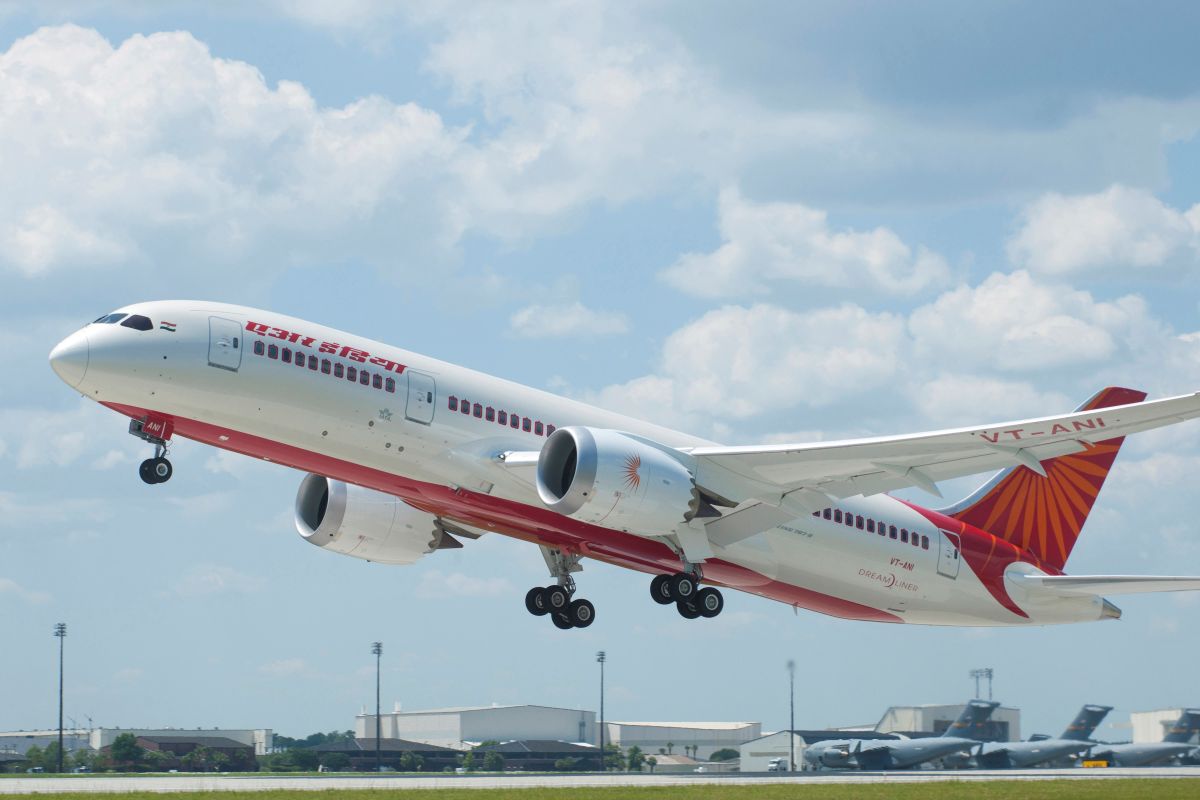
Air India crash exposes flaws in aviation safety system
The recent Air India Dreamliner crash in Ahmedabad has exposed systemic cracks in India’s rapidly expanding aviation sector. From poor Black Box recovery protocols to insufficient wide-body MRO capabilities, the tragedy serves as a wake-up call. Despite ambitious policy goals and ‘Make in India’ aerospace growth, safety, infrastructure, and technical preparedness remain serious challenges threatening the credibility and resilience of Indian civil aviation.
The Black Box of Air India Flight 171, recovered a day after the crash, was found extensively damaged. Housed in India’s newly inaugurated ₹9-crore AAIB lab in Delhi, it may still need to be sent to the US for data recovery. This delay highlights India’s limited technical capacity in handling aviation disasters and raises serious concerns about data reliability, accident transparency, and investigational independence in high-stakes scenarios.
India’s MRO capabilities remain skewed toward narrow-body aircraft, with major players ill-equipped for wide-body maintenance. While companies like AIESL and GMR Aero Technic dominate narrow-body servicing, most airlines depend on foreign facilities for larger aircraft—delaying turnarounds and inflating operational costs. Despite a new MRO facility by Air India and Singapore Airlines underway in Bengaluru, engineer shortages and
India’s aviation sector is booming, backed by mega fleet orders and regional connectivity plans.
Regulatory lapses, inadequate crew fatigue norms, and ageing maintenance protocols undermine passenger safety. The crash has forced regulators and airlines to re-examine operational oversight, emergency response frameworks, and infrastructural bottlenecks, reminding stakeholders that ambition must be grounded in robust safety mechanisms.
Amid the setbacks, India’s aerospace manufacturing sector is emerging as a bright spot. MSMEs and firms like Tata, Mahindra, and Dynamatic Technologies are contributing significantly to the global supply chain, making parts for Airbus, Boeing, and Deutsche Aircraft. With $2 billion in annual exports and government-backed incentives, India’s component market is growing, but these gains must be matched by corresponding improvements in aviation infrastructure and safety systems.
The Air India crash has shattered the illusion of invincibility in India’s aviation dream. While the country is ascending globally in aircraft manufacturing and connectivity goals, systemic lapses in safety, maintenance, and disaster response cannot be ignored. For aviation growth to be truly sustainable, India must build resilient domestic infrastructure, modernise MRO capabilities, and prioritise human safety as much as industrial ambition.