


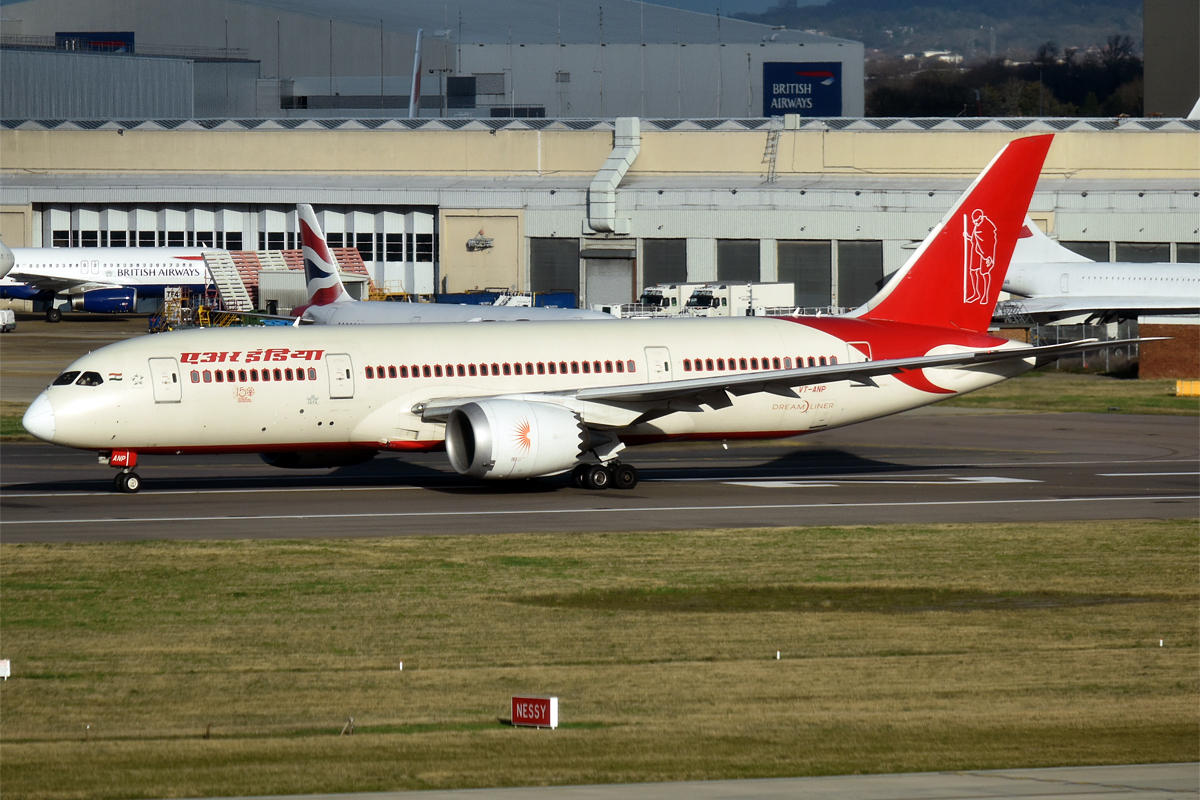
A Tokyo-Delhi Air India flight was diverted to Kolkata on June 29 after a spike in cabin temperature mid-flight. The Boeing 787 Dreamliner landed safely without injuries. Technical checks grounded the aircraft while an alternative was arranged. The incident follows similar recent technical snags on international routes, raising concerns about the airline’s operational reliability amid rising global scrutiny.
Flight AI357, en route from Tokyo Haneda to Delhi, experienced a persistent increase in cabin temperature shortly after take-off. In line with safety protocols, the crew opted for an unscheduled landing in Kolkata. The Boeing 787-8 Dreamliner completed the diversion without incident. Authorities confirmed that the decision was precautionary, prioritising passenger comfort and operational safety. Ground support was mobilised promptly to assist passengers during the unexpected halt.
Upon touchdown, the aircraft was immediately pulled from service for a technical inspection. Airline maintenance teams initiated checks on the Dreamliner, which is over 13 years old and powered by GEnX engines. As per flight tracking data, a backup aircraft—a Boeing 777-300ER—was dispatched from Kolkata to carry stranded passengers to Delhi. The backup flight departed around midnight and landed in Delhi without delay or further complications.
This is not an isolated case. Earlier this month, a Hong Kong–Delhi Air India flight returned to origin shortly after take-off due to a suspected technical irregularity. That aircraft, also a Boeing 787 Dreamliner, landed safely. While no emergency was declared, the recurrence of such incidents is prompting aviation observers to question the consistency of the airline’s fleet maintenance and the frequency of pre-departure inspections across long-haul international routes.
In another recent disruption, a Delhi–Singapore flight aborted take-off twice on May 31. Passengers remained onboard for over five hours as the issue persisted, and food service delays worsened discomfort. Such technical snags, especially when combined with long delays, can severely affect customer satisfaction. Industry seniors emphasise the need for more stringent maintenance practices to ensure seamless international operations, particularly on high-traffic Asian routes served by older aircraft models.
As Air India expands its international reach, repeated in-flight disruptions highlight urgent gaps in maintenance reliability. While all recent diversions were managed without injuries, the frequency of such events could undermine passenger trust. Aviation experts suggest that timely upgrades and stricter inspection routines are necessary to maintain global standards. The airline has not yet released a full technical assessment of the Tokyo-Delhi diversion incident.
Also Read: IndiGo Pune to Hyderabad Flight Diverted to Vijayawada Due to Busy Skies
Air India Boeing 787 from Tokyo to Delhi Diverted Mid-Flight
