Ahmedabad’s ₹180 Crore Water Policy Fails as Lakes
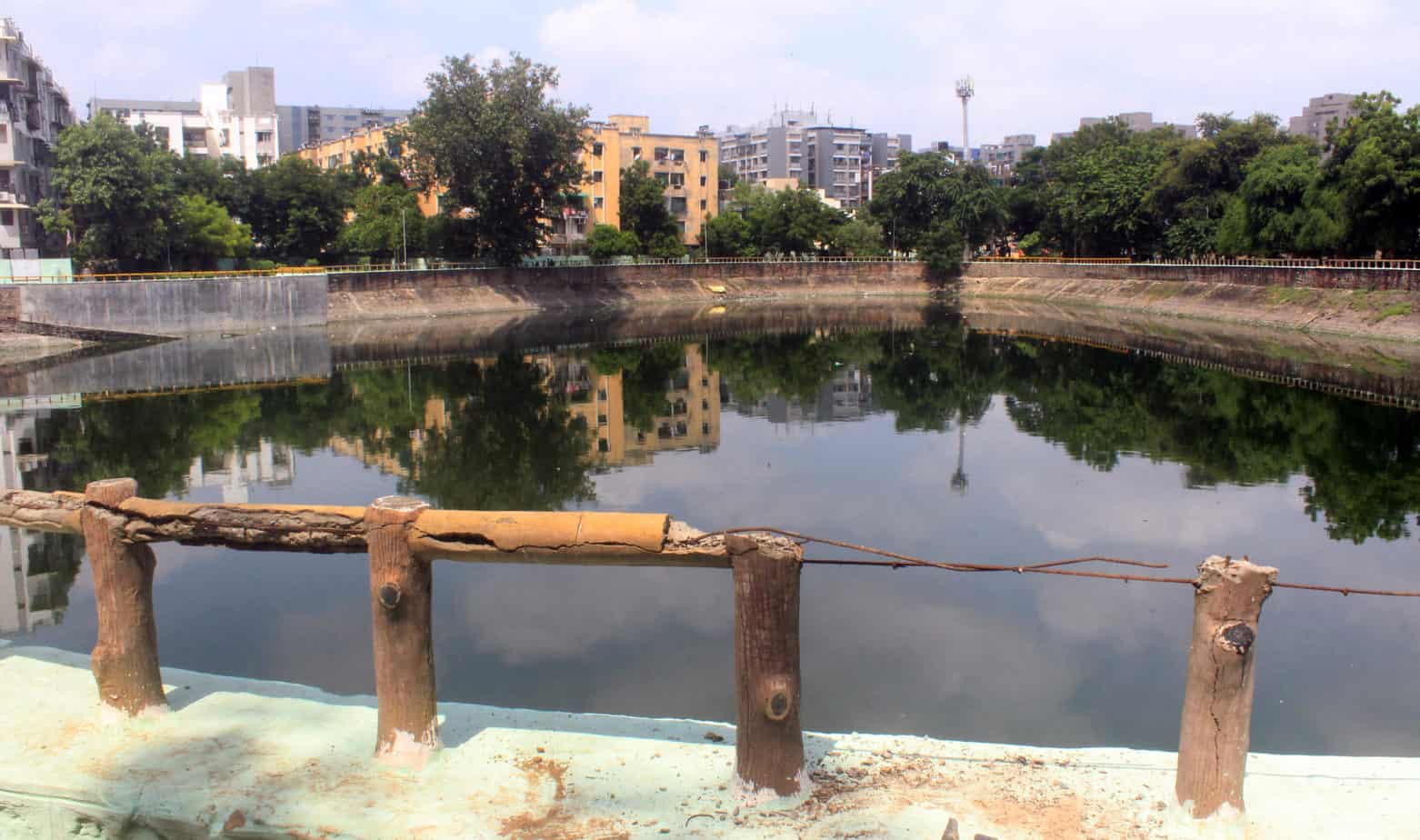
Ahmedabad’s urban ecosystem faces an alarming crisis as its numerous lakes, despite substantial public investment exceeding ₹180 crore over the past five years and another ₹100 crore earmarked for 2025-26, remain largely dry or, disturbingly, are filled with sewage instead of precious rainwater. This critical failure in urban water governance stands in stark contrast to Gujarat’s own State Water Policy, which appears to be systematically disregarded within the city. The situation underscores a severe environmental and public health threat, directly undermining Ahmedabad’s aspirations for sustainable and eco-friendly urban development.
The Gujarat State Water Policy mandates crucial steps for lake conservation, including ‘before-and-after mapping’ of water bodies, establishment of proper stormwater infrastructure to ensure pure rainwater collection, formation of dedicated lake management committees, and stringent rules for removing encroachments. However, a recent Right to Information (RTI) inquiry reveals a glaring lapse in the implementation of these foundational principles across Ahmedabad. This policy inertia, juxtaposed with considerable fiscal allocation, points to significant inefficiencies or misdirection of public funds that could otherwise be channelled into genuine ecological restoration.
The consequences of this policy non-compliance are dire. Despite receiving over 40% of its seasonal rainfall, Ahmedabad’s lakes are not replenishing. Instead, many are receiving direct sewage water, exacerbating pollution. The paradox is stark: roads experience waterlogging during monsoon downpours, yet the very lakes meant to absorb and store this precious resource remain parched or contaminated due to absent or defunct stormwater systems, with some even having direct sewer line connections. Reports indicate that Sola Lake has become an illegal dumping site, while the lake near Science City emanates foul odours, signifying severe environmental degradation and posing tangible public health risks to surrounding communities.
Further compounding the crisis is an apparent breakdown in municipal oversight and accountability. While a joint committee comprising various departmental representatives was formed to oversee lake conservation, RTI data indicates that most municipal zones, with the sole exception of the North Zone, have failed to conduct mandated meetings or submit monthly progress reports. This systemic inaction highlights a severe governance deficit. Allegations also suggest that political patronage may be shielding certain high-ranking officials within the engineering department, granting them unchecked authority and contributing to widespread non-compliance with environmental mandates. This undermines transparent administration and equitable resource management essential for robust urban planning.
The current dismal state of Ahmedabad’s lakes serves as a powerful indictment of the prevailing environmental stewardship. Urgent and decisive action is required to rectify this perilous situation. Immediate and stringent enforcement of the Gujarat State Water Policy, coupled with transparent utilisation of allocated public funds and robust accountability mechanisms, is paramount. Safeguarding these vital urban water bodies is not merely an environmental imperative but a fundamental necessity for ensuring the city’s ecological balance, public health, and its long-term vision of becoming a truly sustainable, equitable, and liveable metropolis for all its citizens.