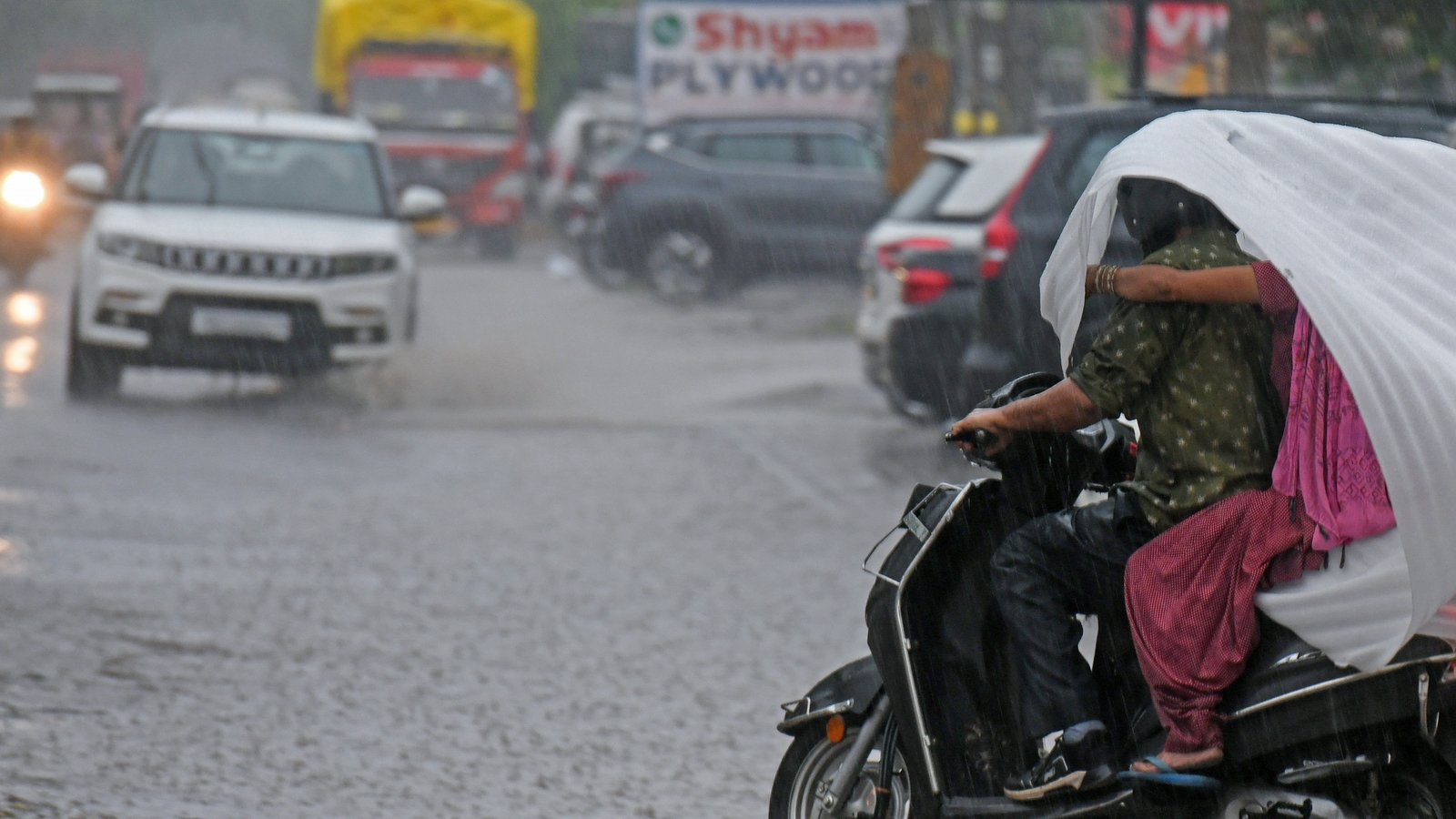
Unseasonal showers swept across parts of Gujarat on 23 February, bringing sudden rainfall, gusty winds and fluctuating temperatures to several districts, including Ahmedabad. The India Meteorological Department (IMD) has since placed six districts under a yellow alert, warning of further light rain and unsettled conditions a development that carries implications for urban drainage, air quality and standing crops.
Light to moderate rain was recorded in Bharuch, Gandhinagar, Mahisagar and Amreli, while several neighbourhoods in Ahmedabad experienced intermittent showers through the day and late into the night. Areas along key urban corridors reported drizzle under overcast skies, with early morning fog reducing visibility in pockets of the city. The IMD attributes the Gujarat unseasonal rain to cyclonic circulation influencing atmospheric conditions across North, Central and South Gujarat. Districts such as Sabarkantha, Aravalli, Mahisagar, Chhota Udepur, Dahod and Panchmahal remain on alert for additional light rainfall. Parts of Saurashtra and Kutch may also see sporadic showers accompanied by wind activity.
In Ahmedabad, residents reported a sharp shift in weather within hours moving from cool morning conditions to humid afternoons and light evening rainfall. Meteorologists expect the state to gradually transition towards drier conditions from 24 February onwards. However, temperature variability is likely to persist, with maximum temperatures forecast to approach 34°C and minimum temperatures hovering between 18°C and 20°C, possibly dipping slightly in the coming days. Urban planners note that episodes of Gujarat unseasonal rain during the transition between winter and summer locally referred to as maveth are not uncommon. However, increasing variability in rainfall timing and intensity has raised concerns about climate resilience in both cities and agricultural zones.
For farmers in districts dependent on late winter crops, unexpected showers can damage standing produce, particularly wheat, cumin and horticultural crops. Agricultural economists caution that repeated weather shocks, even if light, can disrupt yield projections and affect local supply chains. Within cities, even modest rainfall tests stormwater infrastructure. Ahmedabad has invested in drainage upgrades over the past decade, yet rapid surface runoff in dense neighbourhoods can still result in temporary waterlogging. Urban climate specialists emphasise the need for permeable surfaces, green buffers and decentralised rainwater management systems to absorb sudden precipitation.
Real estate analysts also observe that erratic weather patterns are influencing building design priorities. Developers are increasingly incorporating improved waterproofing, elevated electrical systems and better ventilation to adapt to humidity swings and short bursts of rain outside the monsoon cycle.
As Gujarat heads towards warmer months, authorities will be monitoring whether the current Gujarat unseasonal rain episode remains isolated or signals broader climatic volatility. For cities and rural districts alike, the focus is shifting from short-term alerts to long-term preparedness in an era of increasingly unpredictable weather.
Ahmedabad Weather Shifts As Rain Spreads