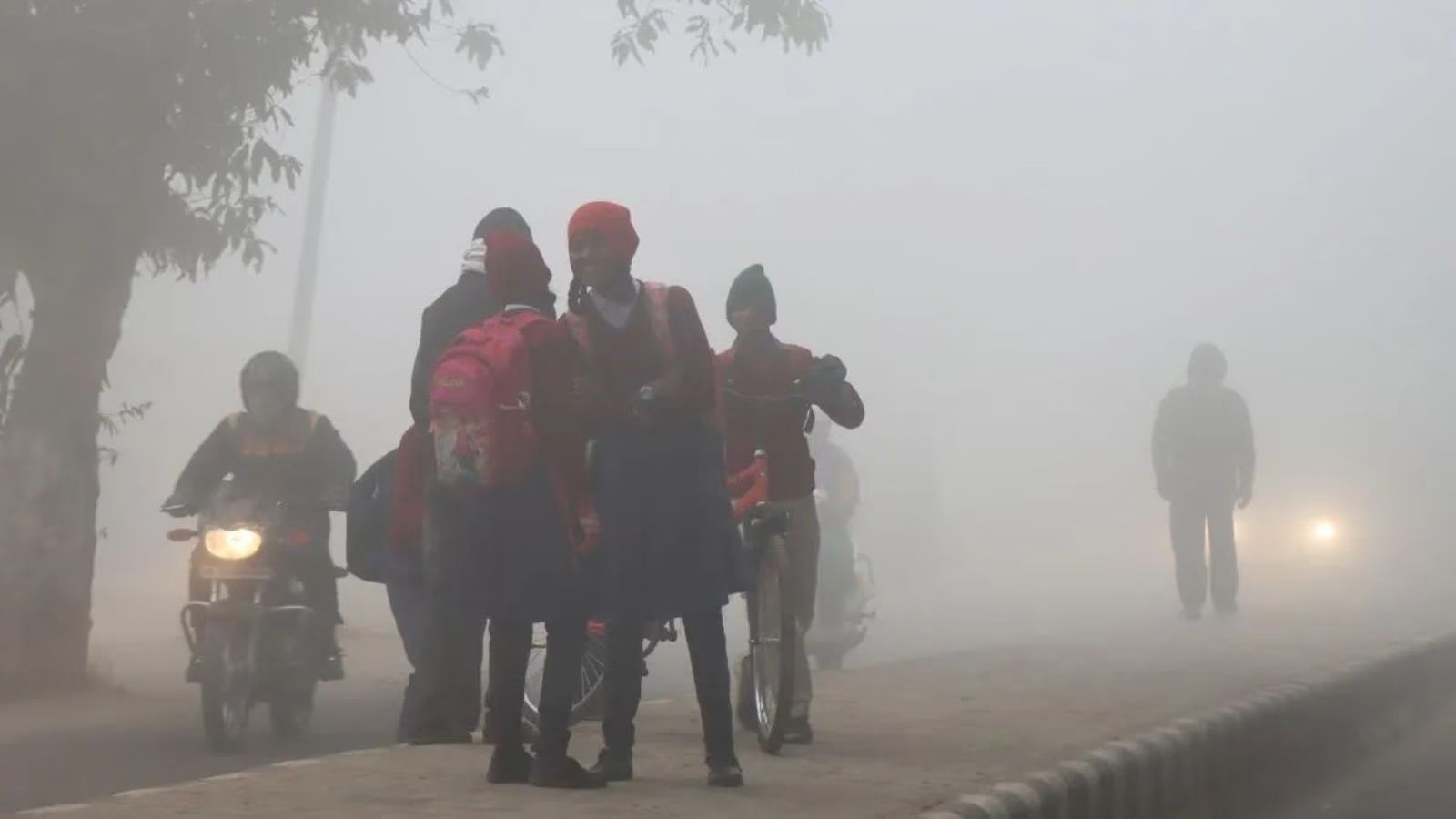
Night-time temperatures across Gujarat slipped below seasonal norms this week, signalling a sharper winter phase that is being closely watched by urban planners, public health officials, and infrastructure managers. Several major cities, including Ahmedabad, Vadodara and Rajkot, reported minimum temperatures well below mid-January averages, underlining how short-term climate variability is increasingly shaping daily urban life in western India.
Weather data released on Tuesday morning shows that much of the cooling was concentrated over inland and semi-arid districts, while coastal pockets remained comparatively milder. Ahmedabad recorded a minimum temperature just under 14°C, while Vadodara experienced a more pronounced drop to below 12°C. Rajkot, a key commercial hub of the Saurashtra region, saw night temperatures fall close to 10°C, marking one of its colder nights this season. These readings reflect a broader pattern of Gujarat minimum temperatures dipping under the influence of persistent northerly winds. The sharpest cooling was observed across Kutch and parts of Saurashtra, regions that are already vulnerable to climatic extremes due to arid conditions and limited green cover. An interior town in Kutch emerged as the coldest point in the state, with night temperatures nearing single digits. Other urban centres such as Bhuj, Porbandar and Amreli also recorded minimums below their long-term averages, reinforcing the spatial spread of the cold spell.
Meteorologists attribute the temperature drop to dry air movement from northern India, a pattern that typically reduces cloud cover and accelerates night-time heat loss. While such conditions are not unusual for January, experts note that sharper fluctuations in Gujarat minimum temperatures have implications beyond daily comfort. Colder nights increase energy demand in cities, particularly in older housing stock that lacks thermal efficiency. This places added pressure on electricity networks and raises household costs, especially for lower-income residents. From an urban governance perspective, short cold spells also test the resilience of public health systems. Elderly populations, informal workers, and people living in poorly insulated homes are more exposed to sudden temperature changes. Urban planners point out that climate-responsive building design, better insulation standards, and increased urban tree cover can help cities buffer both cold and heat extremes.
Importantly, no rainfall was recorded across Gujarat during the period, indicating that the cooling was not associated with weather disturbances that could disrupt transport or construction activity. For the real estate and infrastructure sectors, stable dry conditions support ongoing projects, but repeated temperature volatility reinforces the need for climate-adaptive planning rather than reliance on historical weather patterns. As Gujarat’s cities continue to expand, integrating climate resilience into housing, mobility, and public spaces is becoming less optional and more essential. Monitoring Gujarat minimum temperatures is no longer just a meteorological exercise it is a key input into how cities plan for energy use, public health preparedness, and long-term sustainability in an era of changing climate behaviour.