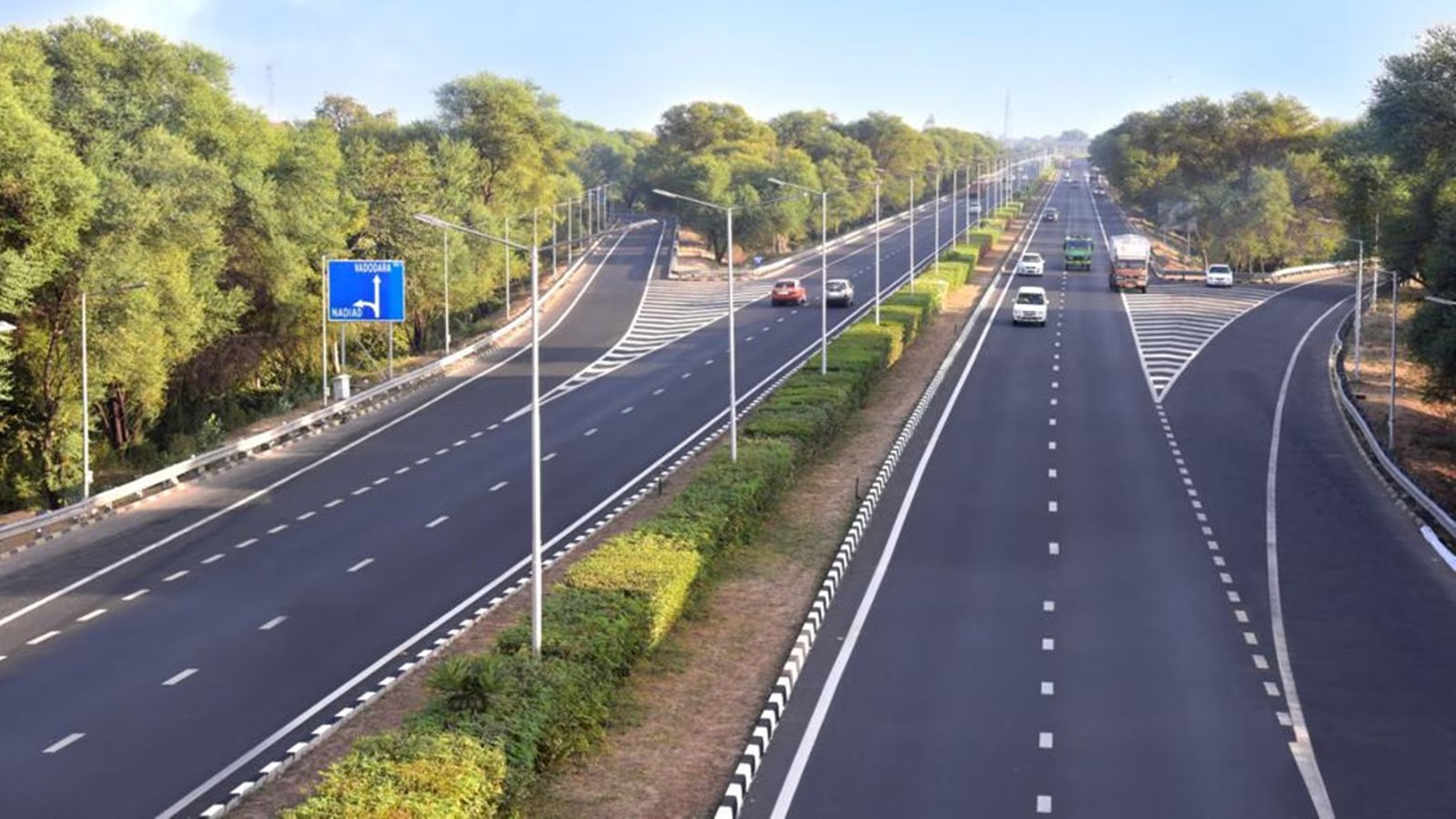
Ahmedabad Vadodara Highway Set For Safety Retrofit
A critical stretch of National Highway 48 linking Ahmedabad and Vadodara is set to undergo a targeted safety retrofit as India’s highway authority steps up efforts to curb rising fatalities on one of Gujarat’s most heavily travelled corridors. The initiative, focused on identified crash clusters, signals a shift toward data-led road safety interventions on intercity highways that underpin regional mobility and economic activity. Stretching across just over 100 kilometres, the Ahmedabad–Vadodara section of NH-48 forms part of the Delhi–Mumbai industrial and logistics spine, carrying high volumes of private vehicles, buses, and freight traffic daily.
Officials familiar with the project say accident mapping has flagged multiple locations where road design, visibility, and traffic behaviour combine to create disproportionately high fatality risks. Addressing these gaps has become a priority as vehicle ownership and freight movement continue to grow across western India. Under the proposed works, the highway authority has earmarked more than ₹8.5 crore for short-term safety improvements across six high-fatality zones and 25 critical crash-prone locations. The scope goes beyond cosmetic upgrades, focusing on physical and operational measures that can quickly reduce collision severity while longer-term corridor redesigns are evaluated. Planned interventions include the installation of mandatory and advance warning signboards, overhead gantries, and enhanced lane and speed-control markings using thermoplastic materials. Solar-powered lighting, blinkers, and reflective road studs are expected to improve night-time visibility—an area consistently highlighted by road safety audits as a contributor to fatal crashes on high-speed corridors. Median protection will be strengthened through reinforced concrete crash barriers, while temporary water-filled barricades will be deployed where traffic patterns require additional channelisation.
Urban transport planners note that such targeted investments often deliver high safety returns relative to cost, particularly when deployed at known black spots. “Short-cycle safety works can prevent deaths immediately, especially on corridors that cannot be shut down for long-term reconstruction,” an infrastructure expert said, adding that solar-powered equipment also reduces operational emissions and maintenance costs over time.The project has been tendered through an electronic bidding process, with contractors expected to complete on-ground works within four months of award. Longer defect liability periods for signage and pavement markings indicate an emphasis on durability and lifecycle performance rather than one-off installation.
Beyond physical infrastructure, the contract also mandates on-site management teams and emergency response arrangements, including patrol vehicles, ambulances, and recovery cranes. This integrated approach reflects growing recognition that post-crash response times play a crucial role in survival outcomes on high-speed highways. For cities like Ahmedabad and Vadodara where daily commuting, industrial supply chains, and intercity travel are tightly interlinked the safety of NH-48 has direct economic and social implications. Reduced accidents translate into lower healthcare burdens, less congestion from crash-related closures, and more reliable movement of people and goods. As India pushes toward safer, lower-carbon transport systems, the success of this intervention may shape how similar high-risk corridors are treated nationwide prioritising human safety alongside speed and capacity in the design of future highways.