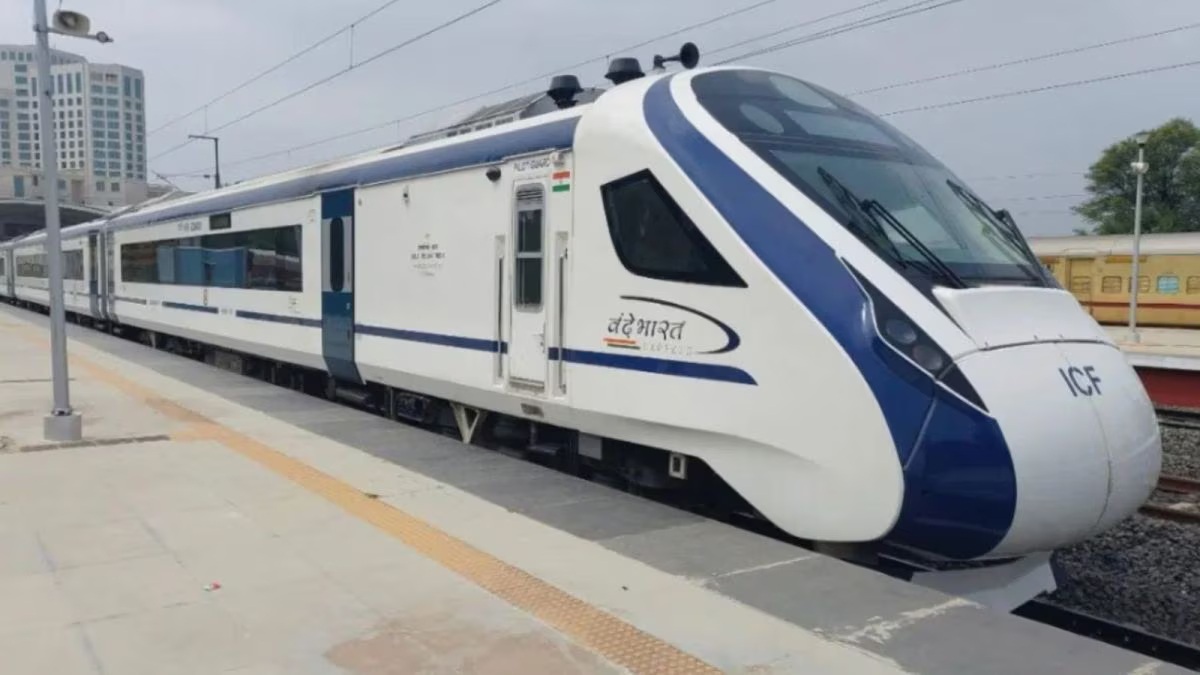
Ahmedabad Udaipur Train Expands Economic And Tourism Links
Ahmedabad and Udaipur have entered a new phase of regional connectivity with the launch of a semi-high-speed rail service linking Gujarat’s industrial hub to Rajasthan’s tourism-driven city. The Vande Bharat train, featuring modern amenities and reduced travel times, is expected to significantly reshape both business travel and leisure tourism along the corridor. Urban planners and industry analysts suggest that this link could catalyse broader economic and infrastructure developments for smaller towns along the route.
The Ahmedabad-Udaipur rail corridor has historically served as a critical connection for trade and tourism, yet road travel has often been hindered by congestion and delays. By offering a faster, reliable alternative, the Vande Bharat service not only improves efficiency for daily commuters and business professionals but also enhances Udaipur’s accessibility for domestic and international tourists. Urban development experts note that easier access to industrial hubs such as Ahmedabad can stimulate regional commerce and create new opportunities for business tourism, including conferences and corporate events.
The train’s design incorporates both air-conditioned chair cars and executive class coaches, providing a balance between affordability and premium travel. Features such as onboard charging stations, automated doors, and bio-toilets contribute to passenger comfort while aligning with broader sustainable transport goals. The semi-high-speed service reduces travel time substantially, enabling evening departures from Ahmedabad with overnight arrivals in Udaipur and morning return journeys, a schedule designed to support flexible business and leisure travel. Smaller towns along the route, including Himmatnagar and Dungarpur, stand to gain from improved connectivity. Urban planners argue that reliable rail links can decentralise growth, allowing local enterprises to access larger markets and attract investments without the immediate pressures of urban migration. By connecting these towns to regional economic centres, the rail service supports equitable development while mitigating pressures on city infrastructure.
Environmental sustainability is another critical dimension of the Vande Bharat initiative. As an electrified service, it offers a lower-carbon alternative to road transport, which is particularly relevant given the high congestion along this corridor. Analysts emphasise that integrating electrified rail into India’s transport mix aligns with national strategies for energy efficiency and urban climate resilience, helping cities reduce per capita emissions while enhancing mobility. The Ahmedabad-Udaipur Vande Bharat service exemplifies India’s approach to modernising transport infrastructure with a focus on speed, sustainability, and regional development. For businesses, tourists, and local communities, it represents a more efficient, comfortable, and environmentally conscious way to travel, while offering smaller towns along the route a pathway to greater economic integration. As rail modernisation expands across India, the corridor may serve as a model for connecting industrial hubs with cultural destinations.