A key transport link in central Ahmedabad will be temporarily taken out of service later this week, underscoring the everyday trade-offs cities face while upgrading large-scale infrastructure. The Shahibaug underpass, a critical connector for airport-bound and intercity traffic, will remain shut for nearly five days as construction teams carry out specialised installation work linked to the Ahmedabad bullet train project.According to traffic authorities, vehicular movement through all entry and exit points of the underpass will be suspended from the evening of January 23 until early January 28. The closure has been planned to enable the placement and piloting of structural components required for the high-speed rail corridor passing above the stretch. Officials say the work cannot be safely executed with live traffic moving underneath.
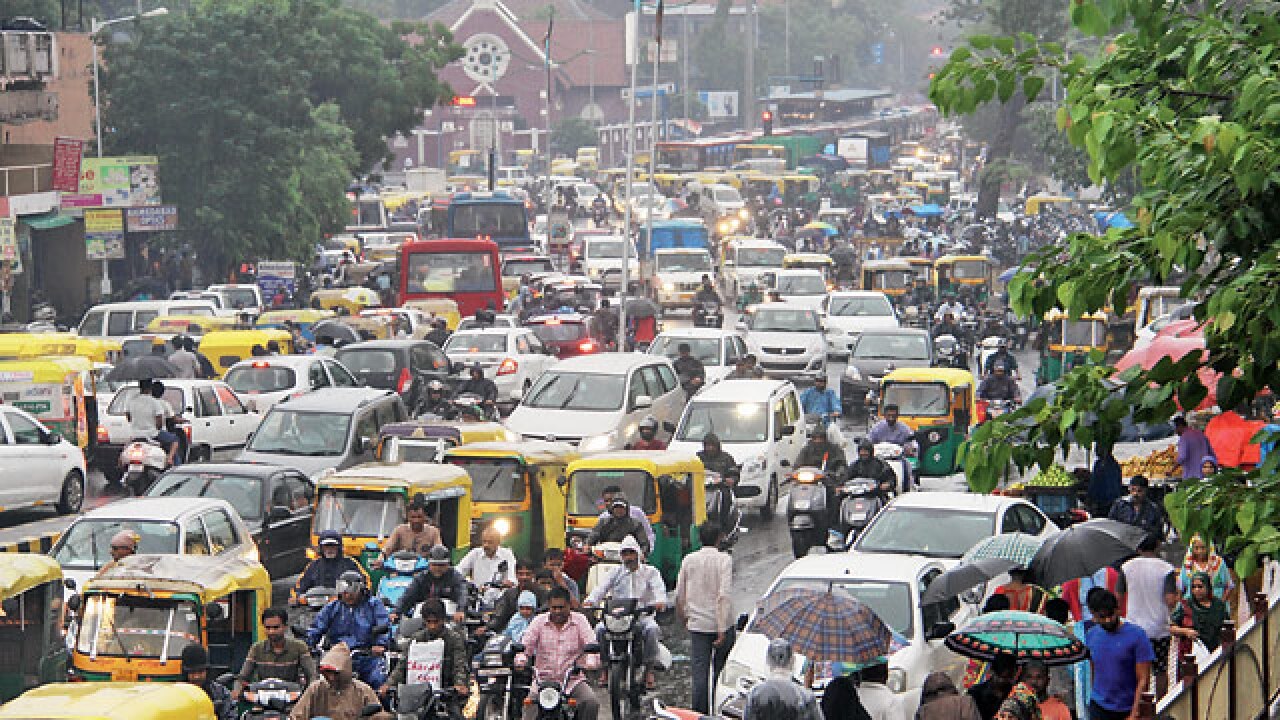
The underpass serves as a vital artery connecting northern Ahmedabad with the airport, Gandhinagar, and several dense residential and commercial zones. Its temporary shutdown is expected to increase travel time across multiple corridors, particularly during peak commuting hours. Urban mobility experts note that while such disruptions are inconvenient, they reflect a broader shift towards long-term capacity building in Indian cities. Alternative routes have been designated to manage traffic flow during the closure. Airport-bound commuters from older city areas will be redirected towards riverfront roads, while traffic moving between Gandhinagar and eastern neighbourhoods will need to rely on cantonment-adjacent routes and elevated bridges nearby. Traffic personnel will be deployed at key junctions to manage congestion and guide drivers.
The Ahmedabad bullet train project is among the largest infrastructure investments currently reshaping the city’s built environment. Beyond reducing intercity travel times, planners argue that high-speed rail can help curb long-term carbon emissions by shifting passengers away from private vehicles and short-haul flights. However, the construction phase places immediate pressure on urban roads already strained by rising vehicle ownership. A senior civic official involved in traffic planning said such closures are being scheduled in compact windows to limit prolonged disruption. Earlier plans to block the underpass were deferred to avoid overlap with other roadworks and festive travel demand, highlighting the complexity of coordinating mega projects in dense urban settings.
Urban planners point out that episodes like this underline the need for stronger last-mile connectivity, improved public transport alternatives, and clearer real-time communication with citizens. As Ahmedabad expands its infrastructure footprint, the challenge will be ensuring that growth remains people-centric and resilient, rather than car-dependent. Once the installation work is completed, authorities expect traffic patterns to normalise quickly. In the longer term, the city’s experience with managing construction-related disruption may offer lessons for other metros balancing rapid infrastructure expansion with everyday urban liveability.