


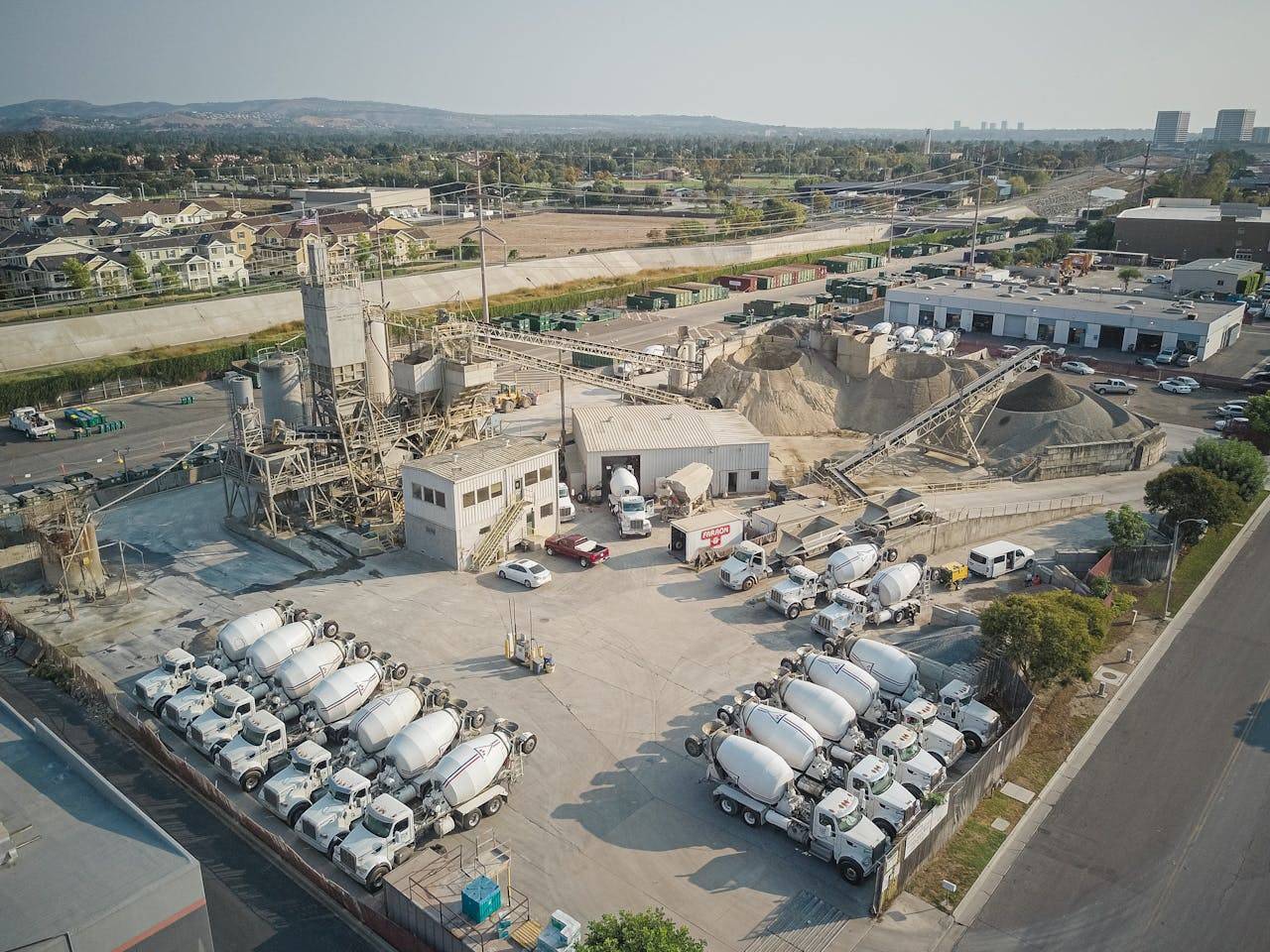
Ahmedabad is preparing for a sweeping regulatory move as the Municipal Corporation finalises a new Standard Operating Procedure (SOP) for Ready Mix Concrete (RMC) plants. The framework, expected to be issued shortly, is designed to curb unauthorised operations, enforce environmental compliance, and prohibit plants from functioning in residential neighbourhoods.
For years, residents across Ahmedabad have voiced concerns about air pollution, dust and emissions from RMC plants located near densely populated zones. The civic body’s new guidelines are intended to address these grievances, while ensuring that the city’s construction industry continues to have access to concrete supplies under a regulated and sustainable model.According to municipal officials, the SOP will make registration and prior authorisation mandatory for every RMC plant before operations can commence. This measure, they argue, will help weed out unauthorised facilities that have been operating without adequate checks, often flouting environmental safeguards. Plants failing to comply with the new rules face the prospect of closure, signalling the city’s intent to prioritise public health over unregulated industrial activity.
Also Watch: An Exclusive Interview with Sanjeev Jaiswal (IAS), CEO MHADA
One of the most notable provisions in the draft SOP is the prohibition of RMC plants within residential areas. Officials point out that the relocation of existing plants away from densely inhabited neighbourhoods will be critical in reducing exposure to harmful dust particles, particularly fine particulate matter, which has been a major contributor to Ahmedabad’s worsening air quality. The move also echoes the wider urban agenda of balancing industrial growth with sustainable living conditions. Environmental experts note that RMC plants, while integral to large-scale construction, can significantly raise localised air pollution if not properly regulated. By mandating stricter operational norms and introducing accountability mechanisms, the AMC aims to mitigate these risks while aligning city infrastructure with national climate commitments and the broader vision of zero net carbon urbanisation.
The construction industry, which relies heavily on RMC for housing, commercial and infrastructure projects, will now be required to adapt to these standards. While compliance may initially add to operational costs, industry stakeholders acknowledge that formalising processes will help build credibility, reduce disputes with residents, and eventually foster a more responsible growth model.This development follows a precedent set earlier this year when the Ahmedabad Urban Development Authority issued its own SOP regulating both on-site and off-site RMC plants. The AMC’s move, therefore, is seen as a consolidation of policy direction across the metropolitan region.Once implemented, the SOP will mark a significant step towards reorienting Ahmedabad’s urban growth to be cleaner, more accountable, and people-centric. It signals the city’s determination to keep pace with rising construction demands while simultaneously safeguarding the health and well-being of its residents.
