


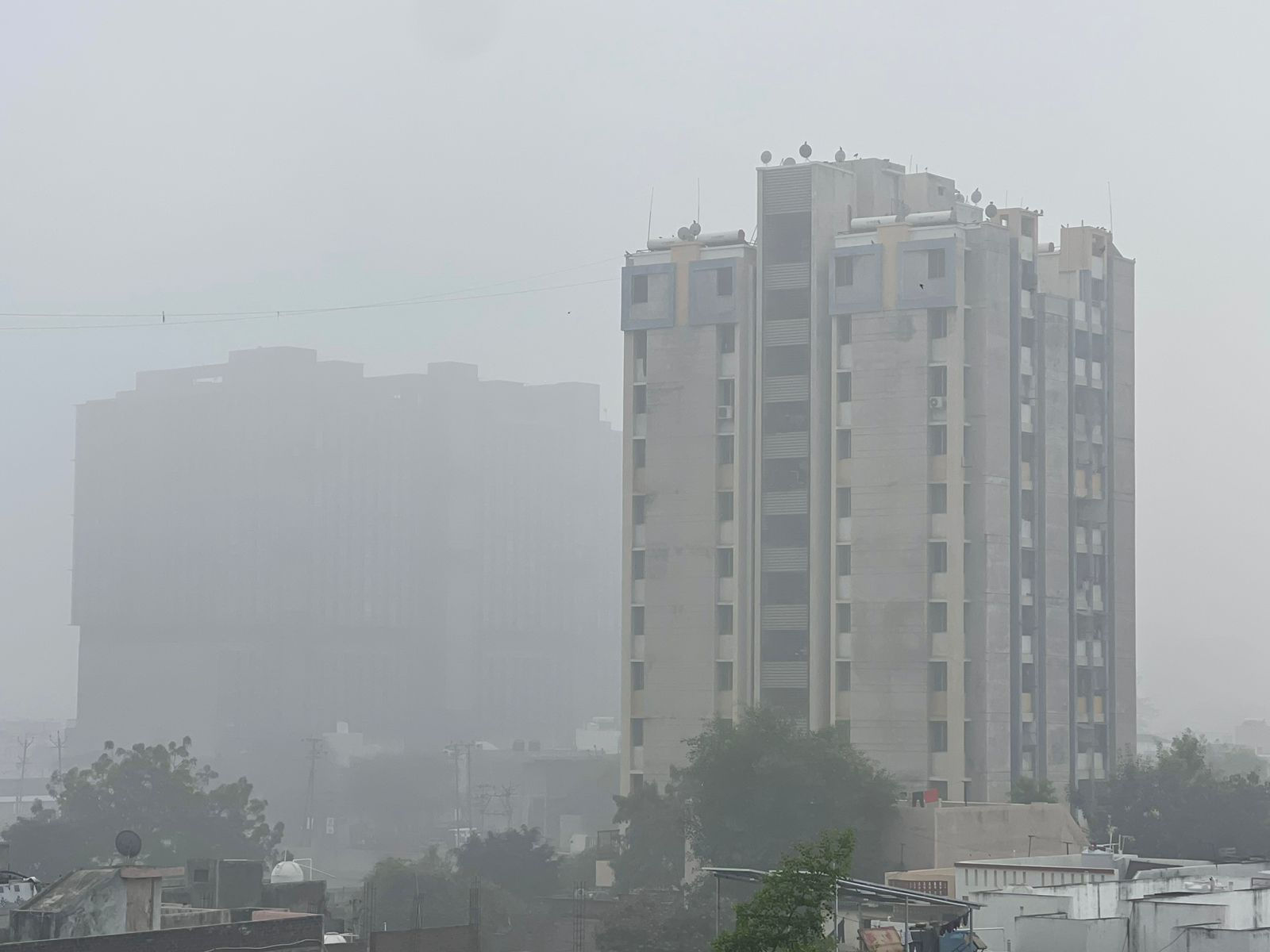
Gujarat’s winter nights have shown a patchwork of temperature variations, with Ahmedabad experiencing a notable rise to 17.6°C, surpassing seasonal norms. While some districts have faced cooler nights, others have recorded above-average warmth, highlighting the uneven thermal footprint across urban and rural landscapes, with potential implications for city planning, energy consumption, and climate resilience initiatives.
According to the India Meteorological Department (IMD), Naliya remained the coldest location in the state at 12.0°C, marginally below normal. Rajkot followed closely with a sharp dip to 14.3°C, nearly 1.7°C under its long-term average. In contrast, Bhuj registered 14.5°C, slightly above normal, reflecting microclimatic differences shaped by geography and local development patterns.Central Gujarat’s cities showed divergent trends. Baroda and Deesa both recorded 15.4°C; however, while Baroda stayed marginally below its usual minimum, Deesa remained nearly 2°C warmer than typical, illustrating north Gujarat’s relatively milder winter nights. Ahmedabad’s rise to 17.6°C and Gandhinagar’s 16.0°C point to urban heat amplification, where dense built environments and reduced green cover can elevate night-time temperatures, affecting energy demands and comfort levels.
The Saurashtra region presented another set of contrasts. Porbandar’s 15.6°C was cooler than average, whereas coastal and interior towns such as Diu (17.2°C), Amreli (16.2°C), and Veraval (20.1°C) experienced mild warmth. Dwarka remained slightly below normal at 19.0°C, while Okha’s 22.2°C aligned with climatological expectations, underscoring the influence of sea proximity and topography on local temperatures.South Gujarat’s Surat maintained moderate conditions, recording 19.6°C, around 1.4°C above the long-term minimum, reinforcing regional variation in night-time thermal loads. The IMD reported no rainfall during the monitoring period, while relative humidity levels fluctuated significantly between morning and evening, affecting human comfort, energy consumption, and water management considerations for cities.
Urban planners and climate experts note that such variations hold implications for sustainable city design. “Temperature anomalies, even short-term, influence energy use, health outcomes, and urban microclimates,” said a senior urban planner. Strategically increasing green cover, adopting reflective building materials, and integrating urban water bodies can help moderate night-time temperatures while supporting zero-carbon and inclusive urban development.
As Gujarat’s cities navigate winter, understanding these thermal patterns is critical for resilient infrastructure, efficient energy use, and equitable urban living. Observing and adapting to temperature fluctuations will be key to ensuring sustainable growth and comfort in densely populated urban areas.
