


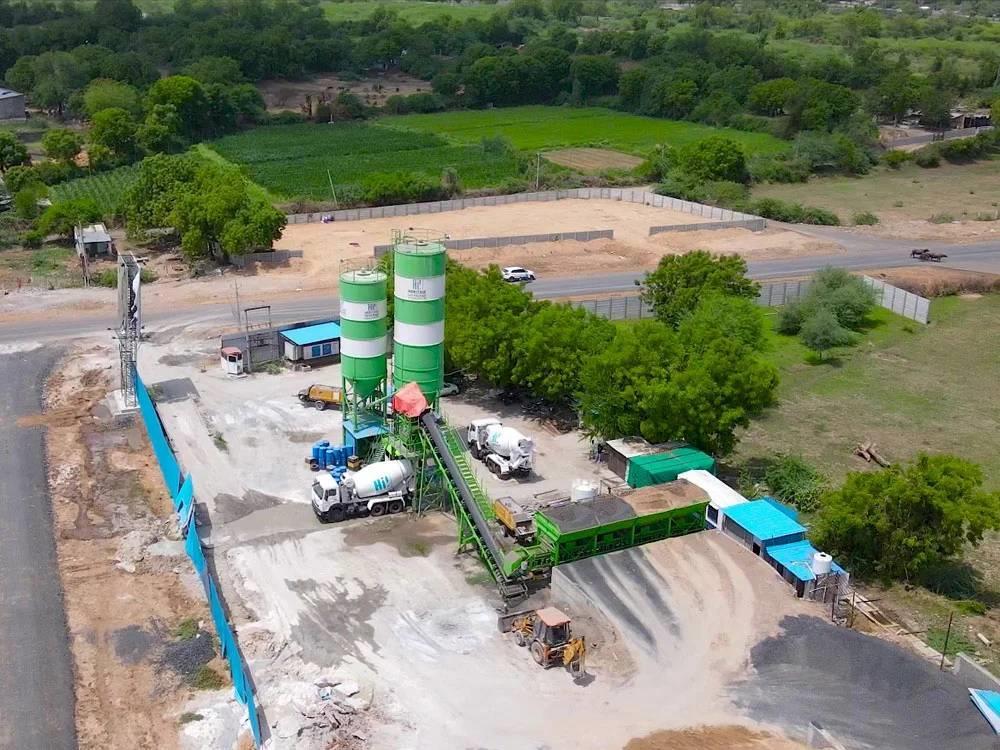
Ahmedabad RMC Plants in Environmental Breach
The Ahmedabad Urban Development Authority (AUDA) has sealed 10 Ready Mix Concrete (RMC) plants and issued notices to over 40 others for breaching key regulations concerning environmental standards and zoning laws. This action has raised concerns about the ongoing threats to public health and the city’s overall environmental well-being, especially in residential zones where these industrial operations are causing significant harm.The plants, which have long been operating near or within residential areas such as Godhavi, Thol, Shela, and Jaspur, are in direct violation of the Comprehensive General Development Control Regulations (CGDCR).
These regulations prohibit industrial operations like RMC plants from functioning in residential spaces due to their potential to degrade air quality, obstruct local roads, and damage the surrounding environment. For residents living in these areas, the operations of these plants have turned into a persistent source of frustration, with rising pollution levels, damaged infrastructure, and noise becoming everyday issues.
AUDA officials have noted that many of the plants had already been issued warning notices in the past but failed to take corrective action. Despite these warnings, the plants continued to operate without adhering to the requisite environmental and zoning standards, prompting the authority to seal them.
As per AUDA CEO DP Desai, these units are only permitted to operate in agricultural, industrial, and logistics zones, with necessary approvals from the Gujarat Pollution Control Board (GPCP) and local authorities. The current crackdown signals a strong stance on ensuring compliance with these stipulations and safeguarding the urban environment.
Moreover, the environmental impact of these plants has become a growing concern. Not only are they operating in contravention of land use regulations, but they are also ignoring basic pollution control measures. These plants have failed to install water sprinklers to curb dust emissions and green nets to reduce air contamination, directly contributing to the deterioration of the Air Quality Index (AQI) in surrounding areas. The lack of waste management protocols has also resulted in spillage of materials on roads, further exacerbating the risks posed to both the environment and public health.
While the closure of the 10 plants marks a significant enforcement step, the fate of the remaining plants still under scrutiny remains uncertain. AUDA has indicated that a board meeting will soon be convened to discuss the future course of action, including the establishment of a Standard Operating Procedure (SOP) for issuing No Objection Certificates (NOCs) to RMC plants that comply with the required standards.As cities like Ahmedabad continue to expand, this crackdown serves as a critical reminder of the need to balance industrial development with environmental sustainability. Ensuring that industries adhere to zoning laws and implement effective pollution control measures is crucial not just for maintaining public health but for fostering sustainable urban growth. The continued scrutiny of RMC plants may ultimately lead to better regulatory frameworks that protect both the environment and the residents of the city.
