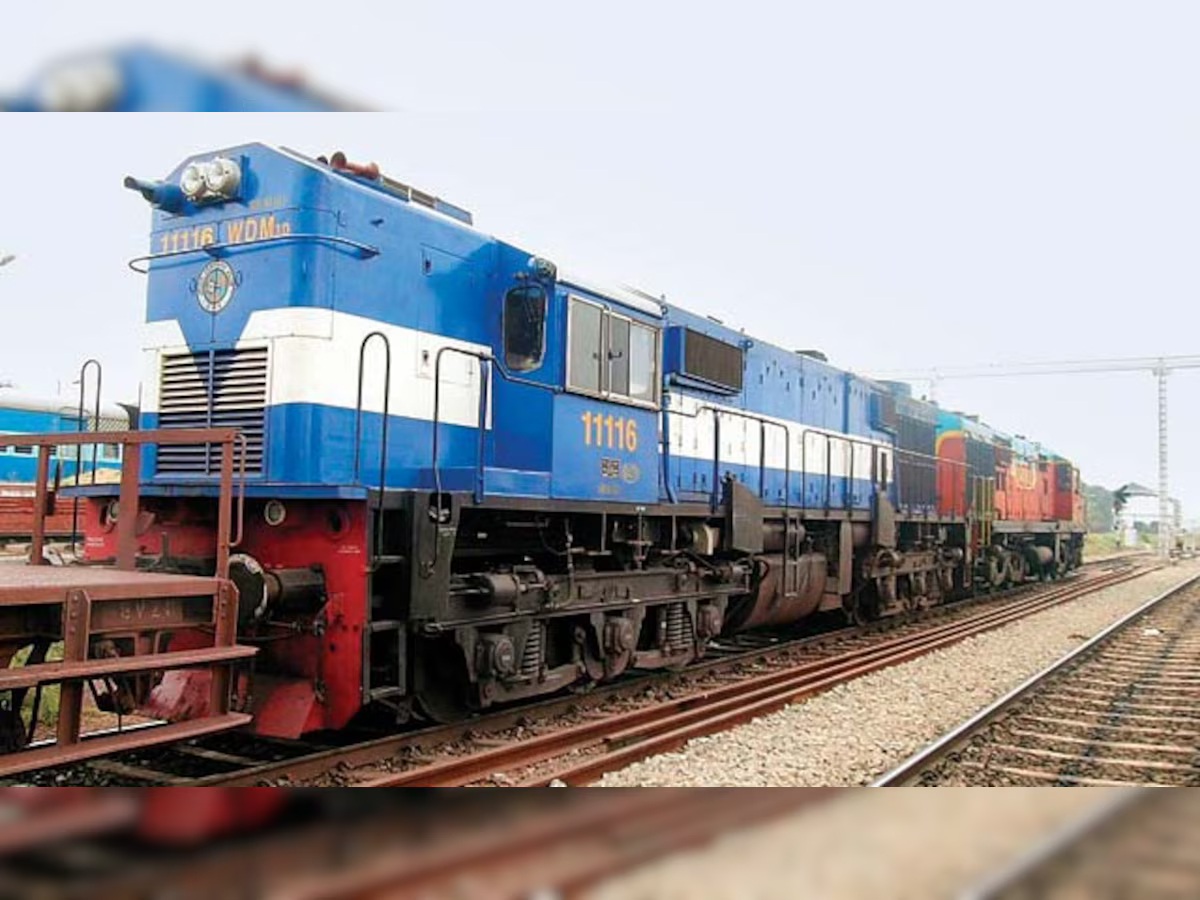
Ahmedabad has become the testing ground for India’s first LNG diesel dual fuel train India initiative, with suburban passenger services now operating using a blended fuel system designed to cut emissions and operating costs. The deployment at Sabarmati marks a significant step in the national rail network’s broader shift toward cleaner mobility solutions, particularly in densely populated urban corridors where pollution and fuel expenditure remain persistent challenges.
The upgraded Diesel Electric Multiple Unit (DEMU) integrates liquefied natural gas alongside conventional diesel, allowing nearly two-fifths of fossil fuel use to be substituted without a complete engine overhaul. For rail authorities, the technology represents a transitional pathway between legacy diesel fleets and fully electrified or hydrogen-powered alternatives. Urban planners note that such hybrid conversions could accelerate decarbonisation timelines in cities where full electrification of branch lines is economically or technically constrained.
Railway engineers involved in the project indicate that the power cars underwent extensive field testing over several thousand kilometres before being cleared for passenger operations. Early operational assessments suggest lower particulate emissions, reduced engine noise, and improved fuel efficiency benefits that are particularly relevant for stations located within residential neighbourhoods and mixed-use urban districts. These environmental gains also align with municipal air-quality targets increasingly being adopted by Indian cities seeking to meet climate resilience benchmarks. Industry experts observe that the LNG diesel dual fuel train India model offers financial advantages beyond emissions reduction. Liquefied natural gas, while requiring specialised storage infrastructure, typically delivers more stable pricing compared to diesel, potentially insulating public transport budgets from fuel volatility. In metropolitan regions where suburban rail carries millions daily, even marginal cost reductions can translate into significant annual savings, freeing resources for service expansion and infrastructure upgrades.
From an urban development perspective, the initiative underscores a growing policy emphasis on transitional green technologies that balance immediate feasibility with long-term sustainability goals. Rather than waiting for full electrification, transport agencies are increasingly experimenting with adaptable fuel systems that can operate within existing mechanical frameworks. This approach reduces capital expenditure while enabling quicker environmental gains, an important factor for secondary cities and regional corridors that often lag behind major metro networks in infrastructure investment. Looking ahead, transport analysts suggest that the success of dual-fuel systems could influence procurement strategies for future rolling stock, especially in routes linking satellite towns and industrial clusters. If performance metrics remain stable, the technology may be replicated across multiple commuter lines, gradually reshaping how India’s rail ecosystem approaches decarbonisation. For urban residents, the shift signals incremental but meaningful progress toward quieter stations, cleaner air, and more cost-efficient public mobility foundational elements of sustainable city growth.