Ahmedabad Rail Repairs Reshape Intercity Road Movement
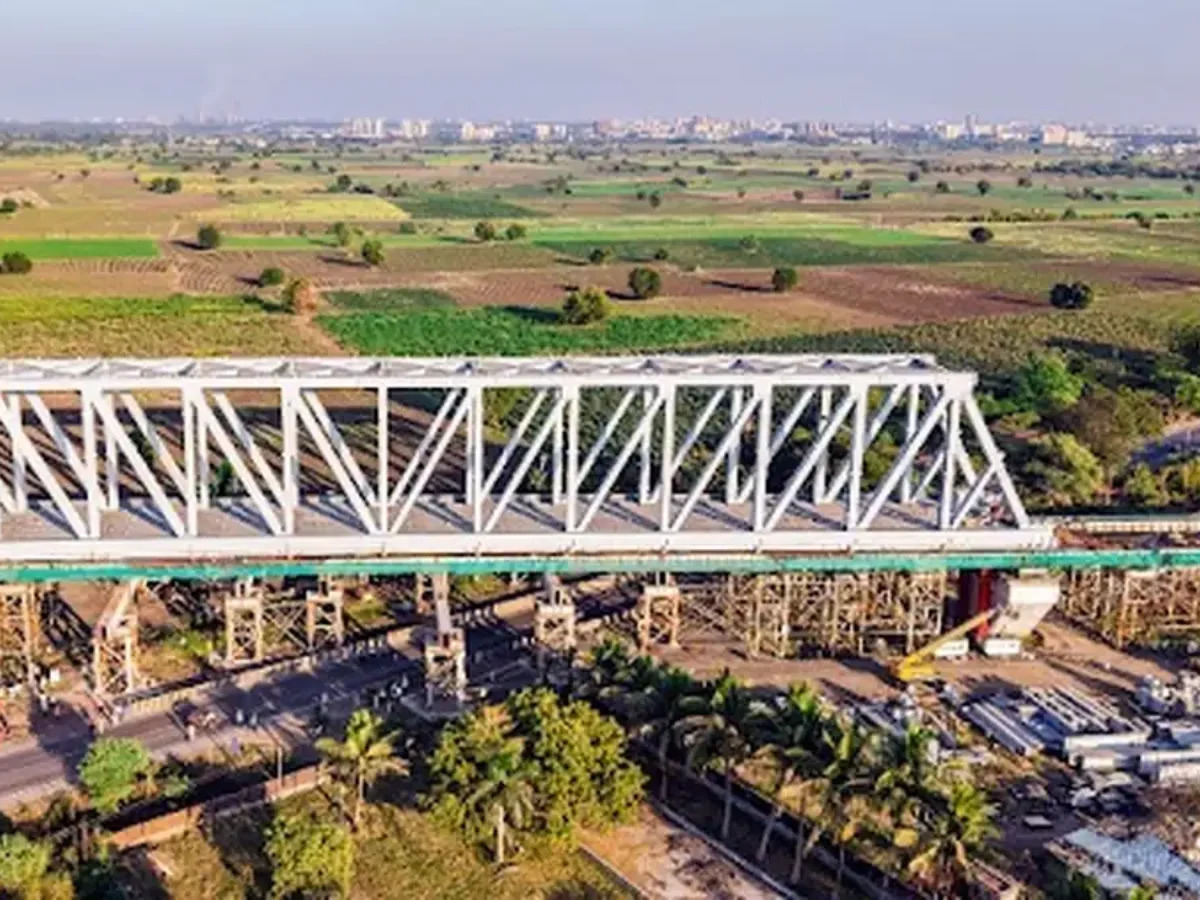
A temporary shutdown of a key transport corridor in Ahmedabad district is set to reshape mobility patterns across several rural and semi-urban communities, highlighting the fragile balance between infrastructure upkeep and everyday economic movement. Vehicular traffic on the Bagodara–Dhandhuka Highway will be suspended overnight into the following day to allow urgent rail-related maintenance, prompting authorities to activate a managed diversion plan across neighbouring towns.
The closure affects a strategic stretch that links agricultural markets, small manufacturing clusters, and logistics-dependent settlements in eastern Ahmedabad district. Officials overseeing district administration confirmed that the interruption will begin late evening on Tuesday and continue until early evening the next day, a window chosen to compress disruption while allowing technically complex repair work at a railway crossing to proceed safely. For commuters and freight operators, the Bagodara Dhandhuka Highway is more than a local connector. It serves as a feeder route to state highways and industrial supply chains that support ceramics, agro-processing, and warehousing activities. Urban planners note that even short-term closures on such corridors can ripple into fuel costs, delivery schedules, and informal labour mobility, especially where public transport alternatives remain limited.
To maintain continuity, traffic has been redirected through a sequence of interior roads passing via Arnej, Javaraj, Gundi, and Fedra. While functional, these routes are narrower and pass through populated settlements, underscoring the need for careful speed regulation and pedestrian safety. Transport experts point out that diversion planning in rural belts often tests road resilience, drainage quality, and signage factors increasingly relevant as climate variability places stress on secondary infrastructure. Enforcement agencies have been instructed to ensure strict compliance with the diversion order. District-level authorities have empowered on-ground police units to act against violations under prevailing legal provisions. From an urban governance perspective, such measures are intended to reduce accident risk and protect repair timelines, though they also spotlight the importance of clear communication with road users.
The episode reflects a broader challenge facing fast-growing districts on the edge of major cities. As rail and road networks age, routine maintenance becomes unavoidable, yet the social cost of closures remains high. Sustainable mobility specialists argue that future-proofing corridors like the Bagodara Dhandhuka Highway will require grade separation at crossings, better traffic forecasting, and investment in all-weather alternate routes. As repair work concludes, attention will likely return to longer-term solutions ones that reduce dependence on single links and build redundancy into regional transport networks. For residents and businesses alike, the disruption is temporary, but the lesson for planners is enduring: resilient infrastructure is as much about planning for interruptions as it is about building new capacity.