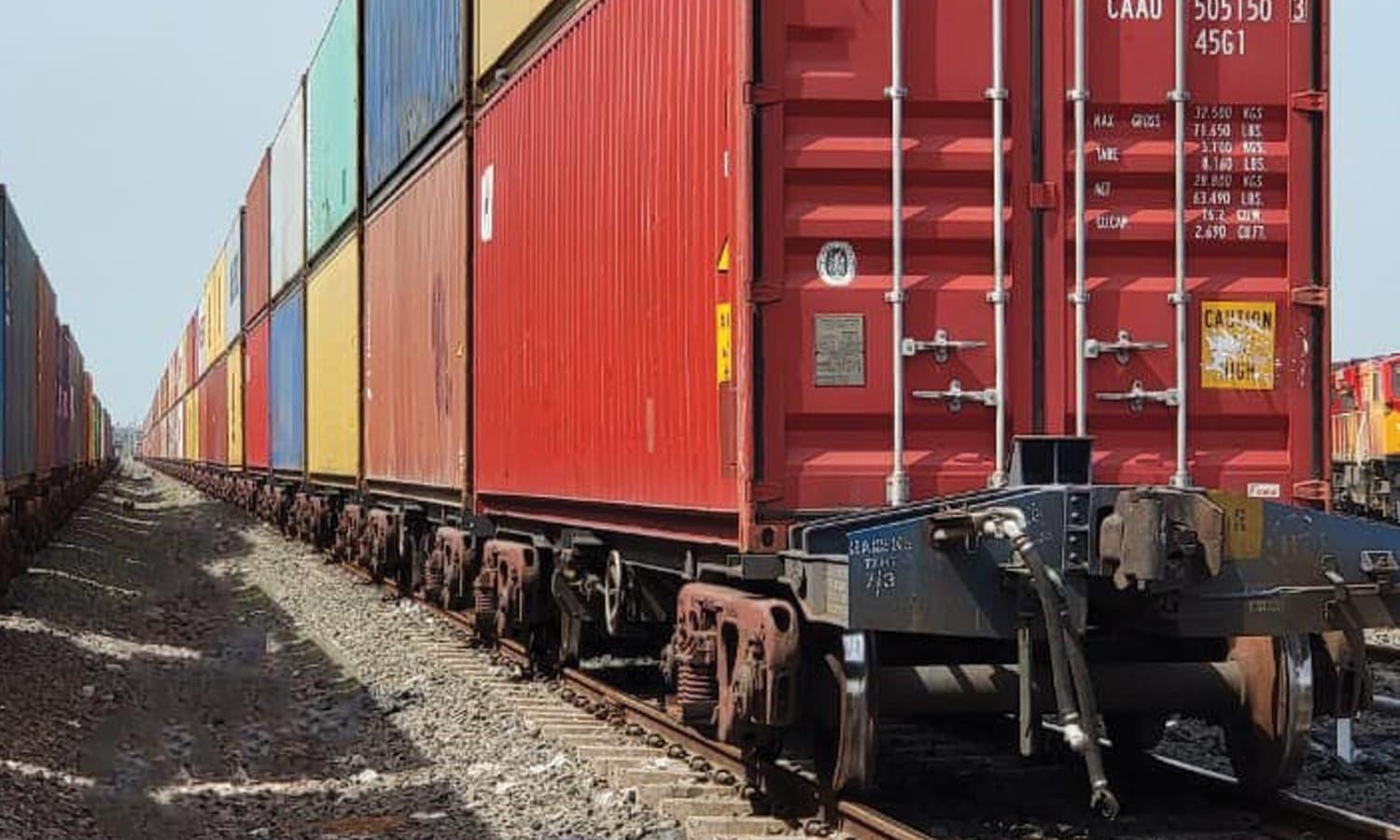
Ahmedabad’s railway freight network has moved more than three lakh passenger vehicles by train during the current financial year up to January, marking a significant shift in how automobiles are distributed across western India. The surge in rail car transport through the division signals a broader modal transition away from long-haul trucking, with implications for logistics costs, emissions and industrial planning.
Officials within the Ahmedabad Division of Western Railway confirmed that vehicle loading volumes have risen sharply over the past decade as manufacturers increasingly opt for rail-based dispatch. Nationally, rail’s share in automobile logistics has expanded from negligible levels to nearly a quarter of total car movement, reflecting coordinated investment in dedicated freight handling infrastructure. A central contributor to this growth has been the plant railway siding developed at Hansalpur in Gujarat, integrated into the division’s freight grid. The facility enables vehicles to be loaded directly from manufacturing units onto specialised automobile carriers, reducing dependence on road convoys and streamlining turnaround time.
Industry analysts say rail car transport offers measurable economic advantages. Transporting finished vehicles by train is estimated to be 15–20 per cent cheaper than by road over comparable distances, particularly when factoring in fuel costs, toll charges and driver availability. The model also improves fleet utilisation by consolidating large volumes in single rakes. Environmental gains are equally significant. Railway authorities estimate that the Hansalpur-linked operations have helped avoid roughly 1.7 lakh tonnes of carbon emissions by shifting cargo from diesel-powered trucks to electrified rail corridors. For a sector under pressure to decarbonise supply chains, rail car transport aligns with manufacturers’ climate commitments and emerging ESG benchmarks.
Urban planners point out that modal shift in freight movement has indirect civic benefits. Fewer car carriers on highways can ease congestion around industrial corridors and reduce wear and tear on arterial roads, lowering maintenance burdens for local authorities. It also enhances road safety by limiting heavy vehicle traffic in peri-urban growth zones. The Hansalpur initiative has received international attention as a model modal shift project, highlighting how integrated rail infrastructure can reshape industrial logistics ecosystems. Officials indicate that the success of the project is encouraging further development of private freight terminals and additional railway sidings within the division.
As Gujarat consolidates its position as an automobile manufacturing hub, efficient outbound logistics will remain central to competitiveness. The continued expansion of rail car transport capacity could determine how sustainably the region scales production, particularly as cities seek to balance economic growth with lower emissions and resilient infrastructure networks. For Ahmedabad’s rail division, the current volumes represent more than a freight milestone. They reflect a structural realignment in transport economics one that may define how industrial corridors evolve in an era of carbon accountability and infrastructure modernisation.
Ahmedabad Rail Freight Boosts Car Transport