Ahmedabad–Mehsana Highway Six-Lane Project Initiated with Provision for Future Eight-Lane Upgrade
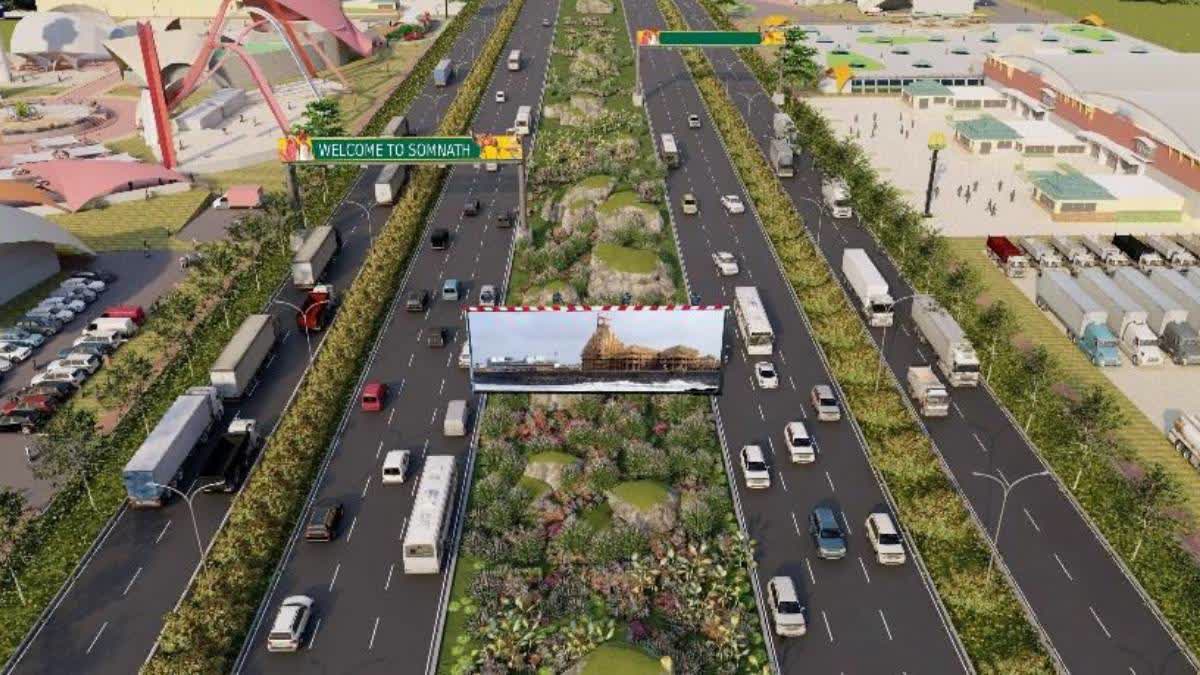
The Gujarat government has announced a provision for an eight-lane expansion on the Ahmedabad-Mehsana highway, a critical corridor currently planned for six-laning. This strategic decision, driven by public demand and expert consensus, represents a forward-thinking approach to urban planning and sustainable development. By anticipating future traffic growth, the state aims to ensure a smoother, more efficient, and eco-friendly transport network for decades to come.
The 52-kilometre stretch connecting Ahmedabad to Mehsana is a vital lifeline for both industrial and commuter traffic. However, the road has long been plagued by bottlenecks and congestion, a direct consequence of rapid urban, industrial, and real estate growth in the region. Local residents and elected representatives have consistently lobbied for an upgrade, arguing that a simple six-lane solution would be quickly overwhelmed by the ever-increasing traffic volume. The state’s decision to plan for a wider corridor acknowledges this reality and prioritises a long-term solution over a temporary fix.
From a business and sustainability perspective, this approach is a hallmark of resilient infrastructure planning. A senior government official noted that incorporating the eight-lane provision now requires only a marginally higher budget and a similar construction timeline. This proactive strategy is far more cost-effective and environmentally sound than a future retrofit, which would be prohibitively expensive, highly disruptive, and would lead to more carbon emissions from subsequent, fragmented construction. It reflects a shift from reactive problem-solving to strategic, sustainable asset management.
However, the ambitious plan is not without its challenges. Officials concede that providing for eight lanes and additional service roads will make land acquisition significantly more difficult. The corridor is lined with numerous shops and industries that have grown alongside the existing roadway, and their relocation could present substantial hurdles. This tension between the public interest in a wide, efficient highway and the private interests of businesses on the ground highlights a classic dilemma in urban development, which will require careful and equitable negotiation.
Ultimately, the decision to build a “future-ready” highway is a resounding endorsement of a sustainable and equitable city vision. By investing in a robust, high-capacity road network, the government is not only promising to ease commuter frustrations and reduce travel times but is also making a tangible commitment to reducing vehicle idling, cutting fuel consumption, and lowering urban carbon emissions. This move serves as a model for how thoughtful infrastructure planning can serve as a catalyst for environmental sustainability and long-term societal benefit.