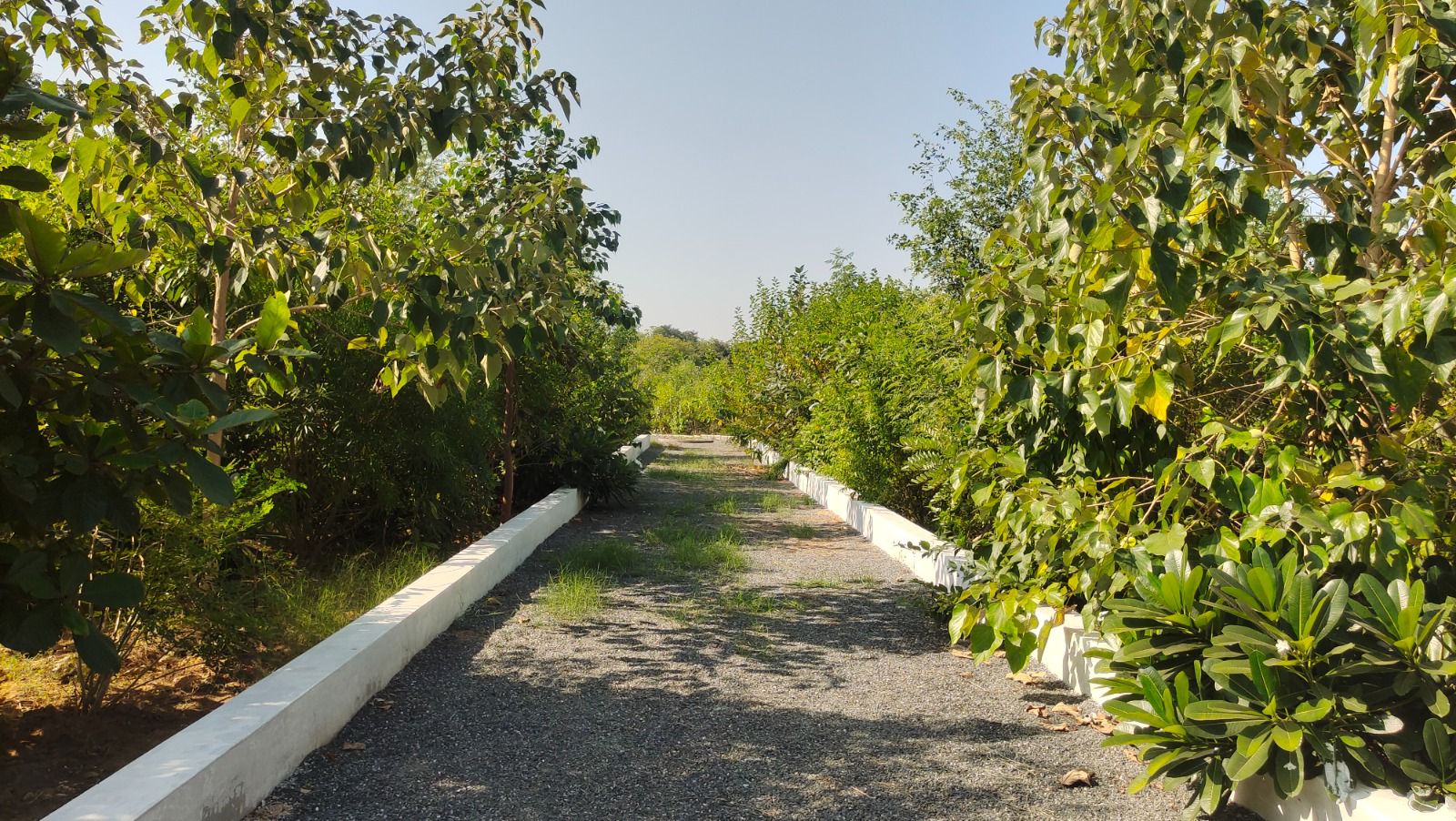
Ahmedabad mandates 5 Percent green cover, including 1 Percent Miyawaki urban forest
Ahmedabad, India’s burgeoning metropolis, is setting a precedent in urban sustainability with its pioneering mandate for green infrastructure in all forthcoming town planning schemes. The Ahmedabad Municipal Corporation (AMC) has decreed that a minimum of 5% of the total land in these schemes must be dedicated to green spaces. Crucially, at least 1% of this allocation is earmarked for Miyawaki forests, a method celebrated for its rapid growth and dense biodiversity, promising to accelerate the city’s journey towards ecological resilience. This strategic pivot is a direct response to the escalating urban heat island effect and persistent air quality concerns, reflecting a profound commitment to enhancing public health and environmental well-being.
The new regulations are not merely aspirational; they are backed by stringent compliance mechanisms. Any individual or developer engaged in tree felling will now be obligated to plant ten saplings as compensation, with a mandatory three-year survival clause to deter non-compliance. A refundable deposit of INR 5,000 per tree has also been introduced as a significant disincentive against illegal logging, underscoring the civic body’s resolute stance on environmental preservation. This robust framework aims to ensure that greening initiatives are not merely cosmetic but are deeply integrated into the city’s developmental ethos.
Beyond designated green pockets, the policy dictates a thoughtful integration of green infrastructure into the very fabric of Ahmedabad’s urban design. Roads exceeding 24 metres in width will now feature green central dividers complete with soil-filled tree pits, transforming concrete arteries into verdant avenues. Footpaths, crucial for pedestrian experience and local ecology, will be adorned with trees spaced every five metres, offering shade and contributing to cleaner air. Furthermore, the blueprint includes provisions for innovative green spaces such as rain gardens, oxygen parks, biodiversity parks, rooftop gardens, and ecological landscapes, promising a diverse and interconnected network of natural habitats within the city’s concrete expanse.
To champion this comprehensive greening agenda, the AMC has established an Urban Greening Advisory Committee. This multi-stakeholder body brings together representatives from the AMC itself, the Ahmedabad Urban Development Authority (AUDA), non-governmental organisations, seasoned urban planners, real estate developers under the Confederation of Real Estate Developers’ Associations of India (CREDAI), academic institutions, and leading civil society experts. This collaborative approach ensures that diverse perspectives inform policy implementation and foster a shared responsibility for the city’s ecological future. Complementing this, ward-level “Green Committees” are being formed to ensure grassroots-level implementation, community engagement, and sustained monitoring, fostering a sense of ownership among residents.
Ahmedabad’s proactive stance on increasing its green cover aligns with global imperatives for sustainable urbanisation. The city has grappled with the tangible impacts of diminishing green spaces and unchecked urban sprawl, witnessing a discernible rise in temperature levels and deteriorating air quality. Industry experts and environmentalists concur that consistent urban afforestation can significantly mitigate the heat island effect, improve local biodiversity, reduce stormwater runoff, and ultimately elevate the overall quality of urban life for all inhabitants, fostering a more resilient and liveable city for generations to come. This policy signals a transformative shift towards a zero-net carbon and eco-friendly urban paradigm.