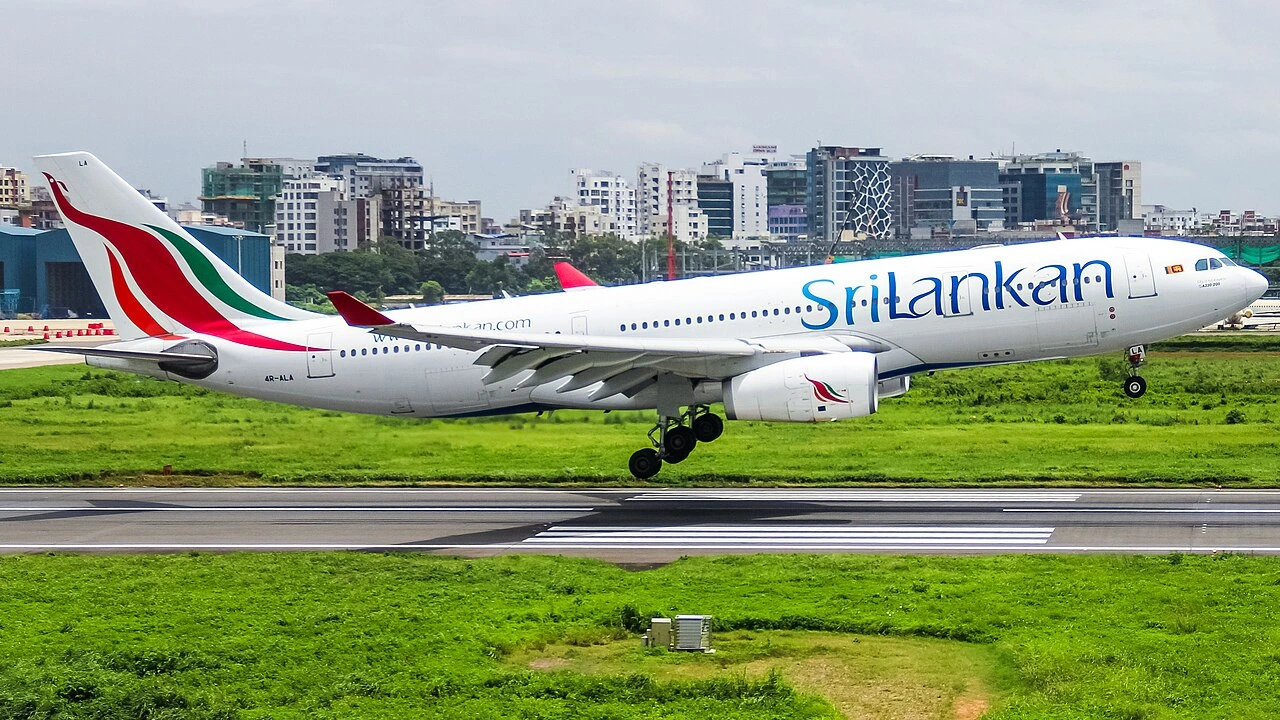
SriLankan Airlines is expanding its India operations with the planned addition of Ahmedabad as its tenth destination in the country, reinforcing India’s position as the carrier’s largest overseas market. The move reflects deepening aviation and tourism linkages between the two neighbours and signals growing demand from western India for direct access to Colombo and onward global routes.
India currently accounts for nearly a third of the airline’s total passenger volumes and contributes significantly to inbound arrivals to Sri Lanka. With close to 90 weekly services already connecting major Indian cities to Colombo, the airline’s decision to add Ahmedabad marks a strategic push into a high-growth commercial region. Aviation analysts note that Ahmedabad has evolved into a major economic centre, driven by manufacturing, pharmaceuticals, financial services and a rising outbound travel segment. Direct connectivity to Colombo is expected to support leisure travel, corporate exchanges and visiting friends and relatives traffic, while also offering smoother transit options to destinations in the Middle East, Europe, Australia and Southeast Asia.
The airline’s India expansion strategy balances established metropolitan hubs such as Delhi, Mumbai, Chennai and Bengaluru with emerging markets that demonstrate strong year-round demand. Industry experts estimate that the addition of Ahmedabad could lift Indian passenger traffic on the network by double digits this year, strengthening route economics through higher load factors and diversified origin points. Approximately 30 per cent of Indian travellers using the airline transit through Colombo for onward journeys. This hub-and-spoke structure enhances connectivity between secondary Indian cities and global destinations without requiring direct long-haul services from each origin. Aviation planners argue that such models are particularly relevant for cities like Ahmedabad, where international capacity is expanding but remains selective.
The airline’s growth in India also aligns with broader tourism cooperation between the two countries. Cultural circuits, heritage tourism and spiritual travel continue to drive demand, supported by coordinated marketing initiatives between aviation and tourism authorities. At the same time, improved air links can stimulate bilateral trade, business travel and investment flows, contributing to regional economic integration. From a sustainability perspective, industry observers stress that aviation growth must be accompanied by investments in fuel-efficient fleets and airport infrastructure upgrades. As Ahmedabad’s passenger volumes rise, ensuring seamless surface connectivity to the airport and improving terminal efficiency will be crucial to managing environmental impact and commuter experience.
Bookings from India are split between digital channels and traditional travel partners, reflecting a diverse distribution strategy. As airlines recalibrate post-pandemic networks, western India’s expanding middle class and outbound appetite are reshaping route maps across South Asia. With Ahmedabad entering the network, the next phase will depend on frequency optimisation, competitive pricing and infrastructure readiness on both ends. For cities seeking stronger regional and global integration, sustained air connectivity remains a critical enabler of economic and social exchange.
Ahmedabad Joins SriLankan Airlines India Network