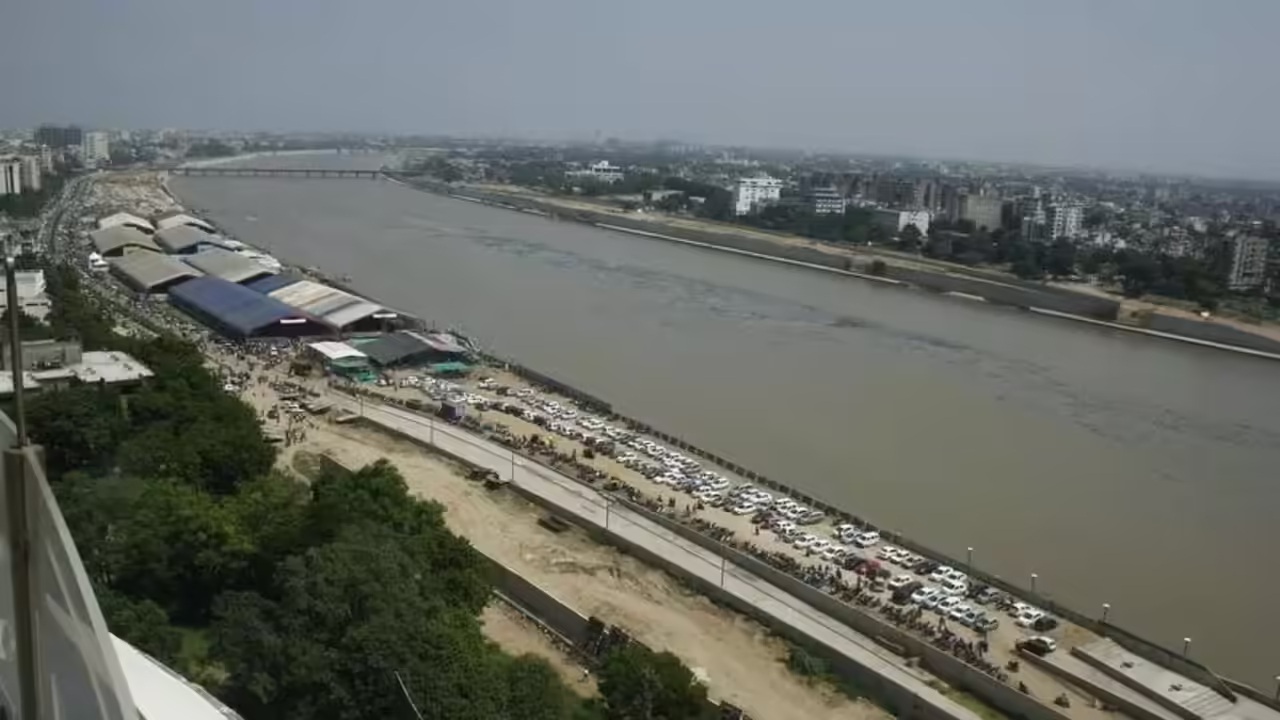
Ahmedabad Infrastructure Plan Tested by Water Release
Ahmedabad’s ambitious effort to modernise a critical irrigation and stormwater corridor has hit an unexpected pause, underscoring the growing challenge of balancing urban infrastructure delivery with rural water security. Construction on a major canal redevelopment in the city’s eastern zone was halted after irrigation flows were restored to meet seasonal agricultural demand, disrupting work at a near-finished stretch of the project.The ₹1,200-crore canal transformation programme is designed to convert an open irrigation channel into a boxed structure that can safely carry water while freeing up land for roads, utilities, and flood-resilient urban development.
City officials say work was nearing completion at a sensitive section when water was suddenly released into the canal, forcing contractors to demobilise equipment and suspend activity indefinitely. Urban infrastructure planners note that such projects sit at the intersection of climate adaptation and economic growth. The canal upgrade is intended to reduce flooding risk, improve sanitation outcomes, and support planned development in densely populated neighbourhoods that have historically faced waterlogging and environmental stress. Any interruption, they warn, increases both cost exposure and execution risk. From the irrigation department’s perspective, the decision reflects mounting pressure from the agrarian belt surrounding the city, where farmers rely on canal water during critical cropping periods.
With prolonged construction timelines already testing patience, water allocation became a politically and socially sensitive issue. Officials involved in the decision-making process indicated that agricultural demand could not be deferred further without economic consequences for farming households. Municipal engineers, however, expressed concern that allowing water to flow through an active construction zone could compromise structural integrity and safety. Temporary supports, excavated soil, and unfinished sections remain within the canal bed, raising the risk of material displacement and future rework. Industry experts estimate that even a short suspension could escalate project costs due to remobilisation, material damage, and revised construction sequencing. The episode highlights a recurring governance challenge in fast-growing Indian cities: infrastructure projects often span multiple agencies with differing mandates, timelines, and accountability frameworks.
Without integrated planning, climate-resilient investments risk being undermined by operational conflicts rather than technical limitations. Urban development analysts argue that canal modernisation projects are no longer just engineering exercises. They are foundational to sustainable land use, equitable access to infrastructure, and disaster preparedness in cities facing erratic rainfall and rapid densification. Ensuring uninterrupted execution, they say, requires clearer protocols for inter-departmental coordination, especially where urban systems overlap with rural lifelines. As authorities assess next steps, the focus will be on stabilising the construction zone, minimising financial exposure, and identifying a workable schedule that accommodates both irrigation needs and urban resilience goals. How Ahmedabad navigates this pause may offer important lessons for other cities attempting to align infrastructure growth with climate and livelihood realities.