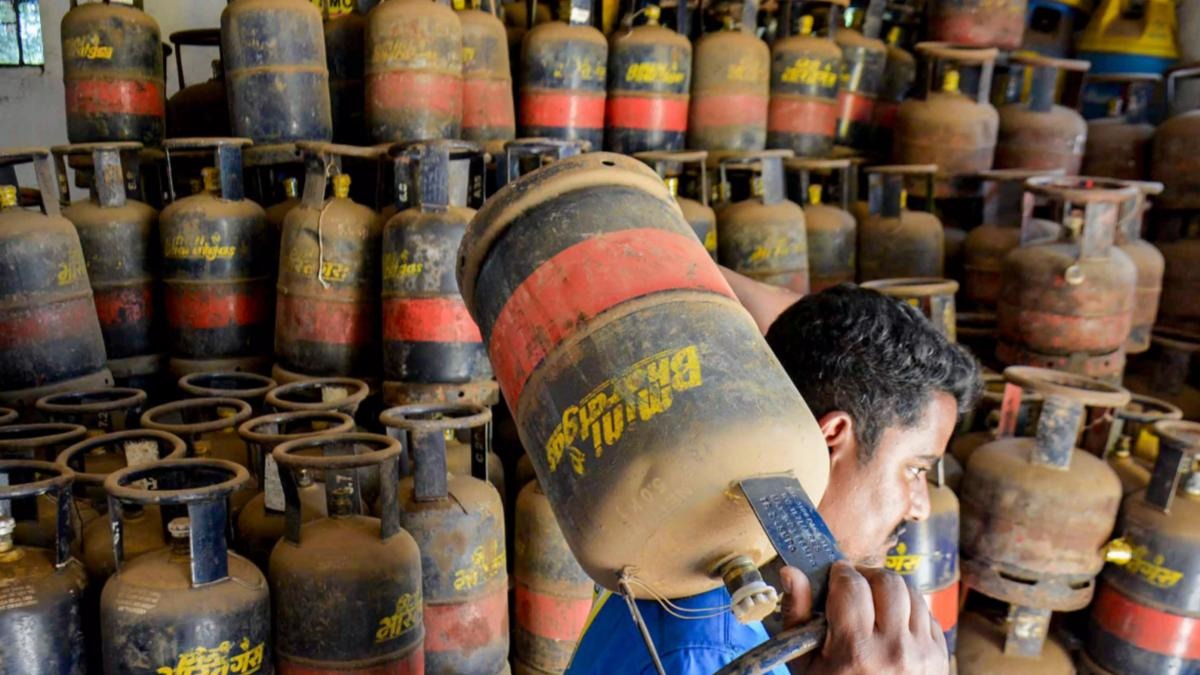
A sudden reduction in industrial natural gas allocation has disrupted kitchen operations across Ahmedabad’s food service sector, forcing many restaurants to rapidly adjust cooking methods and supply chains. The Ahmedabad gas supply cut, implemented amid international energy disruptions linked to tensions in West Asia, has reduced fuel availability for commercial users and raised concerns about the stability of daily restaurant operations in the city.
Industry associations representing hospitality businesses estimate that thousands of eateries depend either directly or indirectly on commercial gas cylinders. With the Ahmedabad gas supply cut limiting availability, restaurants are now competing for scarce supplies while exploring alternative cooking technologies to keep kitchens operational. Hospitality sector representatives say Ahmedabad’s food ecosystem includes more than ten thousand restaurants, cafés and street-food outlets. A significant share of these businesses depend on commercial liquefied petroleum gas cylinders for daily cooking, making them particularly vulnerable to supply disruptions. Restaurant operators indicate that most establishments maintain limited gas inventory due to storage constraints and safety regulations. As a result, even a short-term interruption in supply can quickly affect service capacity, particularly during peak dining hours.
Several food businesses have begun experimenting with induction-based cooking systems as a temporary measure. However, chefs and kitchen managers report that switching from gas to electric cooking requires changes in equipment and cooking vessels. Some high-volume food preparations—especially those requiring strong flame-based heat—are difficult to replicate using induction units. The Ahmedabad gas supply cut has also triggered a sharp increase in prices for commercial cylinders in the open market. Industry observers report that limited supply has created a temporary shortage, pushing up costs and placing additional financial pressure on restaurant operators already dealing with tight margins.
Restaurants connected to piped natural gas infrastructure appear slightly better positioned, though they too are experiencing rising energy costs as supply tightens. Energy analysts note that urban gas networks prioritise residential and essential sectors during supply constraints, which often leaves commercial users facing reduced allocations. From an urban infrastructure perspective, the disruption highlights the vulnerability of city service sectors to global energy fluctuations. Food businesses are among the most energy-dependent components of the urban economy, relying heavily on stable fuel supplies for daily operations.
Urban sustainability experts suggest that the Ahmedabad gas supply cut could accelerate the hospitality sector’s exploration of diversified energy solutions. Electric cooking systems powered by renewable energy, energy-efficient appliances and hybrid kitchen technologies are gradually emerging as alternatives that reduce dependence on fossil fuel-based fuels.
However, such transitions require time and investment. Small and medium-sized restaurants, which form the backbone of Ahmedabad’s food economy, often operate with limited capital and may struggle to immediately adopt new infrastructure. Economists warn that prolonged fuel disruptions could have ripple effects beyond restaurants, potentially affecting employment, food delivery services and the wider urban hospitality ecosystem. For now, many establishments are adjusting menus, prioritising dishes that require less energy-intensive cooking while trying to maintain service continuity. As energy markets stabilise, policymakers and industry groups are expected to assess how urban commercial sectors can build greater resilience to future supply shocks. The Ahmedabad gas supply cut therefore serves as a reminder that reliable urban energy systems are not only critical for households and industry, but also for sustaining the everyday economic life of cities.
Ahmedabad Gas Supply Cut Disrupts Restaurant Kitchens