


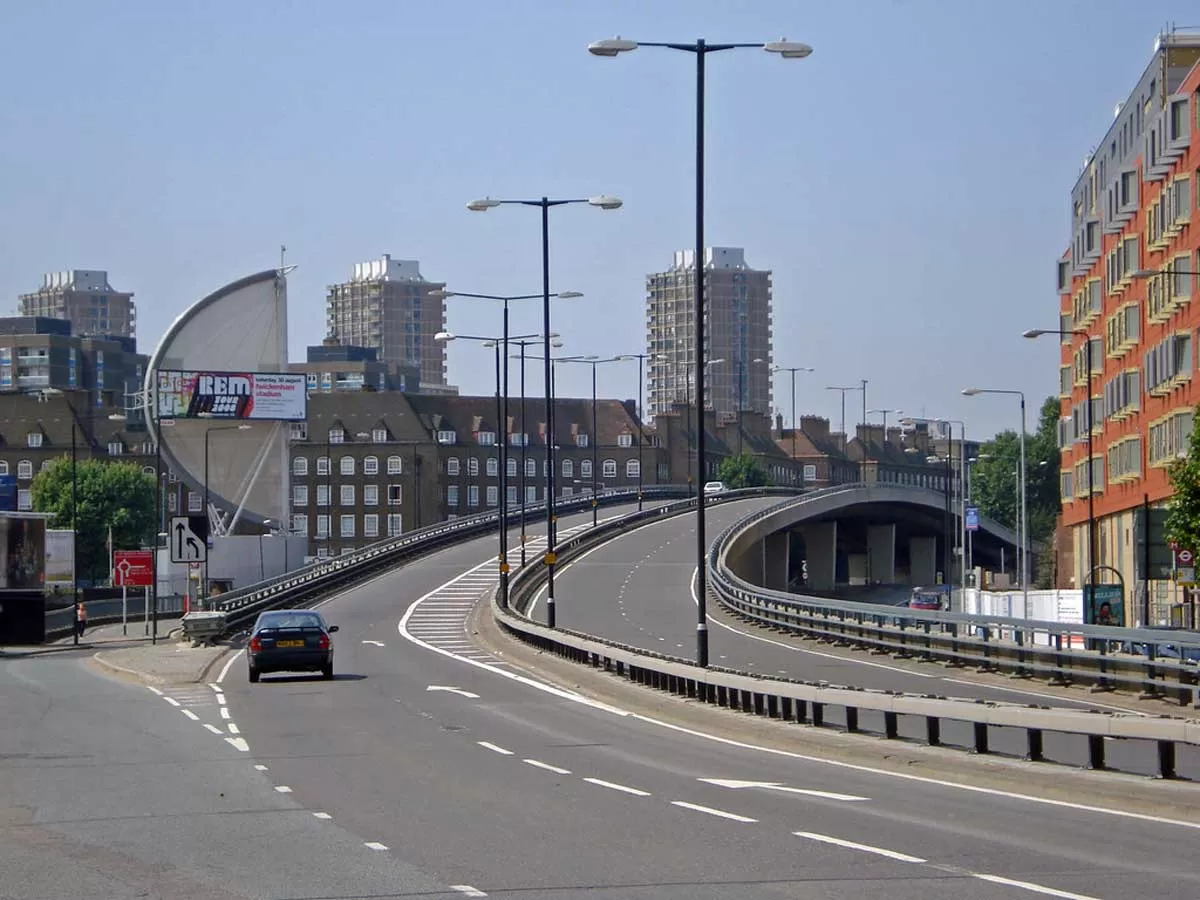
Ahmedabad today marked a significant stride in its urban development landscape with the inauguration of a new flyover at the bustling Pragatinagar junction in Naranpura, built at an investment of Rs 1.17 billion.
This infrastructure enhancement is poised to alleviate traffic congestion and streamline daily commutes for thousands of residents. Concurrently, a much broader national initiative is accelerating India’s transition towards a zero-net carbon, eco-friendly, and sustainable future, particularly in urban mobility, underscored by the imminent deployment of over 1,200 electric buses across multiple states. These developments collectively highlight India’s resolve to build more equitable and liveable cities. The new flyover, completed by the Ahmedabad Municipal Corporation (AMC), represents a crucial upgrade to the city’s transport infrastructure. Union Home and Cooperation Minister Amit Shah, also the Member of Parliament from Gandhinagar, lauded the project as a catalyst for urban growth and improved traffic flow. By easing commuter burdens, such infrastructure revitalisation indirectly contributes to reduced vehicle idling time, marginally lowering emissions and enhancing the overall quality of urban air. More importantly, it ensures more efficient connectivity, providing equitable access to business districts, educational institutions, and healthcare facilities for all citizens.
A pivotal thrust towards greener urban landscapes is evident in the substantial order for over 1,200 electric buses awarded to GreenCell Mobility under the ambitious PM E-Bus Sewa Scheme. This initiative is a cornerstone of India’s strategy to decarbonise its public transport sector. Specifically, 472 Eicher electric buses are earmarked for deployment across six cities in Madhya Pradesh, while 750 buses from Pinnacle Mobility Solutions will serve 11 cities in Andhra Pradesh. As zero-emission vehicles, these electric buses will directly mitigate urban air pollution, improve public health outcomes, and significantly lower the carbon footprint of mass transit, ushering in a cleaner, quieter commute for millions. Beyond public transport, the shift towards electric mobility is gaining traction in the private vehicle segment. Tata Motors, a prominent player in India’s automotive industry, remains steadfast in its commitment to expanding electric vehicle (EV) adoption. Despite a 10 per cent dip in EV sales to approximately 65,000 units in the last financial year, the company is poised to launch new EV models, including the Harrier.ev and Sierra.ev, and refine existing offerings. Tata Motors’ sustained focus on leading EV growth in the passenger car segment is instrumental in promoting cleaner individual mobility, contributing to reduced tailpipe emissions and a more eco-friendly urban environment.
While the primary focus remains on sustainable urban development, India’s broader progress also encompasses advancements in critical sectors such as defence. Bharat Electronics Limited (BEL), operating under the Ministry of Defence, has recently secured new orders valued at Rs 5.72 billion. These orders include sophisticated technologies such as Integrated Drone Detection and Interdiction Systems, Software Defined Radios, and Data Communication Units for attack systems. Additionally, BEL is developing artificial intelligence-based tools for naval ships, advanced training simulators, and devices for signal blocking. Such investments in national security underpin a stable environment, which is fundamental for sustained economic growth and the successful implementation of green and equitable development initiatives across the nation. In essence, India’s multifaceted infrastructure drive, from enhancing urban road networks to a robust push for electric public and private transport, signifies a comprehensive strategy for national betterment. These initiatives, particularly those championing electric mobility, are critical enablers for creating zero-net carbon and eco-friendly cities, providing cleaner air and more efficient, equitable transport solutions for all.
As India continues to modernise, these strategic investments lay the groundwork for a future where economic prosperity is harmoniously intertwined with environmental responsibility and inclusive urban living.
Also Read: Bengaluru battles dengue surge monsoon rains demand swift public action
