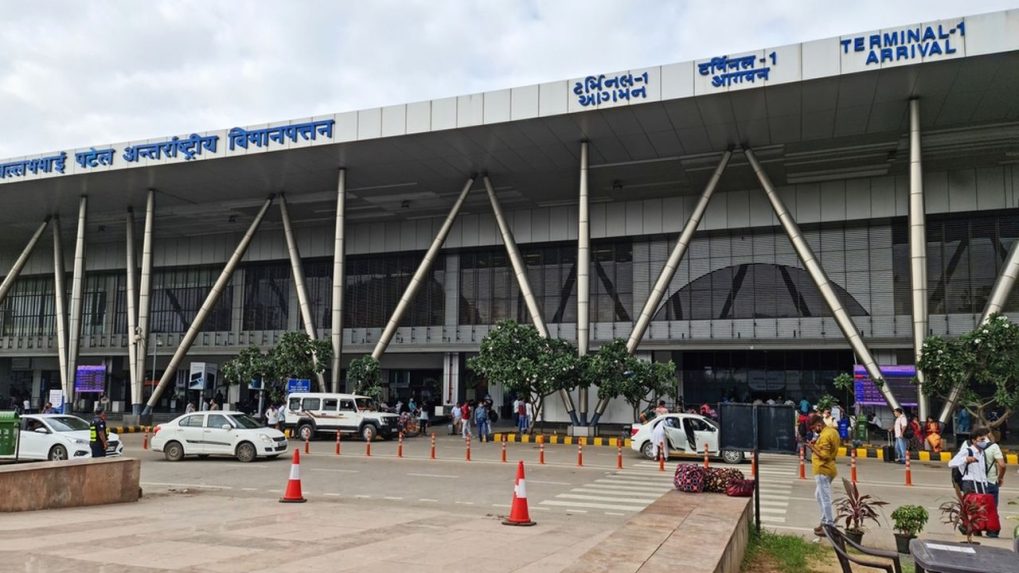
Ahmedabad’s Sardar Vallabhbhai Patel International Airport generated more than ₹345 crore in a single financial year through the User Development Fee (UDF), underlining the growing cost burden embedded in air travel from the city. The sharp escalation in the Ahmedabad Airport User Development Fee over recent years is now drawing attention to how airport financing models intersect with affordability, infrastructure delivery and regulatory oversight. According to official data for 2024–25, domestic passengers at Ahmedabad currently pay ₹450 per ticket as UDF, while international travellers are charged ₹880. The levy, collected as part of the airfare, is intended to support capital expenditure, infrastructure upgrades and passenger amenities at privatised airports.
However, the pace of revision has been striking. In 2020–21 and 2021–22, passengers paid ₹85 irrespective of destination. The fee was subsequently revised upward in phases, reaching ₹250 for domestic and ₹550 for international passengers in 2022–23 and 2023–24. The latest increase has taken the Ahmedabad Airport User Development Fee to its highest level yet, more than five times the pre-pandemic rate for domestic flyers. Comparisons with other metro and non-metro airports reveal wide disparities. Mumbai levies significantly lower domestic UDF, while some smaller airports impose substantially higher charges, particularly on international passengers. Srinagar records one of the highest domestic UDF rates, and Kannur leads in international levies. These variations reflect differences in traffic volumes, capital expenditure cycles, concession agreements and regulatory approvals.
Industry analysts note that UDF is a key revenue stream for airport operators, especially where large infrastructure investments are underway or recently completed. Passenger-funded models reduce reliance on public funds but transfer the cost of expansion directly to users. In high-growth aviation markets such as Gujarat, rising passenger numbers amplify these collections into sizeable annual revenue pools. Oversight of airport tariffs falls under the Airport Economic Regulatory Authority of India (AERA), which evaluates capital expenditure proposals, service benchmarks and rate structures before approving revisions. Urban planners argue that transparent linkage between fee hikes and tangible service improvements is essential to maintain public trust. Investments in energy-efficient terminals, resilient drainage systems, public transport integration and inclusive passenger facilities are increasingly part of that scrutiny.
The broader debate extends beyond ticket pricing. As Indian cities position themselves as global business and tourism hubs, airport infrastructure plays a critical role in economic competitiveness. Yet escalating charges risk affecting regional connectivity and travel affordability, particularly for price-sensitive domestic flyers. With passenger traffic expected to grow steadily over the coming decade, regulators and operators face a delicate balance: financing modern, climate-ready aviation infrastructure while ensuring that user charges remain proportionate and equitable. How that balance is managed in Ahmedabad may offer an early signal for similar growth corridors across India.