Ahmedabad Expands Transport For Junagadh Religious Event
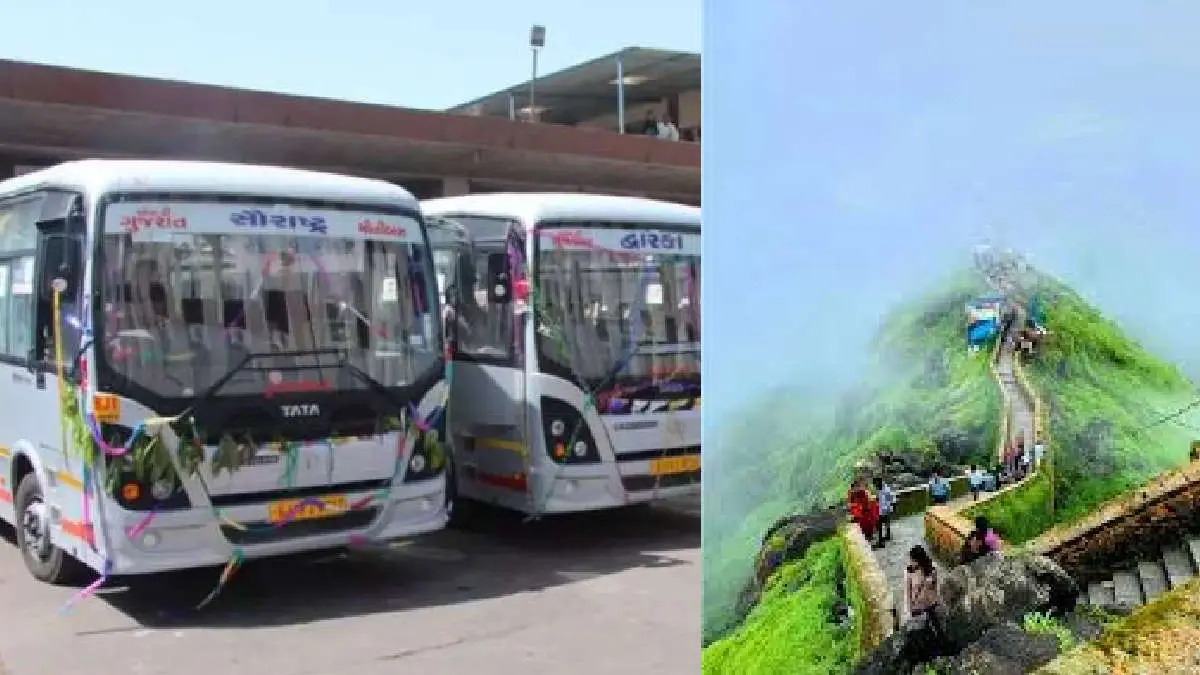
Ahmedabad the Bhavnath Mahashivratri fair in Junagadh district is set to commence on February 11, prompting extensive transport and urban management measures to handle the anticipated surge of devotees and tourists. State transport authorities have announced the deployment of 195 additional buses, amounting to more than 7,800 trips, aimed at ensuring smooth connectivity from Junagadh and surrounding districts to the Girnar foothills.
The five-day festival, held at the historic Bhavnath temple, attracts thousands of participants, including ascetics, spiritual leaders, and cultural performers. City and district administrations have coordinated with the state pilgrimage development board to integrate traffic management, security, and public services, highlighting the logistical demands of mass religious gatherings in semi-urban settings. Urban planners note that the temporary influx places significant pressure on local infrastructure, including road networks, water, sanitation, and emergency services. “Events of this scale require meticulous coordination between transport, civic services, and law enforcement to maintain order while minimising environmental and social impacts,” said a senior official overseeing city mobility. Special routes, barricading, and crowd management measures have been deployed to ensure both safety and accessibility.
From an economic perspective, the fair stimulates regional micro-economies. Local vendors, hospitality operators, and cultural artisans benefit from heightened demand, while increased mobility supports ancillary industries such as logistics and small-scale retail. Experts point out that incorporating sustainable practices like optimised bus deployment and controlled vehicle inflow, can mitigate the carbon footprint associated with high-density events, aligning with broader goals for climate-resilient urban planning. For the first time, the festival programme includes a ‘Damru Yatra’, emphasising a blend of cultural tradition and community engagement. This addition reflects a growing trend in large-scale religious gatherings: integrating cultural narratives and heritage preservation within the operational framework of urban and semi-urban event planning.
City authorities have also expanded safety, sanitation, and digital monitoring mechanisms to accommodate the five-day event. Light-and-sound shows and cultural performances are scheduled alongside ritual activities, requiring a delicate balance between preserving heritage and managing crowds sustainably. Analysts highlight that events of this scale offer an opportunity for long-term improvements in regional transport planning, urban infrastructure, and resource allocation. As the Bhavnath Mahashivratri fair unfolds, lessons learned in crowd management, mobility planning, and sustainable event operations could inform future large-scale gatherings across Gujarat and other states, bridging heritage conservation with modern urban resilience strategies.