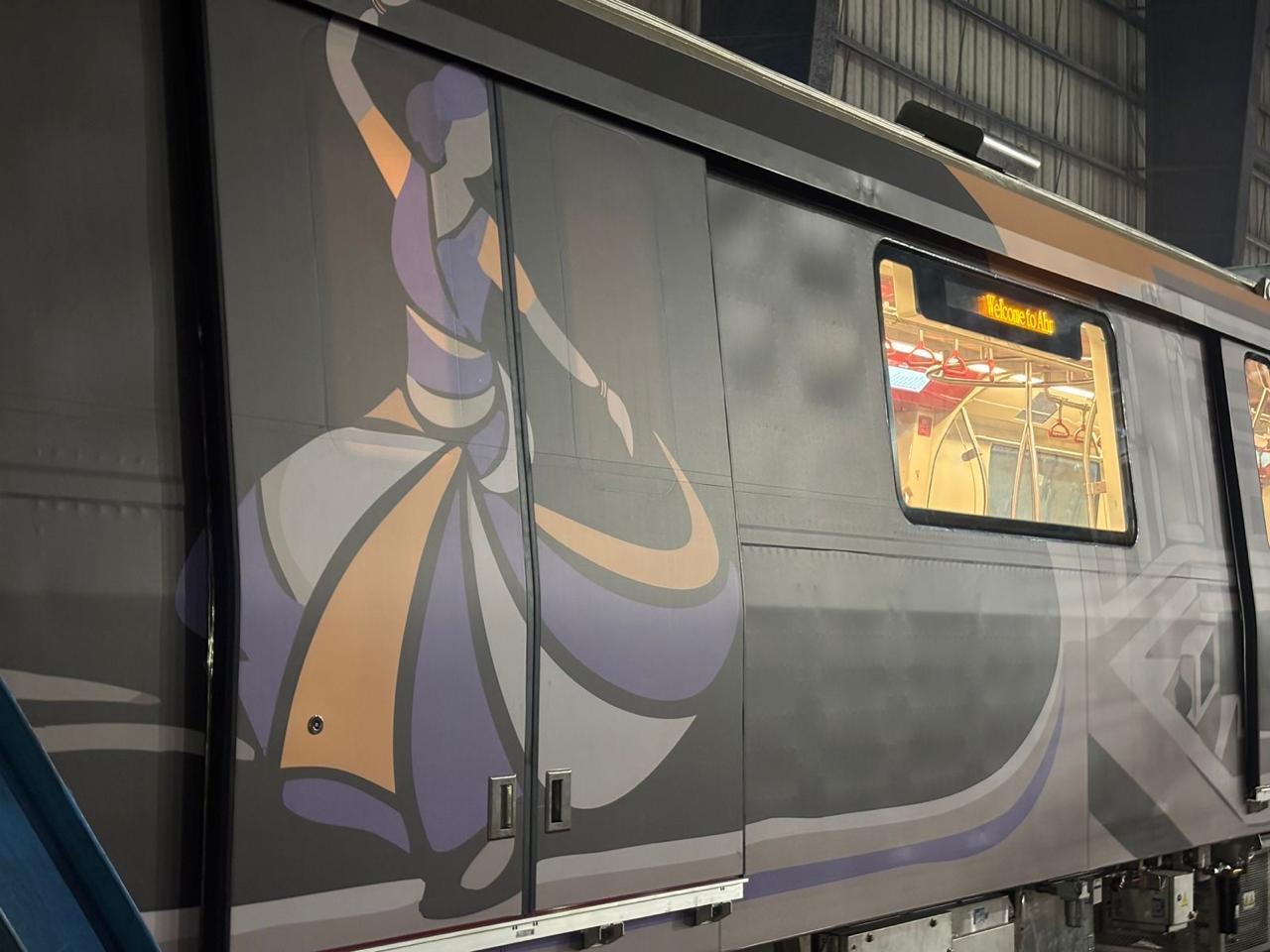
Ahmedabad’s urban transit system is preparing for a technological shift as authorities move to introduce driverless metro trains to strengthen rail-based mobility across Gujarat’s growing metropolitan regions. A new order for 34 advanced train sets is expected to support the next phase of the Ahmedabad Metro network while also supplying rolling stock for the upcoming Surat Metro, marking a significant step in modernising public transport infrastructure in the state.
Transport officials say the deployment of driverless metro trains could help improve punctuality, operational efficiency and passenger safety while enabling higher service frequency on expanding metro corridors. The train sets are currently under production at a rail manufacturing facility in eastern India operated by a domestic rolling stock manufacturer. Of the total procurement, ten train sets will be allocated to Ahmedabad’s second phase of metro expansion. The remaining units will support the Surat Metro project, a new rapid transit system under development to address rising transport demand in one of Gujarat’s fastest-growing industrial cities.
Urban transport planners view the adoption of automated train systems as part of a broader transition toward digitally managed mass transit networks. Driverless metro operations rely on advanced signalling and communication systems that allow trains to run automatically while maintaining strict safety standards. These systems can help reduce operational delays, optimise train spacing and improve network reliability. The new driverless metro trains are expected to incorporate multiple automated safety mechanisms and monitoring technologies designed for high-density urban transit. Industry specialists say such systems typically include integrated surveillance networks, automatic braking functions, fire detection mechanisms and intelligent door management systems to minimise operational risks and enhance passenger security.
Ahmedabad’s metro network has expanded steadily since its initial launch, providing a rail-based alternative to road travel across the urban corridor connecting Ahmedabad and Gandhinagar. The network currently spans more than sixty kilometres, with several train sets already operating across the functional sections of the system. Additional rolling stock is expected to increase train frequency during peak commuting hours, when passenger volumes rise sharply. Urban mobility experts note that higher service frequency often plays a critical role in encouraging commuters to shift from private vehicles to public transport, a transition that can help reduce traffic congestion and lower urban emissions.
Meanwhile, construction activity for the Surat Metro network is progressing across multiple corridors. Once operational, the project is expected to cover more than forty kilometres and serve residential neighbourhoods, commercial districts and emerging industrial zones across the city. Infrastructure analysts say the introduction of automated metro operations could also strengthen India’s domestic rail manufacturing ecosystem. Producing advanced rolling stock within the country supports skilled employment, technology transfer and supply chain development while reducing dependence on imported transit equipment. For rapidly urbanising regions such as Ahmedabad and Surat, expanding metro capacity and introducing driverless metro trains represents an effort to align mobility infrastructure with long-term sustainability goals. As both cities continue to grow economically and demographically, reliable mass transit systems are increasingly seen as essential to building cleaner, more connected and resilient urban environments.
Ahmedabad Driverless Metro Trains To Expand Network