


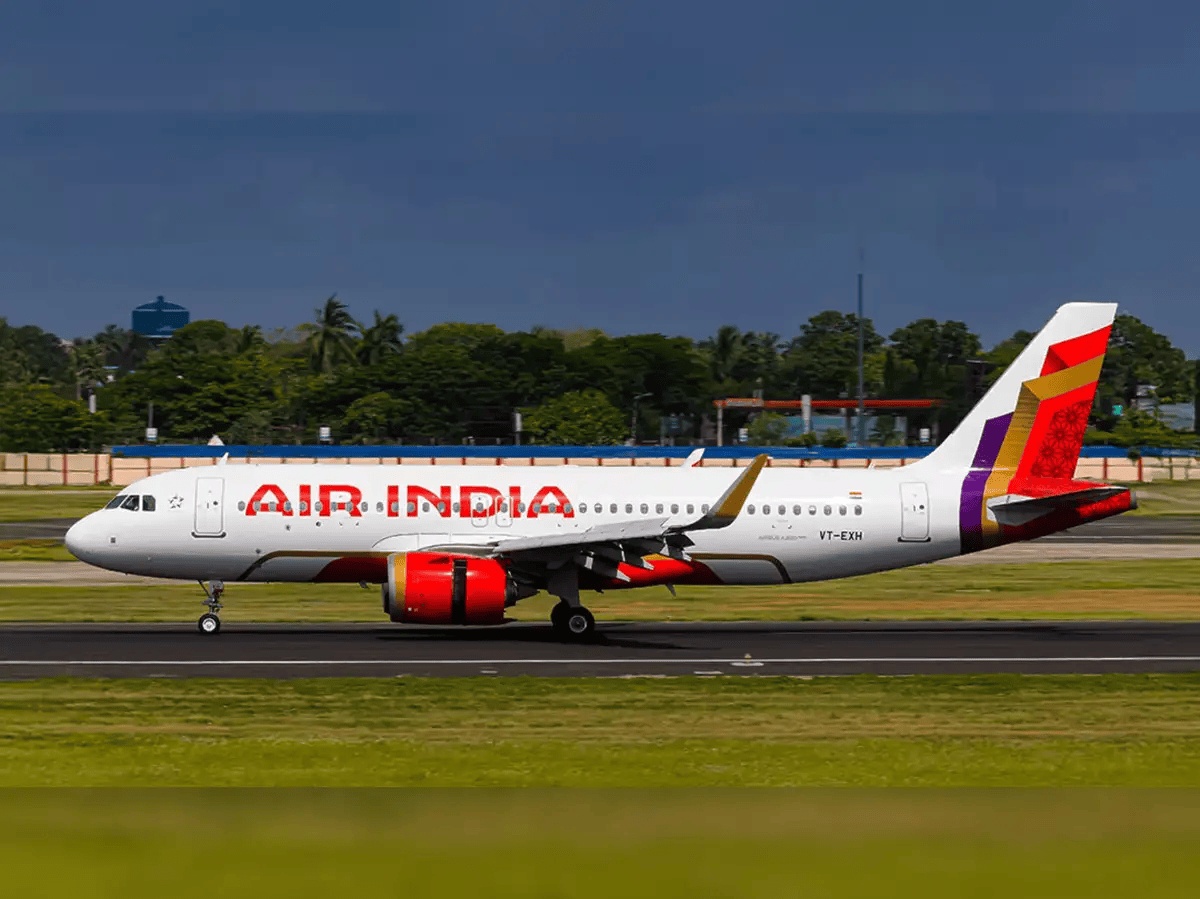
Air India bookings have plunged by up to 20% following the Ahmedabad crash on June 12, forcing the airline to slash fares across both domestic and international routes. In the aftermath of the catastrophic Air India flight AI-171 crash in Ahmedabad that claimed over 270 lives, passenger confidence in the national carrier has visibly eroded.
Travel agencies and aviation insiders confirm a substantial decline in bookings and an uptick in cancellations, signalling a temporary setback for the Tata Group-owned airline amid heightened public scrutiny. According to estimates from leading industry bodies, international bookings on Air India have dropped by 18%–22%, while domestic ticketing has contracted by 10%–12%. Meanwhile, fare structures have responded with equal urgency, witnessing price cuts ranging from 8% to 15%, particularly on routes where Air India competes with budget airlines.
This immediate slump in demand is not unprecedented. Similar demand disruptions have occurred historically when aviation safety incidents trigger widespread anxiety, particularly among frequent flyers and corporate clients. Analysts say the current phase is shaped more by sentiment than systemic evidence. The tragic accident on June 12 involved a Boeing 787 Dreamliner that crashed shortly after take-off, colliding with a residential block on the outskirts of Ahmedabad. All but one of the 242 people on board perished, making it one of the worst aviation disasters in recent Indian history. In the immediate aftermath, social media was flooded with personal accounts, videos, and safety concerns, fuelling fears among potential travellers.
Despite the devastating optics, the Directorate General of Civil Aviation (DGCA) has maintained that no blanket technical fault has been identified in the airline’s fleet. The aviation regulator reiterated that Air India remains in compliance with international safety protocols and that investigations are ongoing to determine the cause of the crash. Air India, in a move to stabilise demand, has introduced promotional pricing and yield correction strategies. On the domestic front, fares are down by up to 12%—particularly on busy metro corridors such as Delhi-Mumbai, Chennai-Bengaluru, and Kolkata-Hyderabad. International sectors, including routes to Europe, Southeast Asia, and parts of the Gulf, have seen ticket prices fall by 10%–15%.
This dual-pronged strategy of reassurance and price adjustment is aimed at rebuilding trust while cushioning the financial impact of widespread cancellations. Travel agencies also report that corporate bookings—especially among premium-class flyers—are shifting to rival airlines like Vistara, IndiGo, and Emirates. Travel planners say it will take a carefully managed PR and safety assurance campaign for Air India to restore customer confidence. Industry leaders have urged passengers to withhold judgment until conclusive findings emerge from the ongoing investigations, pointing out that aviation remains statistically one of the safest modes of transport. From a macro perspective, this crisis underscores the fragility of brand reputation in the aviation sector.
A single incident—even with no confirmed systemic issue—can cause deep ripples across bookings, operational planning, and investor sentiment. With Air India being central to the government’s long-term vision for a global aviation hub and Tata Group’s airline consolidation roadmap, this dip in trust comes at a critical juncture. Market watchers suggest that if the demand decline persists beyond July, Air India may need to recalibrate route planning, capacity deployment, and promotional activity. For now, the airline appears focused on weathering the turbulence with operational integrity and customer assurance. While passenger grief and fear remain very real, India’s aviation ecosystem—rooted in strong safety norms and global cooperation—is expected to recover steadily. Air India’s ability to navigate this turbulent phase will determine not only its short-term bookings but its long-term brand equity.
Also Read :Kolhapur Airport Demolishes 83 Illegal Buildings in Funnel Zone
