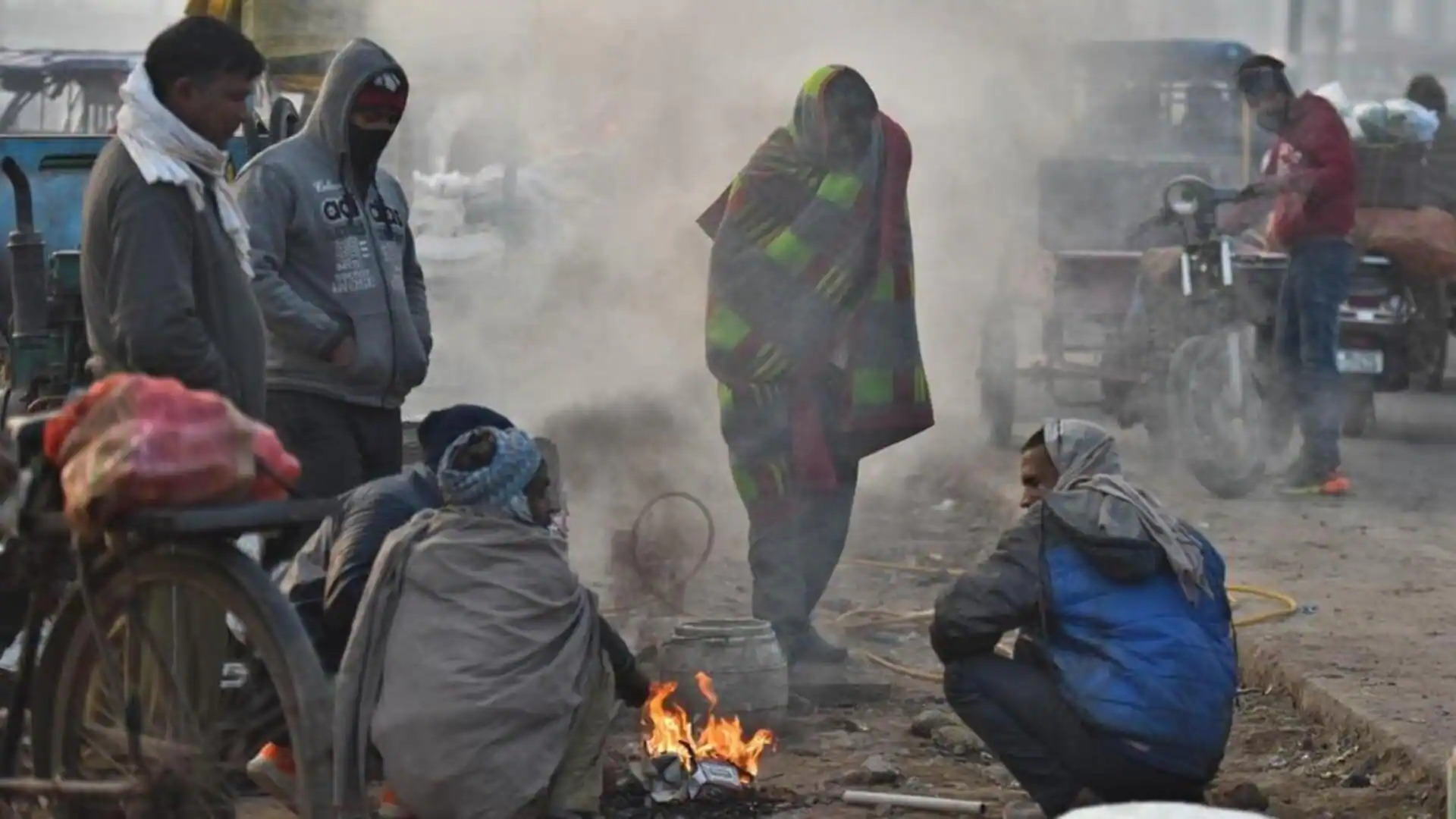
Ahmedabad experienced a sharper-than-expected chill midweek as overnight temperatures dipped below recent levels, underscoring how short-term climate variability is increasingly shaping daily life and urban planning priorities in India’s fast-growing cities. While the drop remained within long-term averages, the pattern of fluctuating day and night temperatures is drawing attention to the city’s preparedness for changing weather behaviour. Meteorological data showed the city’s minimum temperature slipping to just under 13°C, accompanied by a daytime high that stayed noticeably below the seasonal norm. Northeasterly and easterly winds intensified the cold perception, particularly during early morning and evening hours, affecting outdoor workers, informal vendors, and commuters dependent on non-motorised transport.
Urban planners note that such temperature volatility, even during traditionally mild winters, has implications beyond personal comfort. Lower daytime temperatures can temporarily reduce energy demand for cooling, but sudden swings often push households to rely on inefficient heating appliances, increasing electricity load and emissions. For a city working to balance growth with sustainability, these shifts matter. Across Gujarat, the temperature gradient was more pronounced. Coastal and semi-arid districts recorded significantly lower night-time readings, with some locations falling close to single digits. This variation highlights the diverse microclimates that urbanising regions must account for when designing housing, transport hubs, and public spaces.
According to meteorological forecasts, Ahmedabad winter temperatures are expected to rise modestly over the next two days before cooling again later in the week, followed by another gradual increase. Such oscillations are becoming more frequent, reflecting broader climatic instability rather than isolated weather events, say climate researchers tracking western India’s seasonal patterns. From a real estate and built environment perspective, these conditions reinforce the need for climate-responsive construction. Buildings designed with better insulation, cross-ventilation, and passive heating can reduce energy consumption while improving indoor comfort. Experts point out that mid-income and affordable housing segments are particularly vulnerable, as residents often lack access to adaptive infrastructure.
Municipal authorities have been incrementally integrating climate resilience into planning frameworks, from updated building bylaws to expanded urban greening initiatives that moderate temperature extremes. However, specialists argue that weather data must play a larger role in infrastructure investment decisions, especially as Ahmedabad continues to densify and expand its transport and industrial corridors. As Ahmedabad winter temperatures continue to fluctuate, the immediate impact may feel routine. Yet, the broader signal is clear: cities must plan not just for averages, but for variability. How effectively Ahmedabad adapts to these subtle but persistent changes will influence public health outcomes, energy efficiency, and overall urban liveability in the years ahead.