Ahmedabad Boosts Public Health Outreach Infrastructure
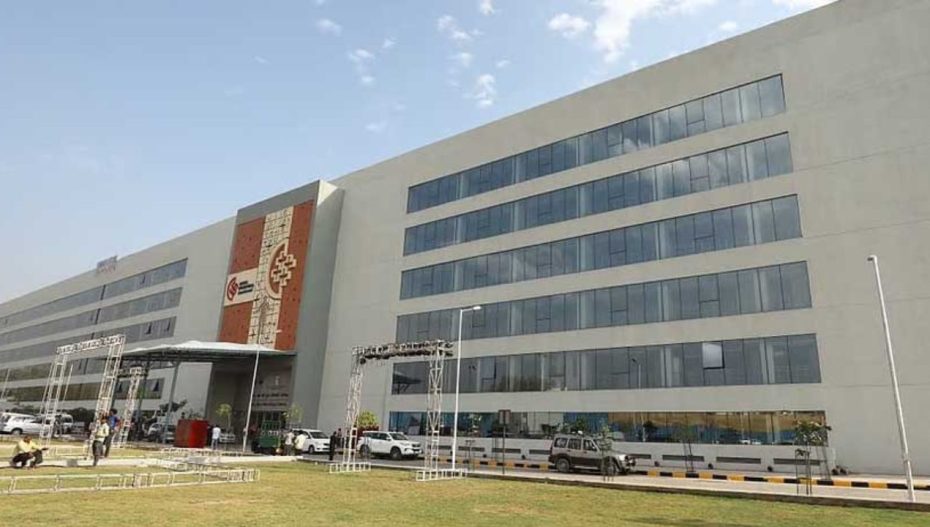
Ahmedabad on Monday added a new Mobile Blood Collection Van to its public health fleet, signalling a shift towards decentralised healthcare access in one of India’s fastest-growing urban regions. The vehicle was inaugurated at Sola Civil Hospital before the Union Home Minister travelled to Gandhinagar for a national-level cooperation ministers’ meeting. The initiative strengthens last-mile medical outreach while highlighting how mobile infrastructure can improve emergency preparedness in expanding cities.
The Mobile Blood Collection Van is designed to reach residential clusters, workplaces and institutional campuses, reducing dependence on hospital-based donations. Public health officials say the approach is particularly relevant for cities like Ahmedabad, where peripheral growth and traffic congestion often discourage voluntary donors from visiting fixed centres. Urban planners note that mobile medical units are becoming an integral layer of civic infrastructure, especially in metropolitan regions balancing rapid real estate expansion with equitable service delivery. As housing spreads towards the western and northern fringes, decentralised health assets can shorten response times and stabilise blood supply chains during peak demand or disasters. The launch of the Mobile Blood Collection Van also comes amid broader discussions on resilient urban systems.
Healthcare mobility reduces travel emissions and eases congestion around tertiary hospitals, aligning with wider sustainability goals. In climate-stressed regions, flexible medical logistics can support disaster response and heat-related emergencies, areas where Gujarat has invested significantly in recent years. Following the Ahmedabad event, the Union Home Minister proceeded to Gandhinagar for a meeting of Cooperation Ministers from states and Union Territories under the theme “Cooperation to Prosperity”. Policy observers say the linkage between cooperative institutions and service delivery models such as blood banks and hospital networks could open pathways for community-backed health financing and resource pooling. Meanwhile, preparations are intensifying in Agartala ahead of the upcoming Regional Rajbhasha Sammelan, expected to draw over 3,000 delegates. State authorities are using the platform to promote locally produced handicrafts and heritage-based design through a commemorative memento developed by artisans at the Bamboo & Cane Development Institute.
The souvenir features representations of the Tripura Sundari Temple at Matabari, the rock carvings of Chabimura and the Unakoti archaeological site, three landmarks that reflect the state’s spiritual, artistic and ecological legacy. Officials describe the initiative as part of a broader “Vocal for Local” push to embed economic opportunity within cultural preservation. For urban development experts, the parallel developments of mobile healthcare in Ahmedabad and cultural enterprise promotion in Tripura illustrate how infrastructure and identity are increasingly intertwined in India’s growth narrative. As cities compete for investment and talent, public health reliability and local economic resilience are emerging as foundational metrics of sustainable urbanisation. With healthcare mobility now entering mainstream policy conversations, the performance and scalability of the Mobile Blood Collection Van model could shape how other Indian cities design people-first, low-impact health systems in the years ahead.