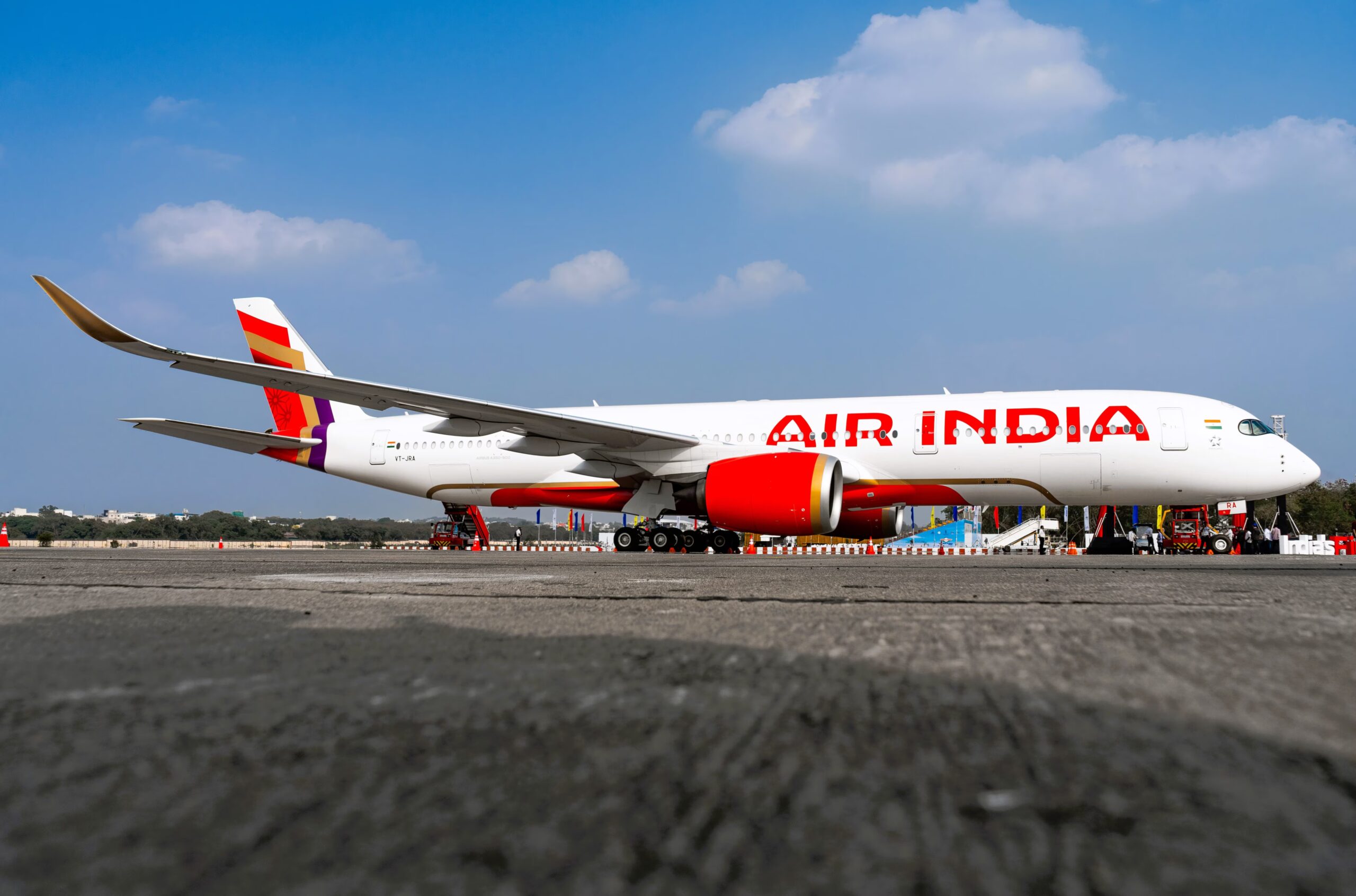
Ahmedabad’s primary aviation hub will see a major operational reshuffle at the start of the summer schedule, with Air India set to relocate all its services to a single terminal. From March 29, 2026, every domestic and international flight operated by the national carrier will function from Terminal 2 at Sardar Vallabhbhai Patel International Airport, marking a significant consolidation at Ahmedabad Airport.
The shift comes as authorities undertake expansion and refurbishment works at Terminal 1, a move aimed at modernising ageing infrastructure and enhancing passenger handling capacity. For travellers, the immediate implication is a change in departure and arrival points. For the airport ecosystem, however, the decision signals a broader recalibration of space usage as passenger traffic continues to grow. Airport officials indicate that concentrating Air India operations at Terminal 2 will streamline logistics during the redevelopment phase. Terminal 2 already handles the majority of international traffic and has seen upgrades in recent years to improve check-in areas, security processing and passenger amenities. Industry observers say the consolidation reduces operational duplication while allowing construction works at Terminal 1 to proceed with fewer disruptions.
The decision also reflects evolving traffic patterns at Ahmedabad Airport, which has witnessed steady growth in both domestic and outbound international travel over the past decade. As air connectivity expands in western India, terminals are increasingly being planned not just as transit spaces but as integrated mobility hubs that connect to city transport systems and future multimodal infrastructure. Other carriers have progressively moved services to Terminal 2 over the past year, creating a more unified operational model. Aviation analysts note that such consolidation can lower ground handling complexities and optimise gate allocation, particularly during peak travel seasons. It can also reduce unnecessary internal vehicle movements on the airside, contributing incrementally to lower emissions and improved operational efficiency.
From an urban development perspective, the reorganisation underscores the need for airport infrastructure to keep pace with metropolitan expansion. Ahmedabad’s growth as a manufacturing, services and financial centre has amplified demand for reliable air connectivity. Modern terminals with improved energy performance and passenger flow management are increasingly seen as part of climate-responsive infrastructure planning. Passengers scheduled to fly on or after March 29 have been advised by the airline to verify terminal details in advance. Digital notifications are being rolled out to minimise confusion during the transition period.With redevelopment works at Terminal 1 underway, the coming months will test how effectively Ahmedabad Airport manages rising traffic while upgrading infrastructure. The consolidation of Air India operations may serve as a template for phased expansion in other fast-growing Indian cities balancing capacity enhancement with operational continuity.