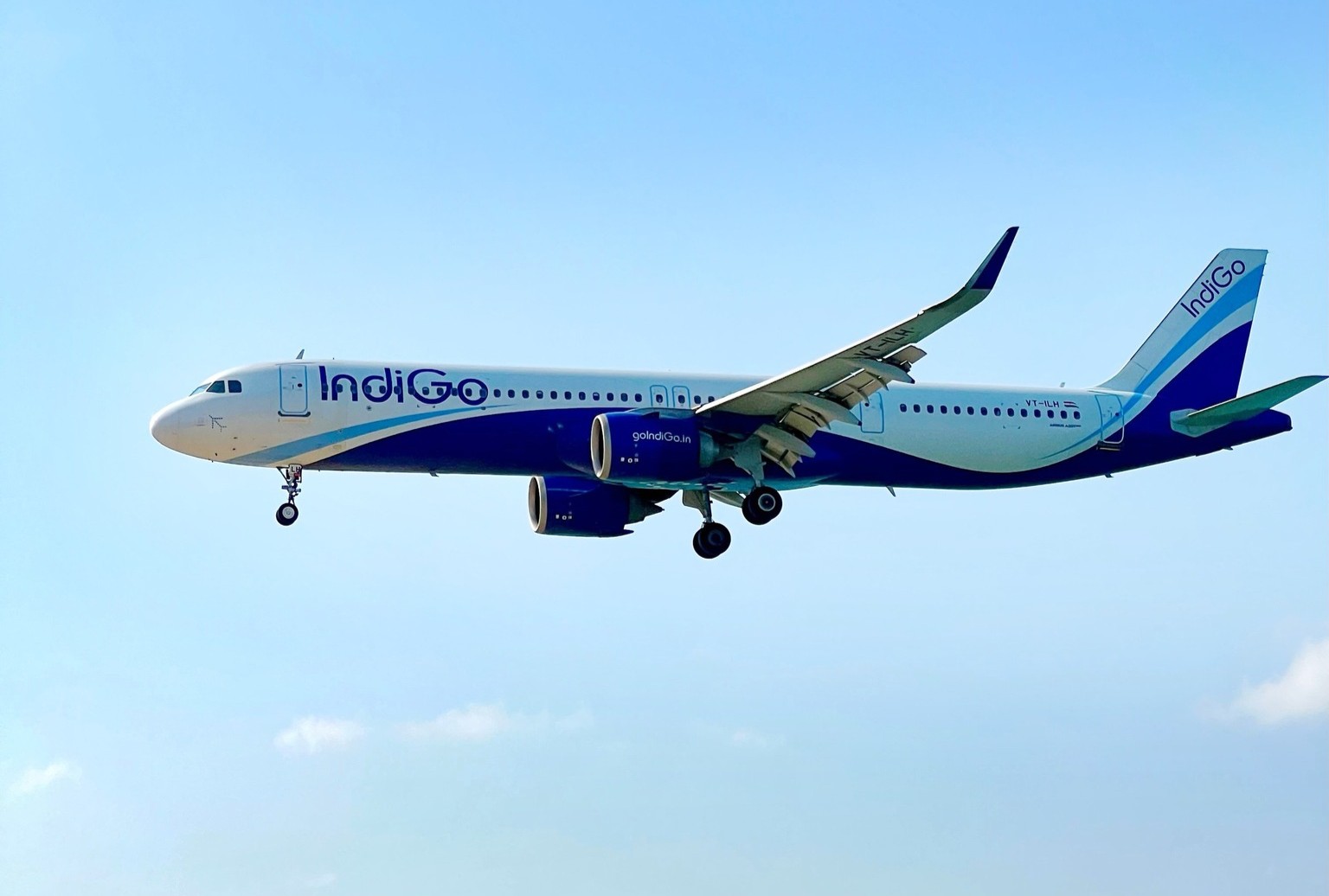
Severe weather conditions across north India disrupted regional air connectivity on Friday, exposing persistent vulnerabilities in aviation infrastructure and passenger handling systems during climate-linked weather events. An Ahmedabad–Chandigarh commercial flight was diverted mid-journey as heavy rainfall, strong surface winds, and reduced visibility rendered landing operations unsafe at Chandigarh International Airport, underscoring the growing operational risks facing Indian cities amid intensifying weather volatility.
Airport officials confirmed that persistent adverse conditions through the day led to cascading delays, diversions, and cancellations at Chandigarh, a key regional aviation hub serving Punjab, Haryana, and Himachal Pradesh. Flight movement data indicated prolonged congestion as aircraft either held in the air or rerouted to alternate airports, placing strain on air traffic coordination and terminal capacity across northern India.The diverted Ahmedabad-bound aircraft landed at Amritsar as a precautionary measure. However, operational limitations at the alternate airport resulted in passengers remaining onboard for an extended period before onward arrangements could be clarified. Industry experts note that while diversions are standard safety protocol, post-diversion ground handling often reveals systemic gaps in passenger communication, terminal readiness, and inter-agency coordination especially during weather-driven disruptions.
Aviation analysts say the incident reflects a broader challenge facing India’s fast-growing urban aviation network: infrastructure expansion has not kept pace with climate resilience planning. As extreme rainfall events become more frequent, airports designed primarily for volume growth are increasingly tested by weather-induced stress, affecting not just airlines but also regional economies dependent on reliable air links. From an urban development perspective, such disruptions carry wider implications. Delays and uncertainty impact business travel, logistics chains, and labour mobility, particularly in cities positioning themselves as investment and services hubs. For passengers, prolonged confinement and limited information heighten safety and well-being concerns, reinforcing the need for people-first operational protocols during emergencies.
Senior aviation officials acknowledge that weather unpredictability is becoming a structural factor rather than an exception. Industry discussions are now increasingly focused on improving diversion readiness, upgrading drainage and wind-shear detection systems, and integrating climate risk modelling into airport master planning. Urban planners argue that airports must be treated as critical climate-resilient infrastructure, on par with power grids and transport corridors. As India accelerates airport modernisation and regional connectivity, experts stress that future investments must prioritise adaptive design, real-time passenger communication systems, and coordinated emergency response frameworks. With climate variability set to intensify, the resilience of urban aviation networks will play a decisive role in maintaining economic continuity and public trust in city infrastructure.