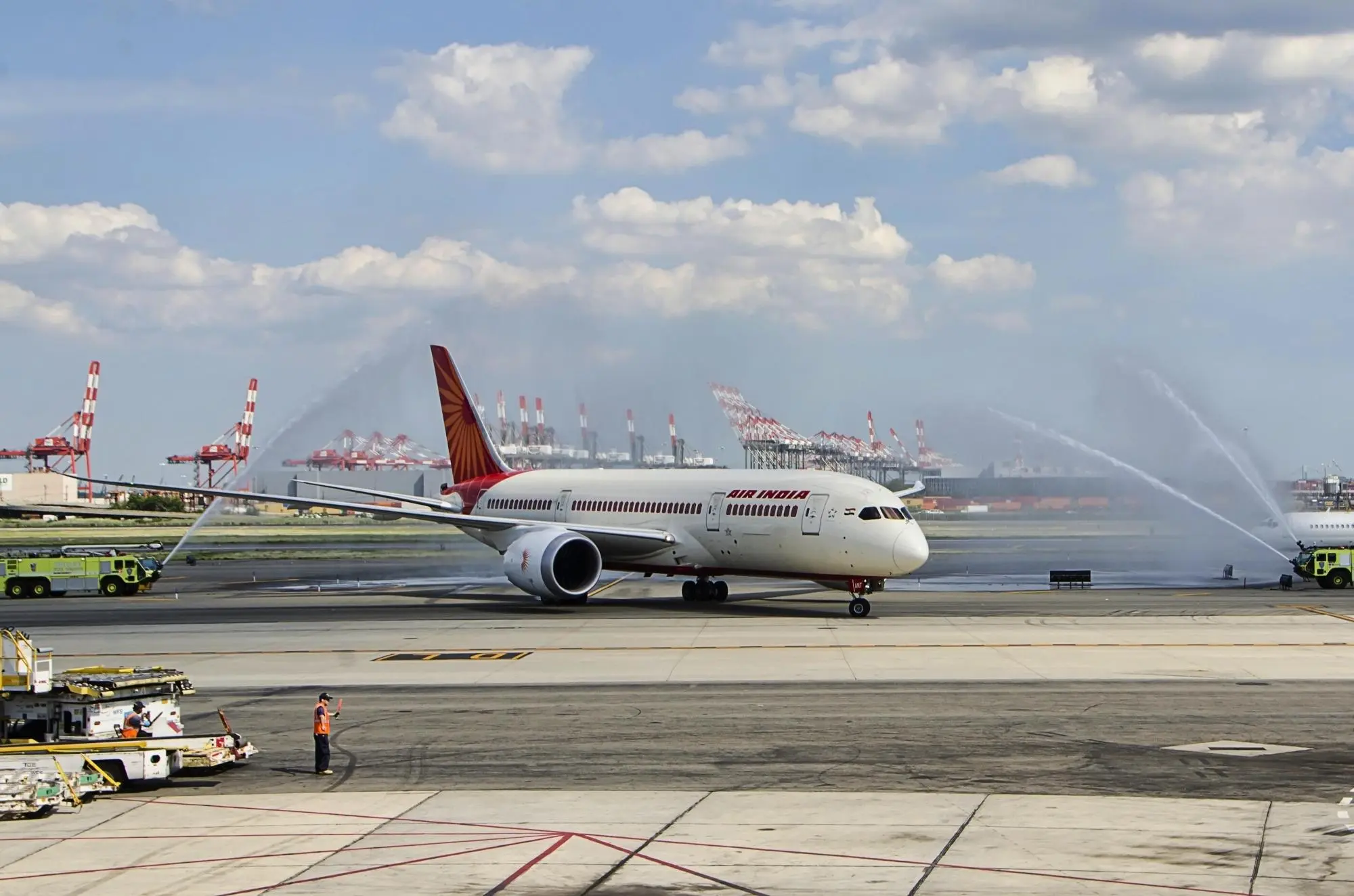
Ahmedabad is witnessing heightened regulatory oversight after Air India’s Boeing 787 fleet reported multiple technical issues since July, following a June 2025 incident in the city. While no casualties occurred during the initial event, the episode prompted urgent safety reviews, signalling the Indian aviation sector’s commitment to operational integrity and passenger security.
According to government sources, three separate technical glitches were detected across Air India’s Boeing 787s in recent months. Each issue was promptly addressed by the airline’s maintenance teams, aligning with directives issued by the Directorate General of Civil Aviation (DGCA). Officials highlighted that enhanced inspections and monitoring were not only reactive but designed to prevent emerging risks from affecting flights.A senior DGCA representative explained that oversight measures now include continuous fleet monitoring, night inspections, and surprise audits at key hubs, including Ahmedabad. “The intent is to ensure that both aircraft and operational crews maintain the highest standards of safety,” the official noted. This proactive approach underscores the DGCA’s dual role of regulation and real-time enforcement, aimed at minimising potential disruptions or hazards.From an operational perspective, technical issues in modern aircraft are typically identified either through automated cockpit alerts or manual inspections by flight crews. Once logged, certified Aircraft Maintenance Engineers evaluate and rectify the faults, following manufacturer guidelines. After repairs, each plane undergoes rigorous testing before returning to service. Experts suggest that such procedures are standard across global carriers, though regulatory reinforcement in India has intensified post-incident.
Industry analysts say these measures have broader implications for aviation reliability and urban mobility. Ahmedabad’s airport, serving as a critical transit point, benefits directly from such enhanced scrutiny, ensuring that passengers experience safer and more predictable air travel. “It’s not just about compliance; it’s about fostering confidence in India’s growing aviation network,” a civil aviation analyst commented.Air India’s swift response, coupled with DGCA surveillance, illustrates a model of integrated risk management in aviation. Beyond immediate safety, the measures contribute indirectly to sustainable urban infrastructure by reducing potential disruptions in air travel and supporting city connectivity.
As the aviation sector expands, regulatory vigilance will remain central to both operational excellence and passenger confidence. Ahmedabad’s experience demonstrates how structured oversight and prompt corrective actions can reinforce trust while aligning with broader goals of safe, resilient, and inclusive urban transport networks.
Ahmedabad Air India Boeing 787 Faces Three Technical Glitches Since June Incident