Agartala Railway Stations Commissioned For Tripuras Electric Train Launch
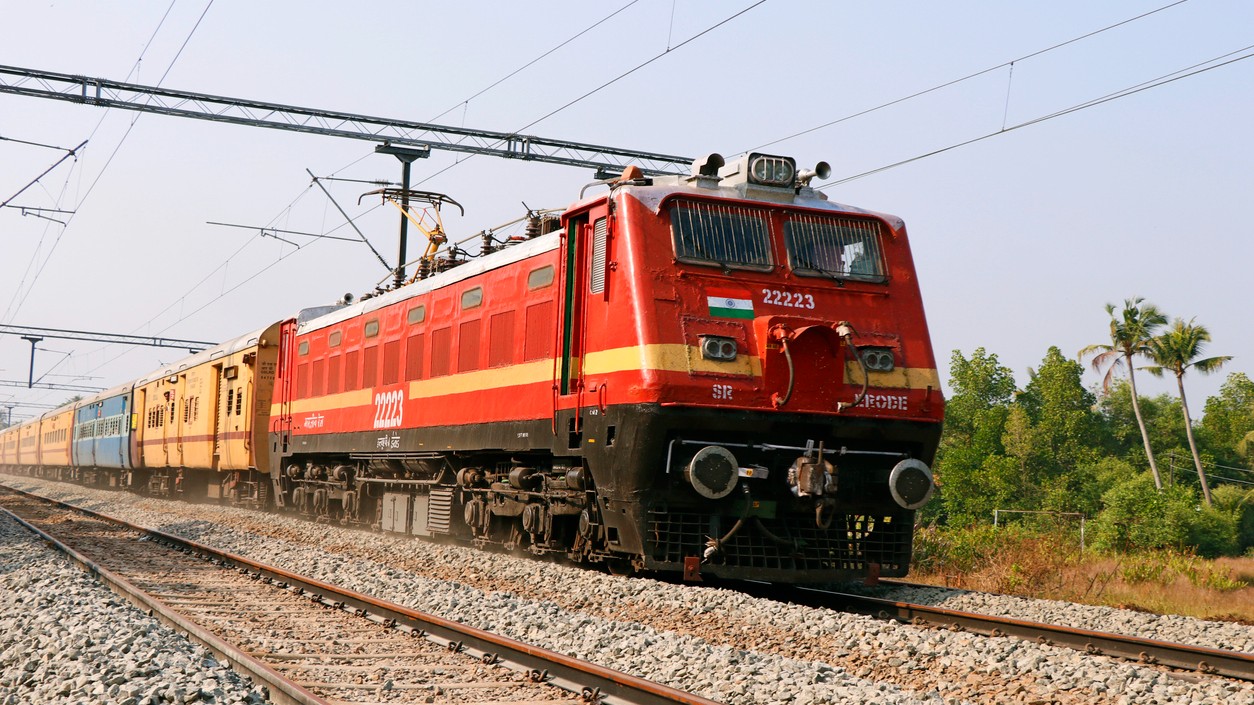
Tripura’s rail network is on the cusp of a major transformation with the commissioning of two crucial traction sub-stations in Teliamura and Udaipur, marking a historic shift towards sustainable, electric mobility. This strategic move by the Northeastern Frontier Railway is set to replace conventional diesel-powered trains with cleaner electric alternatives, aligning the state’s transport infrastructure with a zero-net-carbon future. The development is not merely a technical upgrade; it is a profound step towards fostering an eco-friendly, equitable, and economically vibrant region.
The commissioning of these sub-stations is a pivotal engineering achievement, providing the necessary high-voltage power to a network previously reliant on fossil fuels. This transition is expected to deliver a cascade of benefits, from significant reductions in operational costs for the railways to a substantial curb on carbon emissions. Experts note that electric locomotives are far more energy-efficient than their diesel counterparts, converting up to 90% of their energy into motion compared to just 30% for diesel engines. This shift will not only make rail travel more economical and efficient but also contribute directly to improving air quality and public health across the state.
Beyond the clear environmental advantages, the move to electric trains is poised to have a transformative social impact. The new, quieter, and more powerful trains will improve the commuting experience for thousands of daily passengers, enhancing convenience and reliability. This improved mobility is a cornerstone of an equitable city, enabling better access to jobs, education, and healthcare for all citizens, including women and other marginalised communities who rely heavily on public transport. A robust, gender-neutral transport system is essential for social inclusion and economic empowerment, and this electrification project is a significant step in that direction.
Furthermore, the integration of Tripura’s rail network into the national electrified grid positions the state as a key player in the country’s broader sustainable infrastructure agenda. It strengthens regional connectivity and creates new avenues for commerce and tourism. The enhanced power stability provided by the new sub-stations, as confirmed by state electricity officials, extends beyond the rail network to benefit local communities, serving as a dual-purpose investment in both transport and energy infrastructure. This holistic approach ensures that the project’s benefits are widely distributed, cementing its role as a catalyst for comprehensive, long-term development.
In essence, the electrification of Tripura’s rail network is a powerful statement of the state’s commitment to a progressive and sustainable future. It is a testament to how modern infrastructure projects can be designed to serve not just economic goals but also critical social and environmental objectives. The successful transition from diesel to electric rail will stand as a model for other regions, demonstrating that a cleaner, more efficient, and equitable transport system is not a distant vision but an achievable reality.