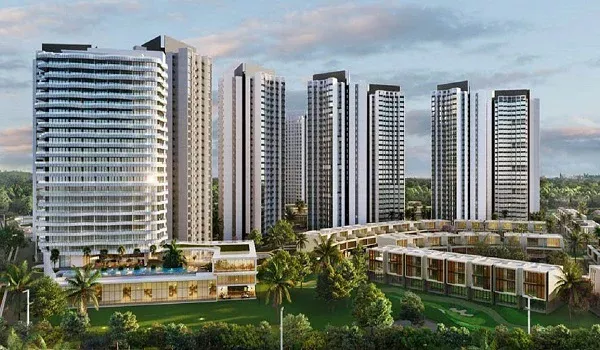
Aditya Birla Real Estate Drives Mumbai Redevelopment Project
A fresh Mumbai redevelopment project led by Aditya Birla Real Estate Ltd is set to transform a land parcel in the city’s dense urban fabric, signalling continued momentum in the redevelopment-driven growth model reshaping India’s financial capital. The move underscores how legacy land assets in Mumbai are increasingly being unlocked to address housing demand while upgrading ageing infrastructure.
The project, located within the Mumbai Metropolitan Region (MMR), is expected to replace older built structures with a modern mixed-use development, combining residential and potentially commercial components. Industry observers note that redevelopment remains one of the few scalable pathways for developers to access land in Mumbai, where greenfield opportunities are limited and land prices remain among the highest in the country. A Mumbai redevelopment project of this nature typically involves rehabilitating existing occupants, upgrading civic amenities, and optimising land use through higher permissible floor space index (FSI). Urban planners say such projects can play a critical role in improving liveability by replacing structurally weak buildings, enhancing safety, and integrating better infrastructure such as waste management systems, energy-efficient designs, and improved access to public transport.
From a market perspective, redevelopment projects have gained traction amid steady housing demand in Mumbai, particularly in well-connected neighbourhoods. Developers are increasingly focusing on these projects to build premium inventory while leveraging existing social infrastructure such as schools, healthcare facilities, and transit networks. This reduces the need for large-scale greenfield expansion, which often places additional pressure on peri-urban ecosystems. Experts highlight that redevelopment-led supply could also help moderate price volatility in certain micro-markets by introducing newer housing stock. At the same time, execution risks remain, including regulatory approvals, tenant negotiations, and project timelines, which can extend significantly compared to conventional developments. There is also a broader sustainability dimension. Redevelopment allows cities like Mumbai to transition towards more resource-efficient urban forms by incorporating green building materials, improved water management systems, and energy-efficient layouts.
However, urban policy specialists caution that the long-term impact depends on how effectively these projects align with climate resilience goals, especially in a city vulnerable to flooding and heat stress. The entry of large, well-capitalised developers into redevelopment is seen as a stabilising factor for the sector. Their ability to manage complex stakeholder arrangements and adhere to regulatory frameworks could help bring greater transparency and execution discipline. As Mumbai continues to grapple with land scarcity and ageing housing stock, redevelopment is likely to remain central to its urban transformation strategy. The effectiveness of such projects will ultimately depend on balancing commercial viability with inclusive housing, infrastructure upgrades, and environmental resilience.