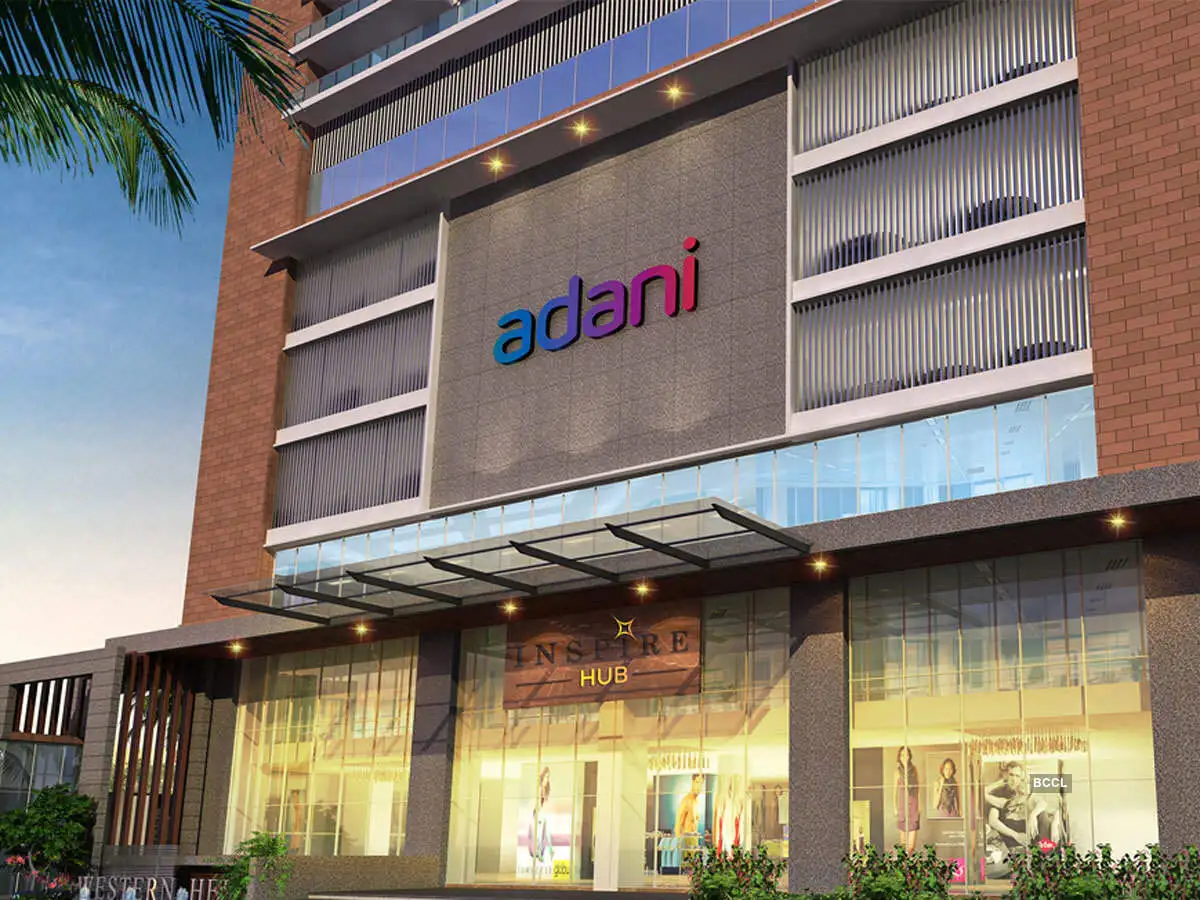
Adani Realty is set to embark on its largest urban development project yet, with a massive integrated township spanning over 1,000 acres in Navi Mumbai’s Panvel region.
The proposed township, strategically situated near the upcoming Navi Mumbai International Airport, is being envisioned as a transformative anchor for the Mumbai Metropolitan Region (MMR), combining residential, commercial, and institutional infrastructure within a sustainable, future-ready framework. According to individuals familiar with the development, the township is expected to unfold over the next decade, dwarfing Adani’s earlier 600-acre real estate projects, including the Dharavi redevelopment initiative in Mumbai and the Shantigram township in Ahmedabad. While formal announcements are awaited, industry experts view this as a landmark intervention in regional urbanisation, marking Adani’s intent to not just build real estate but shape new-age cities from the ground up.
The upcoming township is expected to echo the scale and philosophy of Shantigram, which was launched in 2010 and remains the largest real estate development in Ahmedabad, involving an estimated ₹5,000 crore investment. However, this new project in Navi Mumbai will not only be larger but will benefit from better economic synergies, thanks to its adjacency to a major greenfield international airport. The Navi Mumbai International Airport, developed by the Adani Group, is nearing operational readiness and is poised to serve as a key infrastructure pivot for the region. The combination of airport-led urban development and large-scale township planning positions Panvel as the next major urban corridor in western India.
For Navi Mumbai, a city long envisioned as a decentralised, eco-sensitive extension of Mumbai, this development offers a double-edged opportunity. On the one hand, such a project can bring critical mass to infrastructure investments, create employment, and expand affordable housing capacity. On the other, it places a considerable onus on regional planners to enforce sustainable building codes, equitable land-use planning, and environmentally responsible construction methods. Given that the Mumbai Metropolitan Region is already grappling with unplanned urban sprawl, carbon emissions, and pressure on natural ecosystems, the scale of Adani’s upcoming township demands an approach rooted in low-carbon infrastructure, water-sensitive urban design, and inclusive mobility networks. The potential to build India’s most sustainable urban ecosystem lies within reach if planned holistically.
Urban planning experts and climate-conscious policymakers are closely watching whether the project will adopt green building certifications, decentralised energy solutions, and gender-inclusive design elements. Its proximity to natural resources like wetlands, mangroves, and river systems also makes ecological sensitivity non-negotiable. As Navi Mumbai redefines itself around a global airport and mega-townships, it will become a litmus test for India’s urban future—whether new developments can be engines of equity, ecology, and economy all at once. If implemented with foresight, this township could serve as a blueprint for climate-resilient and human-centric urbanisation across India.
Adani Realty Plans Mega Township Near Navi Mumbai Airport